
Omar Yaghi Startup Atoco Harvests Water Using Data Centre Waste Heat
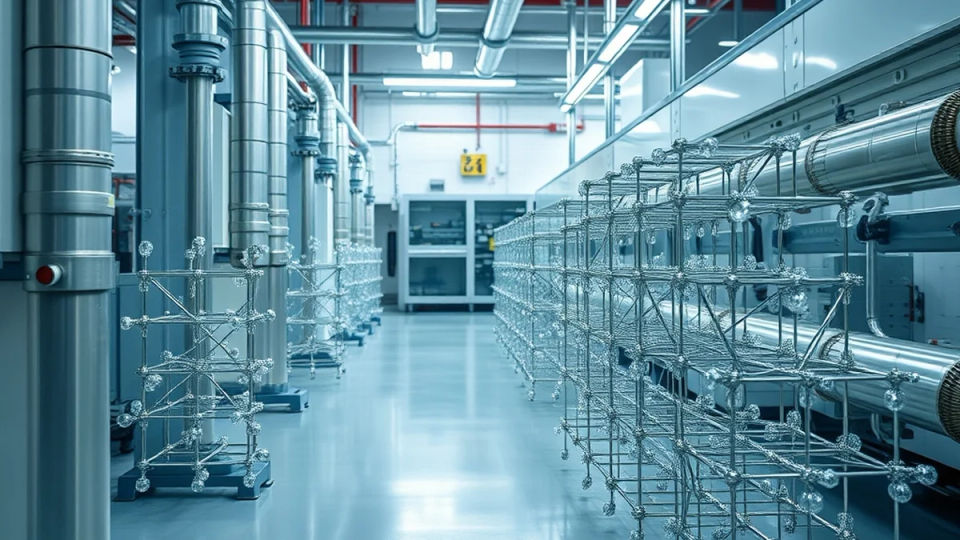
Nobel Prize-winning chemist Omar Yaghi has founded Atoco, a technology venture that captures atmospheric moisture using server thermal energy. The California-based startup is commercializing its filtration systems at a time when the rapid growth of AI infrastructure escalates data centre power and cooling burdens.
Metal-Organic Frameworks for Atmospheric Extraction
According to a report by WIRED, Atoco demonstrated its atmospheric water extraction machinery during operational trials at its technical facility in Irvine, California. The company deploys specialized porous materials known as metal-organic frameworks that capture water vapor from ambient air even in arid, low-humidity environments.
Low-Grade Waste Heat Recovery Mechanisms
The extraction machinery applies thermal energy to release trapped atmospheric moisture, collecting the released vapor and condensing it into clean liquid water. Commercial data centres generate massive quantities of thermal waste as dense compute clusters process intensive algorithmic workloads and artificial intelligence training models.
Resource Sustainability and Water-Stressed Applications
Atoco's recovery methodology enables server facilities to reclaim potable water as a useful resource while substantially diminishing the overall energy required for cooling towers. Beyond computing facilities, Atoco identifies broad deployment potential across heavy industrial plants and municipal communities confronting acute clean water shortages.
Water harvesting is not free cooling
Metal-organic frameworks are porous materials with large internal surface area; some can adsorb moisture from air and release it when warmed. Atoco's concept is to use heat otherwise discarded by data-centre equipment as part of a water-capture cycle. That is potentially useful in water-scarce regions, but the net environmental benefit depends on ambient humidity, the amount of usable waste heat, auxiliary electricity, maintenance and how much water is actually collected per unit of energy.
The system must also be integrated with a facility's existing thermal-management system. Recovering heat for water production is not automatically equivalent to reducing cooling water consumption by the same volume. Potable-water claims require evidence of treatment and compliance with local drinking-water standards, not just condensation in a laboratory demonstration. Independent measurements from longer-running sites, daily output, energy balance, system cost and water quality, will be more persuasive than a single technology showcase. Deployment at scale remains a separate commercial and engineering challenge.