
Edited by Editor-in-Chief, The Indus Pulse 25 Sept 2026, 04:52 AM 2 min readtech
Meta Unveils Muse Charm AI Device Designed as Wearable Fashion Accessory
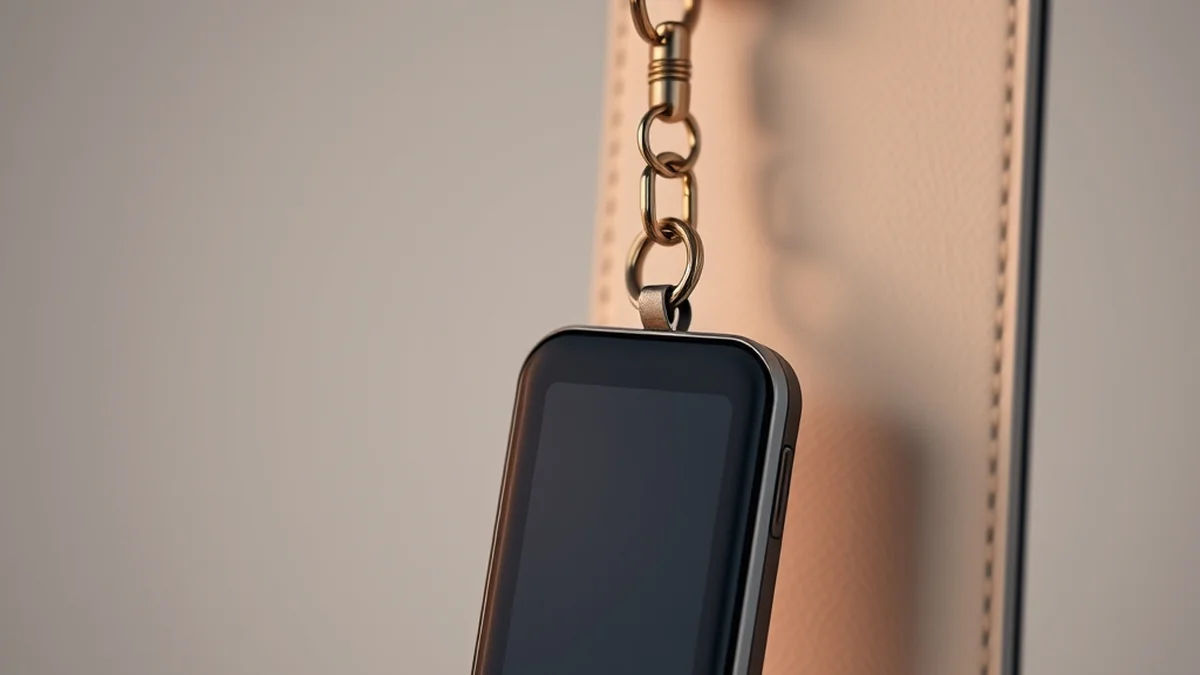
Meta Platforms Inc. has introduced the Muse Charm, a palm-sized, dedicated hardware device designed to provide mobile access to the company's Muse artificial intelligence assistant. Unveiled by CEO Mark Zuckerberg, the device represents a strategic shift toward integrating AI into wearable fashion, developed by Meta's new design lab under the leadership of former Apple interface design chief Alan Dye and the company's Superintelligence AI group.
Design and Market Positioning
The Muse Charm adopts a compact, dangling form factor that aligns with current Gen Z fashion trends, specifically the popularity of decorative bag charms. By positioning the device as a customizable accessory rather than a traditional piece of technology, Meta is attempting to tap into a market segment that has recently embraced retro-inspired tech and personalized, wearable objects. The device allows users to interact with a customizable AI avatar, effectively serving as a digital reflection of the user.
The device features a USB-C charging port and can play music and video, though it lacks support for phone or video calls. Regarding cost, an official price has not been set, but expectations suggest it may land in a range comparable to a smartwatch.
This design choice follows a broader industry trend where consumers are increasingly seeking physical, tactile technology to counter the perceived impersonality of algorithm-driven digital feeds. The Muse Charm's aesthetic has drawn comparisons to the Tamagotchi, though its functional inspiration is more closely linked to the growing trend of repurposing smartwatches as keychain or bag-mounted accessories.
Ecosystem Integration and Functionality
Beyond its hardware design, Meta has announced a significant integration with Spotify to enhance the device's utility. Users can employ conversational commands to manage music, podcasts, and audiobooks directly through the Muse AI. The integration supports complex tasks such as playlist creation based on specific criteria, including road-trip destinations or scheduled activities like exercise and focused work sessions.
the Muse AI can generate Personal Podcasts from a user's notes and daily briefings, which are then saved to their Spotify library. While Meta has indicated that it plans to monetize the Muse platform by taking a small fee from transactions, the company faces ongoing scrutiny regarding its privacy practices. Meta's history of regulatory penalties and data-handling concerns remains a significant factor in consumer reception, as the company attempts to establish itself as a primary provider of consumer-facing AI services.
The Indus Pulse is committed to accuracy and transparency.