
Edited by Editor-in-Chief, The Indus Pulse 17 Sept 2026, 08:59 PM 3 min readtech
Hyderabad and Emerging Hubs Drive India Data Centre Expansion
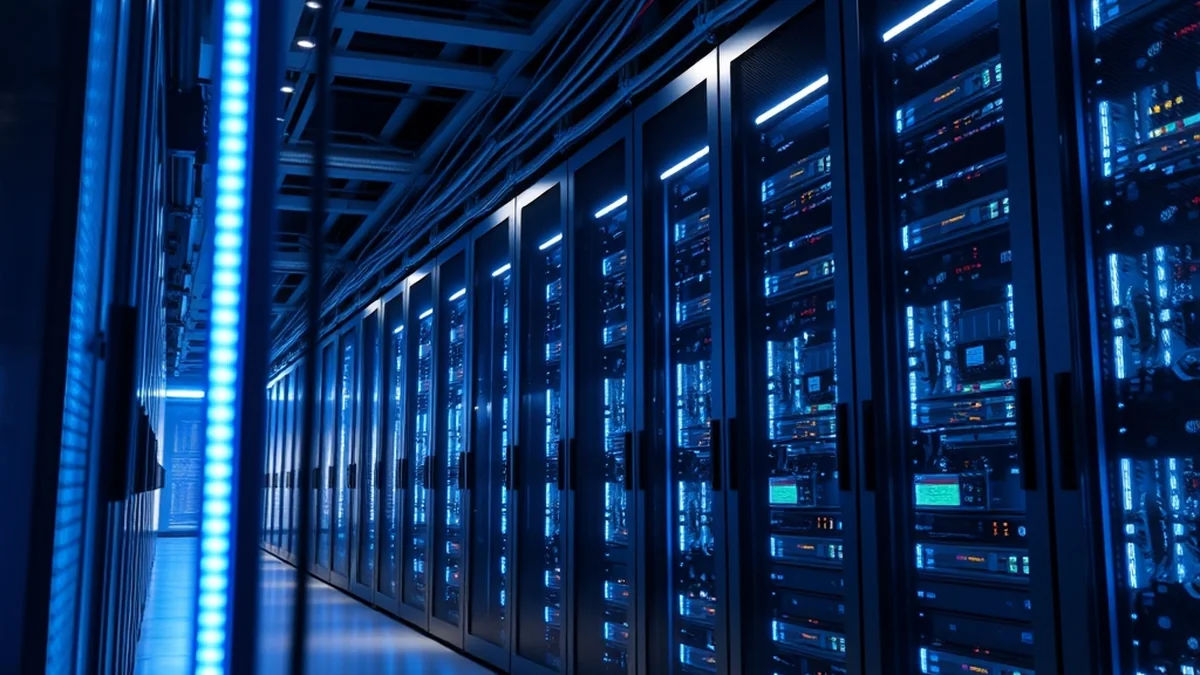
Hyderabad and emerging tier-two markets across India are projected to experience a nearly six-fold expansion in data centre capacity, reaching 1.1 gigawatts by the end of 2030, according to a report released by Cushman & Wakefield. The acceleration reflects a wider national shift driven by artificial intelligence workloads, cloud adoption, and strict data-localization requirements.
As established metropolitan centres like Chennai and Bengaluru face constraints on growth and market share adjustments, investments exceeding $250 billion from major technology firms and infrastructure conglomerates over the past twelve months have redirected development toward alternative regions. State-level policy frameworks and federal tax incentives, including a tax holiday for foreign cloud operators extending until 2047, have further stimulated regional capacity deployment.
Regional Expansion Across Dholera and Visakhapatnam
The real estate services report indicates that Hyderabad and secondary markets accounted for 178 megawatts, or 10 percent of India's operational data centre capacity as of June 30. By 2030, this share is expected to double to 20 percent of a projected 5.65-gigawatt national total, representing an annualized growth rate of 58 percent. Meanwhile, Chennai, which currently holds 215 megawatts or 12 percent of active capacity, is anticipated to see its operational footprint grow to 582 megawatts by the end of the decade at a slower annualized rate of 28 percent.
This capital rotation has catalyzed activity in newly emerging locations such as Dholera in Gujarat and Visakhapatnam in Andhra Pradesh. The report notes that these emerging regions collectively account for 232 megawatts of new capacity scheduled for deployment over the next four years. Visakhapatnam has emerged as a focal point for large-scale infrastructure announcements, including a 1-gigawatt facility planned by Google in partnership with the Adani group and Bharti Airtel, alongside a 500-megawatt project by Meta India in collaboration with Sify Technologies.
Market Drivers and Investor Ecosystem
Industry analysts point to structural advantages supporting the momentum in newer hubs. Kashyap Kompella, founder of RPA2AI Research, noted that Hyderabad currently maintains strong momentum due to the scale of upcoming capacity, large contiguous land parcels, prospective power availability, and heavy demand from hyperscalers and artificial intelligence companies. Vinish Bawa, partner at PwC, highlighted that the region benefits from a robust technology and enterprise demand base, competitive operating economics, and an expanding hyperscaler ecosystem.
State policies have historically provided foundational support for this regional dispersion. Telangana established a dedicated data centre policy in 2016, while broader national measures such as the Union government's February tax holiday for foreign cloud operators have lowered operational barriers. Despite Visakhapatnam retaining an emerging market classification, Google's planned $15 billion investment is expected to significantly accelerate its development timeline.
Infrastructure Bottlenecks and Ancillary Beneficiaries
Despite robust capital commitments, the rapid expansion faces critical physical constraints. Power infrastructure deficits, including shortages of transmission lines, substations, and transformers, continue to hinder the rollout of data facilities in newer regions and on the peripheries of established metropolitan clusters.
At the same time, the nationwide surge in data centre construction has provided a secondary economic stimulus to industrial manufacturing sectors. Electric generator manufacturers, including Cummins India, Kirloskar Oil Engines, and Sterling Green Power Solutions, have identified data centre deployment as a primary revenue driver amid escalating power reliability requirements for continuous operations.
The Indus Pulse is committed to accuracy and transparency.