
Delhi-NCR Activates GRAP Stage I as Air Quality Worsens to AQI 244
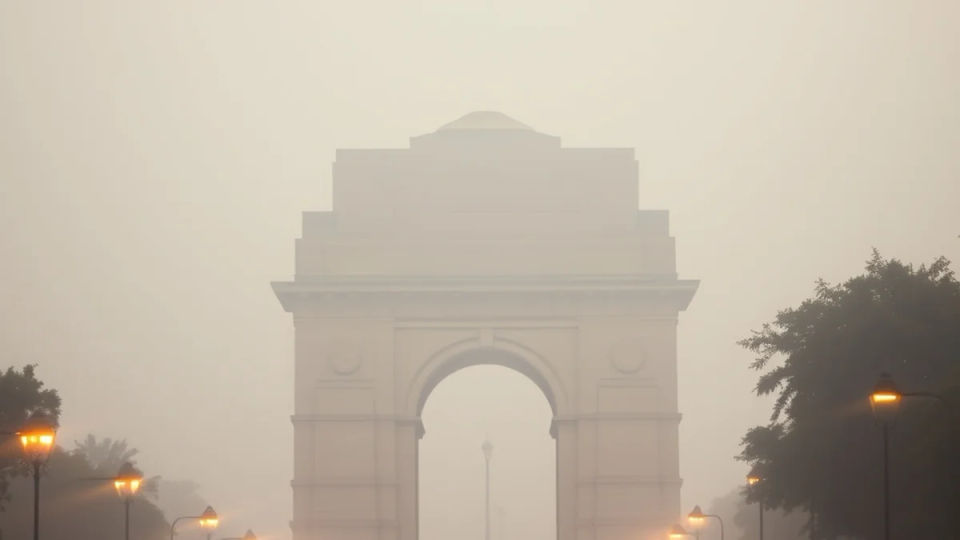
According to the Commission for Air Quality Management (CAQM) decision described in multiple dated reports on October 21, 2026, Stage I of the Graded Response Action Plan (GRAP) was activated across Delhi-NCR as Delhi’s 2 pm air-quality index reached 244, up from 179 on October 20. The 201–300 range is classified as “poor”. Stage I covers the National Capital Region, not just the city of Delhi.
What Stage I means
Under the GRAP framework, an AQI between 201 and 300 is classified as “poor.” Stage I calls on relevant agencies to strengthen measures aimed at limiting avoidable emissions and dust: mechanised road cleaning, checks on construction-site dust, prevention of open waste burning and enforcement of existing pollution-control requirements are among the actions described in contemporaneous reports.
The move does not by itself mean schools or offices must close. More disruptive measures can apply at later GRAP stages or under separate local directions. Readers should check the stage currently in force, the date of an order and the agency implementing it rather than assume that every measure discussed in a political statement has taken effect across the region.
What residents and businesses should check
Construction companies should verify dust-control obligations and local inspection directions. Residents should avoid open burning of waste and follow municipal notices about road-cleaning or traffic-management changes. Motorists should ensure their vehicle documents and emissions certificates comply with the rules already applicable in their jurisdiction.
Reports have also discussed changes to parking charges, fuel-pump checks, anti-smog-gun deployment and workplace arrangements. Those measures may depend on separate orders and implementation schedules. Without the relevant notification, it would be misleading to state that parking fees have doubled everywhere, that all fuel stations are refusing service, or that work-from-home policies have automatically begun.
Why the trigger matters
GRAP is designed as a graded response to changing pollution conditions. The AQI is an index that combines monitored pollutant concentrations into a public-health warning category; a single reading is not a direct measurement of any individual's exposure. October's deterioration and the forecasts that follow are relevant to children, older adults and people with respiratory or cardiovascular conditions, but practical medical advice should come from qualified health authorities.
The next significant development is whether CAQM maintains Stage I, withdraws it after an improvement, or moves to a stronger stage if conditions worsen. An official CAQM order and subsequent CPCB air-quality bulletins are the right records for checking that change.