
Ladakh Launches 73 Ambulances Under Sanjeevani Seva for Villages
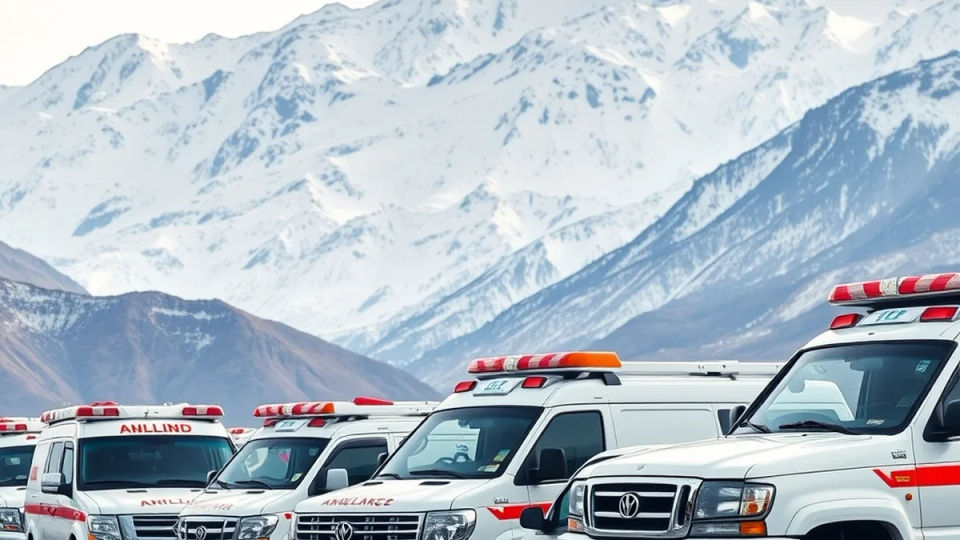
Launch of Ladakh Sanjeevani Seva Ambulance Network
The Ladakh Union Territory administration officially inaugurated Ladakh Sanjeevani Seva to establish comprehensive round-the-clock emergency medical transit across 248 villages. Lieutenant Governor Vinai Kumar Saxena flagged off a newly commissioned fleet of seventy-three emergency vehicles during ceremonies in Leh. The territorial healthcare initiative deploys dedicated drivers and paramedical personnel across all seven administrative districts of the cold desert plateau. Healthcare administrators emphasized that public policy aims to ensure every remote village maintains a direct transport link to nearest clinical centers. The regional expansion represents a vital milestone ensuring emergency medical care reaches the most isolated mountain settlements in India.
Geographical Challenges and High-Altitude Fleet Distribution
Emergency medical access across Ladakh has traditionally suffered from scattered habitations, expansive travel distances, high altitudes, and extreme sub-zero winter weather. To mitigate delayed transit times across rugged mountain passes, emergency vehicles are strategically stationed at an average distance of thirteen kilometers from designated settlements. Operational mapping links every rural village directly to a designated vehicle and driver based at the nearest regional health facility. Emergency logistics protocols enable rapid dispatched responses to vehicular highway accidents, high-altitude tourist medical emergencies, and acute trauma cases. Stationing ambulances in close proximity minimizes hazardous winter travel times over iced mountain routes during medical evacuations.
The service will assist patients suffering from cancer, kidney disease, heart disease, stroke and serious lung diseases who require repeated hospital visits.
Residents can access emergency medical assistance under the service through helpline 108.
Targeted Maternal Healthcare Monitoring and Database Planning
The healthcare administration placed specialized programmatic priority on safeguarding maternal and newborn health throughout high-altitude communities. Public health surveys identified and registered more than eleven hundred pregnant women across Ladakh within an integrated digital registry. Advance delivery scheduling enables rural health workers to track approaching delivery dates and pre-assign nearby transit transport to medical centers. Centralized digital tracking ensures expecting mothers receive timely institutional obstetric care without facing delays caused by sudden winter snowfall.
Institutional Integration and Emergency Response Standards
Territorial leadership stressed that the true caliber of a public healthcare system is reflected in the speed with which emergency responders reach critically ill patients. All seventy-three emergency vehicles are staffed with professional drivers trained in severe weather handling and specialized emergency life support. Dedicated wireless systems link mobile ambulance crews directly with primary health centers and district referral hospitals. The integrated emergency network guarantees that rural frontier populations receive timely medical transport throughout harsh winter road closures.