
Commerce Minister Piyush Goyal Launches Trade Command Centre in Delhi
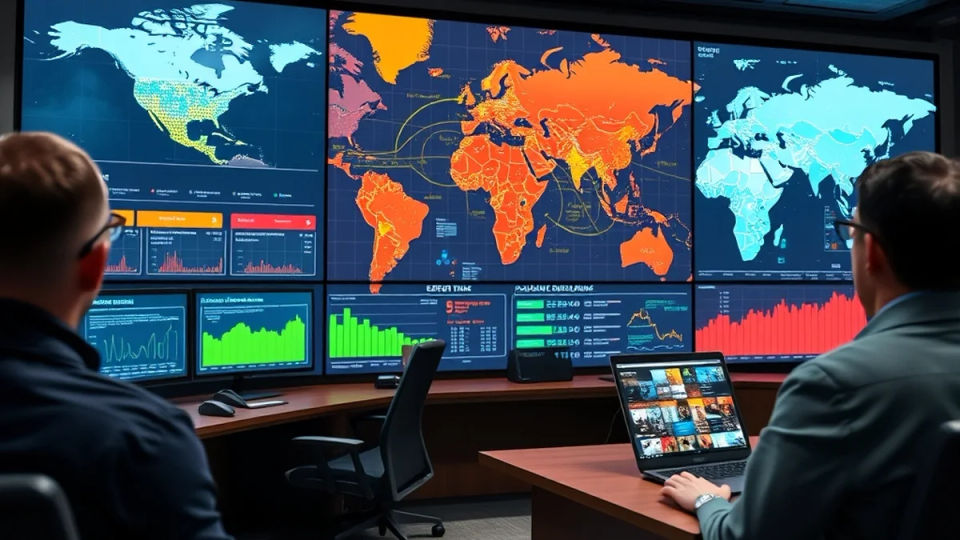
Launch of National Strategic Trade Command Centre in New Delhi
Union Commerce and Industry Minister Piyush Goyal officially inaugurated the National Strategic Trade Command Centre during a formal ceremony in New Delhi. The national command facility establishes a centralized technological initiative designed to strengthen the oversight, analytical assessment, and governance of India's cross-border trade framework. The specialized platform was architected and built by the Department of Commerce to convert extensive operational trade data into practical administrative insights. The initiative leverages modern advanced data analytics to support evidence-based policy formulation across external commercial sectors. Minister Goyal commended the platform for establishing digital tools that empower administrative officers to execute data-driven trade interventions.
Integrated Analytical Architecture and Digital Visualization
At the technological core of the command installation operates an integrated visualization engine that translates raw customs numbers into structured economic intelligence. The command center equips senior civil servants and economic policymakers with a unified overview of overall export performance metrics. Government analysts can evaluate statutory regulatory clearances, export promotion uptake, and operational indicators across national ministries. Authorized users can conduct multi-tiered evaluations tracking export volumes by regional licensing authorities, targeted commodities, and destination markets. Role-based access permissions safeguard confidential commercial filings while enabling granular tracking down to individual merchant applications.
Centralization of Foreign Trade Directorate Dashboards
The initial deployment consolidates administrative dashboards managing core functions of the Directorate General of Foreign Trade. Integrated monitoring includes licensing workflows for Importer Exporter Codes, Advance Authorisation exemptions, and Export Promotion Capital Goods frameworks. The digital command monitors international Certificates of Origin alongside dual-use item authorizations regulated under the SCOMET framework. Centralized administrative oversight enables regulators to evaluate scheme utilization rates and audit statutory export fulfillment obligations across regional offices. The technology leverages foundational digital services, including existing DGFT processing servers and the unified Trade Connect ePlatform.
Procedural Streamlining and Inter-Ministerial Backlog Clearance
The strategic command center aims to identify administrative bottlenecks, eliminate procedural delays, and simplify compliance regulations for Indian exporters. Minister Goyal directed the Inter-Ministerial Committee to convene recurring sessions to eliminate accumulated backlogs of pending trade applications. The core operational framework establishes explicit priorities aimed at optimizing application monitoring and comparing performance across regional offices. The facility supports trade officials in identifying emerging overseas export frontiers and evaluating enterprise utilization of bilateral free trade agreements. Long-term development roadmaps envision the command center evolving into a whole-of-government decision framework accessible to state governments and Export Promotion Councils. Phased data integration will progressively incorporate trade information across allied administrative departments to ensure coordinated commercial governance.
Why this matters to exporters
The National Strategic Trade Command Centre is a government analytics and coordination facility, not a new customs office or a portal that independently authorises export shipments. Its practical promise is to help officials spot underperforming product-and-market combinations, identify recurring trade bottlenecks and compare clearance progress across agencies. The government's announcement specifically highlighted the SCOMET dashboard, which deals with controlled dual-use goods and technology; those applications still need substantive licensing decisions under the applicable rules. Faster monitoring is not a waiver of export-control requirements.
What would demonstrate success
More informative evidence than a launch ceremony would include shorter processing times, fewer unresolved applications, clear definitions of indicators and documented improvements in exporters' ability to find relevant rules. Trade data should also be interpreted carefully: a rise in export value may reflect prices rather than higher physical shipments, while a market-level decline may have several causes. The centre's usefulness will depend on data quality and timely action by the departments receiving its alerts.
Sources & Citations
- News On AIRPrimary / official
- Vajiram & Ravi
- KNN India