
Suzuki Developing New Direct-Injection Turbo Engine for Indian Market
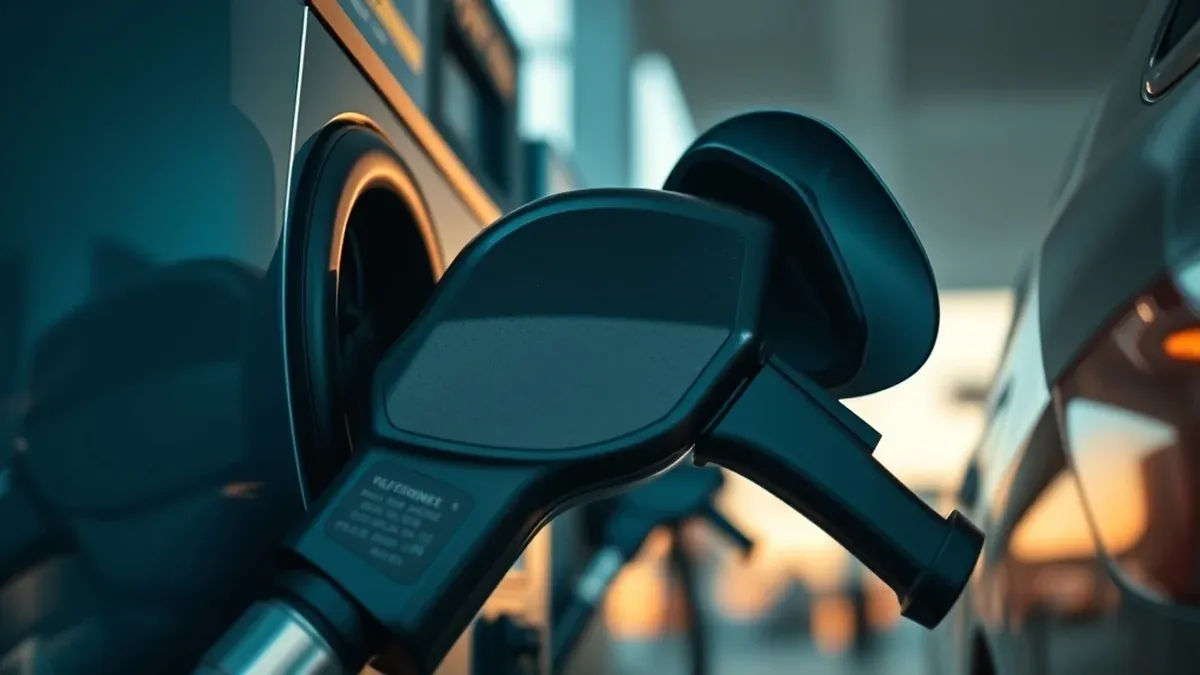
Suzuki Motor Corporation has announced the development of a new direct-injection turbocharged engine, designated as DITC, specifically tailored for growth markets including India. The project is part of a broader technology roadmap unveiled by the Japanese automaker on September 25, 2026, which aims to balance the company's aggressive expansion into hybrid and electric vehicles with continued investment in internal-combustion technology.
Focus on Performance and Thermal Efficiency
The DITC engine is being engineered to deliver a combination of enhanced performance and reduced fuel consumption. While Suzuki has not yet disclosed the engine's displacement, power output, or the specific vehicle models that will first feature the technology, the company confirmed that India is a primary focus for the project. This development aligns with Suzuki's multi-pathway strategy, which tailors powertrain solutions to the specific energy infrastructure and customer requirements of individual markets.
Beyond the DITC project, Suzuki has set an ambitious research goal to increase the thermal efficiency of its combustion engines from the current industry standard of approximately 40 percent to 50 percent. Thermal efficiency represents the proportion of fuel energy successfully converted into useful power. To achieve this, researchers are examining methods to minimize heat loss through exhaust and cooling systems, reduce internal engine friction, and optimize air intake. Measures under investigation include lean combustion, waste-heat recovery, and the use of lower-viscosity engine oils.
An India-focused turbo engine project could supply an additional powertrain choice for Maruti Suzuki as the brand expands its local lineup. Meanwhile, powertrain efficiency benchmarks vary across manufacturers, with specific platforms reaching significant output milestones.
Broader Technology Strategy
The development of the DITC engine is one component of Suzuki's Technology Strategy 2026, a 10-year roadmap that includes plans to halve new-vehicle development time by 2030. The company is also targeting a significant increase in annual production capacity in India, aiming for 4 million vehicles by the end of the decade. This strategy emphasizes parallel development, digital engineering, and modularization to improve manufacturing efficiency by 50 percent.
In India, Suzuki continues to pursue a diverse powertrain approach. Alongside its work on petrol engines, the company is investing in CNG and compressed biogas (CBG) infrastructure. Its third biogas plant in India, which utilizes cow dung to produce fuel, became operational in August 2026. This initiative is designed to leverage existing CNG vehicle ecosystems to meet carbon-neutrality goals without requiring a complete transition to new vehicle architectures.
The Indus Pulse is committed to accuracy and transparency.