
Edited by Editor-in-Chief, The Indus Pulse 25 Sept 2026, 02:02 PM 2 min readauto
India Targets 500 Hydrogen-Powered Heavy Vehicles on Roads by 2030
Sources & Citations
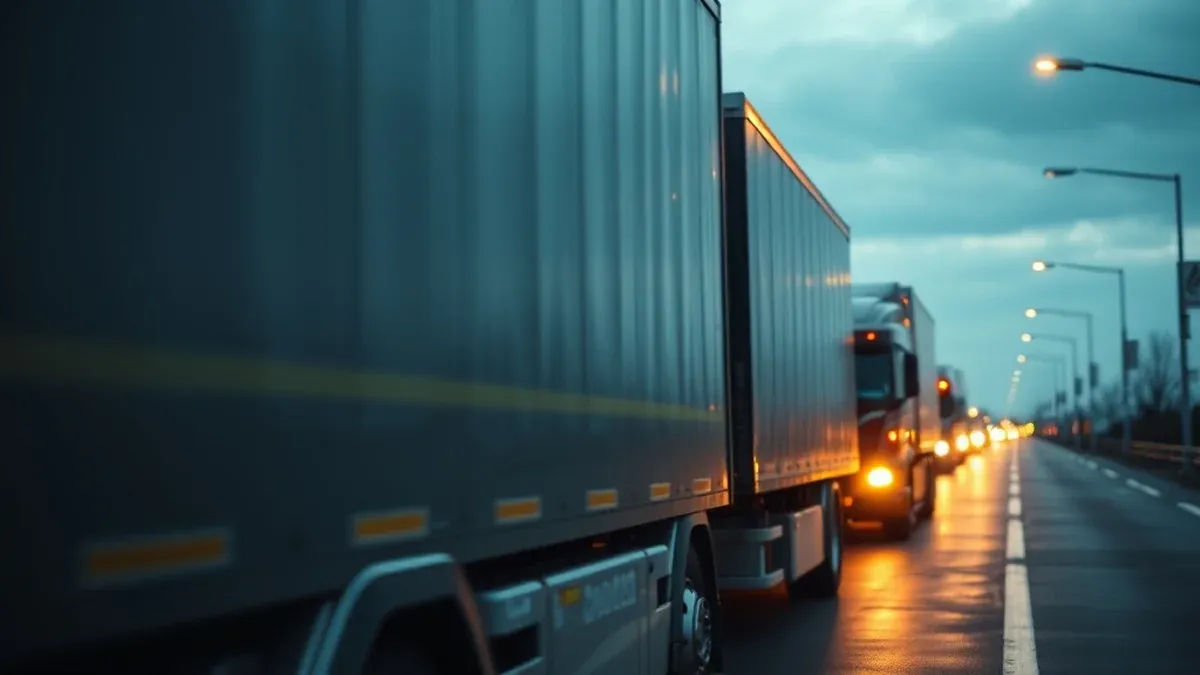
India aims to have at least 400 to 500 hydrogen-powered buses and trucks operating on national roads by 2030, according to Abhay Bakre, Mission Director of the National Green Hydrogen Mission. Speaking at the S&P Global Clean Energy Conclave in Delhi, Bakre identified heavy-duty mobility as a primary sector where the cost gap between conventional diesel and hydrogen-fuelled vehicles can be bridged rapidly. The government anticipates that operating costs for these vehicles will reach parity with diesel counterparts within the next two to three years as current trials conclude.
Scaling Hydrogen Mobility Trials
The government has already sanctioned 70 buses and trucks for pilot programs, with payload capacities ranging from 20 to 55 tonnes. By the end of 2026, officials expect approximately 45 to 50 of these vehicles to be actively involved in trials. To support this infrastructure, authorities have identified 20 highways across the country for the deployment of hydrogen fuelling stations. These pilot interventions are intended to provide data on the necessary requirements for scaling up hydrogen-based mobility nationwide.
Investment and Infrastructure Goals
Beyond mobility, the National Green Hydrogen Mission is targeting an annual production of 5 million tonnes of green hydrogen by 2030. Bakre noted that achieving this production capacity could attract between Rs 8 lakh crore and Rs 10 lakh crore in investment for hydrogen production alone, with further capital required for pipelines, storage, and port infrastructure. He emphasized that producing 1 million tonnes of hydrogen requires an estimated investment of Rs 1.5 lakh crore.
Projections indicate that storage expenses may decline to 588 USD per kilogram by 2025 and 294 USD/kg by 2030, driven by expected technological progress. Meanwhile, government targets aim for an output of 200,000 tonnes annually by 2025 and up to 5 million tonnes by 2030.
To ensure long-term viability, the mission is focusing on replacing grey hydrogen currently used in refineries and fertiliser plants. The government has already awarded its first major green ammonia tender, which is expected to displace 25 to 30 percent of India's grey ammonia imports. Bakre also stressed the importance of developing domestic manufacturing capabilities for electrolysers and fuel cells to reduce reliance on imported components. The mission is currently exploring demand creation in sectors such as steel, shipping, and process industries to achieve the economies of scale necessary to drive down production costs.
Sources & Citations
The Indus Pulse is committed to accuracy and transparency.