
Edited by Editor-in-Chief, The Indus Pulse 25 Sept 2026, 11:49 AM 2 min readauto
Delhi EV Policy 2026 Draws Over 5,600 Applications As Two-Wheelers Drive Early Uptake
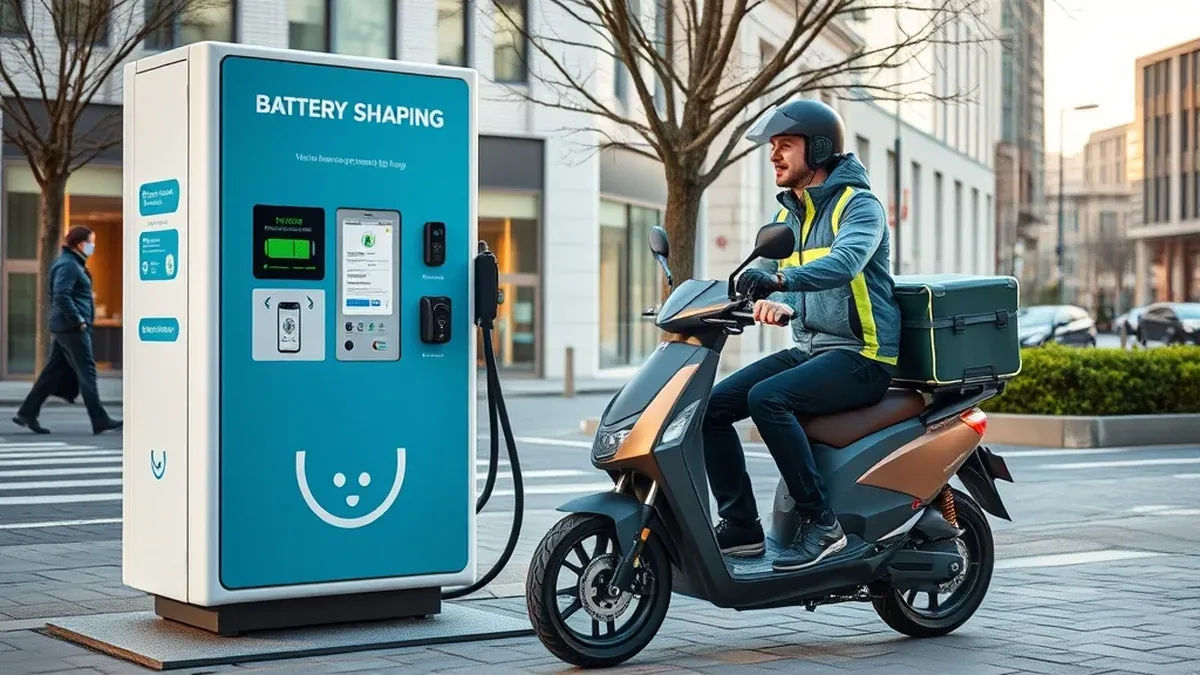
The Delhi government has received 5,678 applications for financial incentives under the Delhi Electric Vehicle Policy 2026 since its implementation in July, according to official data released on Thursday. Out of the total submissions, authorities have processed 1,664 applications and disbursed ₹4.8 crore across various incentive categories through direct benefit transfers up to September 21.
The policy, backed by a ₹15,000-crore financial push launched by Chief Minister Rekha Gupta to curb urban emissions and accelerate zero-emission transport, operates through an online portal inaugurated on July 3. While thousands of applications remain under administrative review, the initial rollout indicates a heavy concentration of buyers in the personal two-wheeler segment.
Electric Two-Wheelers Dominate Subsidy Disbursals
Electric two-wheelers have accounted for the overwhelming majority of applications and disbursements under the newly established framework. Government data shows that 5,621 applications, or roughly 99 percent of the total volume submitted, originated from two-wheeler buyers.
Among the processed claims, 1,648 beneficiaries in the two-wheeler category received financial support, totaling ₹4.6 crore of the overall ₹4.8 crore released by the administration. Under the structured incentive scale, electric two-wheelers are eligible for support of up to ₹30,000 in the first year, which steps down to ₹20,000 in the second year and ₹10,000 in the third year. Officials reported that 4,014 applications across all categories remain under active scrutiny and verification.
Vehicle Scrapping and Commercial EV Shifts
Aside from direct purchase incentives, the policy includes provisions designed to phase out older combustion vehicles by offering scrapping grants. Car buyers are eligible for a ₹1-lakh incentive when scrapping an eligible BS-IV or older passenger vehicle, while two-wheeler owners receive ₹10,000 upon trading in an older model for an electric alternative.
The framework also outlines structured financial incentives for electric two-wheelers, providing distinct per-kWh and maximum caps across multiple years. Furthermore, dedicated financial allocations are designated to support a large volume of two-wheelers.
Uptake for the scrapping component has remained modest during the initial months. Officials noted that 41 new EV buyers have received scrapping incentives so far, including 25 electric two-wheeler owners who secured a combined ₹2.5 lakh. Concurrently, administration figures highlight shifts in commercial sectors, where electric goods vehicle registrations climbed from 8 percent in pre-policy months to nearly 26 percent by September 2026, though policy-linked subsidy applications for commercial electric trucks remain low.
The Indus Pulse is committed to accuracy and transparency.