
Edited by Editor-in-Chief, The Indus Pulse 24 Sept 2026, 11:18 PM 3 min readworld
Russia's Krasnodar Region Declares State of Emergency Over Crippled Grain Exports
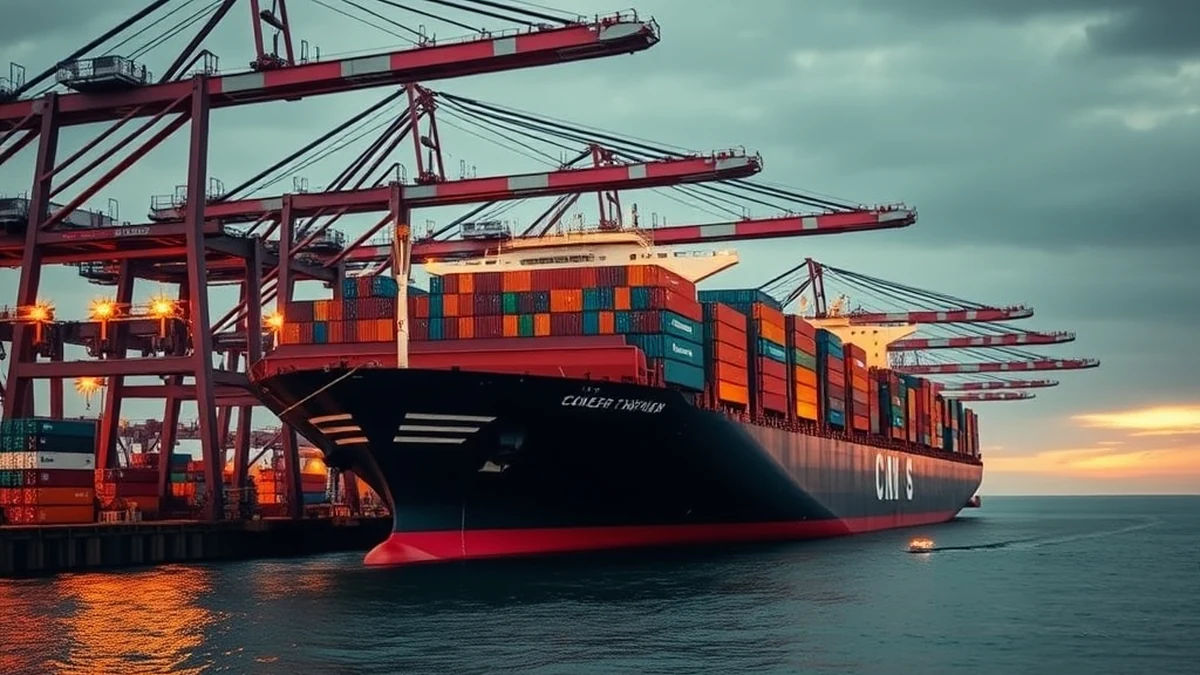
The governor of Russia's southern Krasnodar region has declared a state of emergency following intense Ukrainian drone strikes that have severely disrupted Black Sea shipping lanes and halted regional port operations. Regional Governor Veniamin Kondratyev signed the emergency decree, which was retroactively set to August 12, enabling affected agricultural producers to receive financial compensation as unsold inventories accumulate locally.
Moscow previously highlighted five structural hurdles when leaving the Black Sea Grain Initiative, including financial and logistical barriers. Meanwhile, excess domestic supply caused farmgate prices for fourth-class wheat to drop by 20% while regional consumer food inflation stayed high due to rising transport, processing, and retail expenses.
The disruption of maritime trade routes in the Azov-Black Sea basin has left local farms overflowing with surplus grain from a bountiful harvest. Krasnodar harvested 11.4 million metric tons of grain and pulses this year, representing an increase of nearly 2 million tons compared to output in 2025.
Novorossiysk typically processes approximately 25 million metric tons of grain exports each year, accounting for roughly 40% of the national total. Furthermore, this year's regional harvest comprised between 8% and 11% of Russia's overall harvest volume.
Port Operations and Export Capacity Stifled
Novorossiysk, a critical port city situated within the Krasnodar region, has borne the brunt of frequent drone strikes. The port serves as a primary maritime outlet not only for Russian agricultural commodities but also for crude oil and petroleum products. Industry analysts estimated that Ukrainian drone and missile strikes in August temporarily took offline approximately 90% of Russia's grain export capacity across the region.
The suspension of terminal operations has created a severe bottleneck. Governor Kondratyev stated that massive attacks on logistics infrastructure caused widespread shipping disruptions, preventing farmers from moving their yields to international buyers and driving an oversupply on the domestic market.
Domestic Market Pressures and Future Output Warnings
The sudden accumulation of unsold agricultural yields has triggered a sharp local supply glut, pushing domestic grain prices downward within Russia. While consumers face lower immediate costs, the country's financial sector and agricultural authorities have cautioned that prolonged supply chain blockages pose significant risks to future harvest cycles.
The Central Bank warned that extended interruptions to established export pathways could negatively impact agricultural output and grower stability in upcoming seasons. These commercial strains coincide with broader export contractions, with independent monitoring indicating that Russian grain exports have experienced sharp declines compared to previous periods.
Alternative Logistics and Diplomatic Channels
In response to the maritime blockades, Russian authorities are attempting to redirect agricultural shipments away from the Azov-Black Sea basin toward northern outlets. State logistics operators are repurposing Baltic and Arctic port terminals to handle grain transported by rail from southern agricultural hubs.
Concurrently, diplomatic efforts are underway to address the crisis. The Kremlin reported ongoing discussions regarding a Turkish proposal for establishing safe transit corridors in the Black Sea. These talks recall the framework of the original Black Sea Grain Initiative mediated by Turkey and the United Nations in July 2022, from which Moscow withdrew the following year over persistent obstacles facing its own food and fertilizer shipments.
The Indus Pulse is committed to accuracy and transparency.