
Qatar Plans Domestic Defence Production Hub Amid Gulf Security Threats
Qatar is preparing to announce a domestic defence-production hub, its Minister of State for Defence Affairs said on October 19, 2026. This is a planned industrial initiative, not a signed Gulf-wide mutual-defence pact. Officials identified protection against ballistic missiles and drones, as well as cybersecurity, as capability priorities while discussing cooperation with Gulf and international partners.
The defense decision constitutes a departure point for Doha, which has previously focused on boosting its regional and international soft power through media outreach and sports events.
Sheikh Saoud announced that Qatar and regional partners will soon establish a new initiative to build capabilities against ballistic missiles, drones, and cyberattacks, according to The Arab Weekly.
Strategic Defense Hub and Domestic Manufacturing
The establishment of a specialized domestic production hub reflects strategic lessons learned from recent regional military escalations across Gulf airspace. Sheikh Saoud discussed cooperation with partners including the United States, the United Kingdom and France; the accessible announcement did not set out investment contracts or name firms selected to build the hub. The proposed hub is intended to develop national defence-industrial capacity; announced partners, manufacturing lines, output and investment figures were not specified in the cited statement.
Sheikh Saoud emphasized the importance of cooperation among Gulf Cooperation Council (GCC) member states while affirming each country's sovereign foreign policy.
Qatari officials highlighted air defence, counter-drone systems and cybersecurity among resilience priorities, but the accessible announcement did not establish a completed procurement or investment decision for each area.
Diplomatic Mediation and Regional Channels
While developing enhanced regional defense architectures, Qatari diplomats maintained direct open diplomatic communication channels with counterparts in Tehran. Sheikh Saoud asserted that military deterrence and active diplomatic dialogue must operate simultaneously to achieve long-term regional stability. Sheikh Saoud likened the complex diplomatic mediation effort to a demanding long-distance endurance race requiring strategic patience and diplomatic fortitude.
Energy Infrastructure Security and Global Disruptions
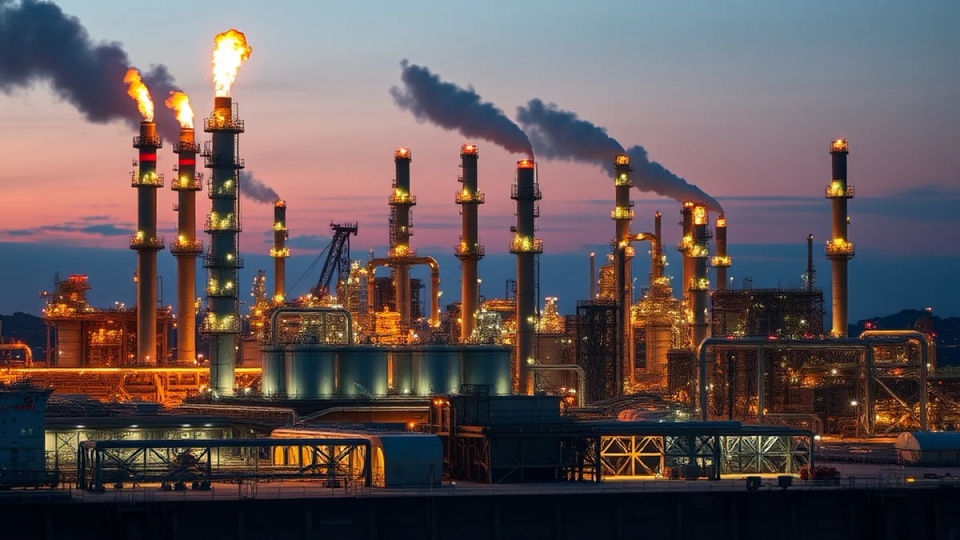
Recent regional hostilities dealt economic shocks to the energy sector, forcing Qatar to temporarily idle significant portions of its flagship liquefied natural gas facilities at Ras Laffan. Sheikh Saoud cautioned international markets that global energy disruptions have not yet reached their peak, warning of ongoing operational challenges in coming months. Qatar and Iran develop portions of the same cross-border gas reservoir, called North Field in Qatar and South Pars in Iran. Each country controls its respective jurisdiction; the shared geology does not mean the countries jointly own a single commercial asset.
Air Defense Preparedness and Bilateral Cooperation
Qatari military leaders noted that established defense ties and combined investments with allied forces have successfully mitigated previous aerial threats directed across Gulf territories. A formal agreement covering joint radar systems, command arrangements or maritime surveillance has not been established in the accessible announcement; such details must wait for official documents.
What was actually announced
Qatar's Minister of State for Defence Affairs said on October 19 that the country expected to announce a local defence-production hub and was discussing stronger regional and international cooperation. Specific corporate partners, investment totals, the governance of any multinational pact and an implementation timetable were not publicly settled in the reporting available. The distinction matters: preparing a capability initiative is not the same as signing a binding Gulf-wide collective-defence treaty. Qatar said it was prioritising ballistic-missile defence, counter-drone systems, cybersecurity and resilience in critical infrastructure.
The energy-security connection
Disruption to gas production and shipping can affect markets well beyond Qatar because liquefied natural gas is traded internationally. Improving air defence around vital facilities may reduce some risks, but such systems also depend on trained personnel, continuous maintenance, intelligence sharing and layered response plans. Diplomacy with regional rivals and practical defensive cooperation can occur simultaneously without implying that all governments have agreed on a common political position. Its implications belong to foreign affairs and energy security: the status of the hub, its partners and the actual scope of cooperation will determine the significance of the announcement.