
Paraguay President Santiago Pena Resigns After Bank Collapse
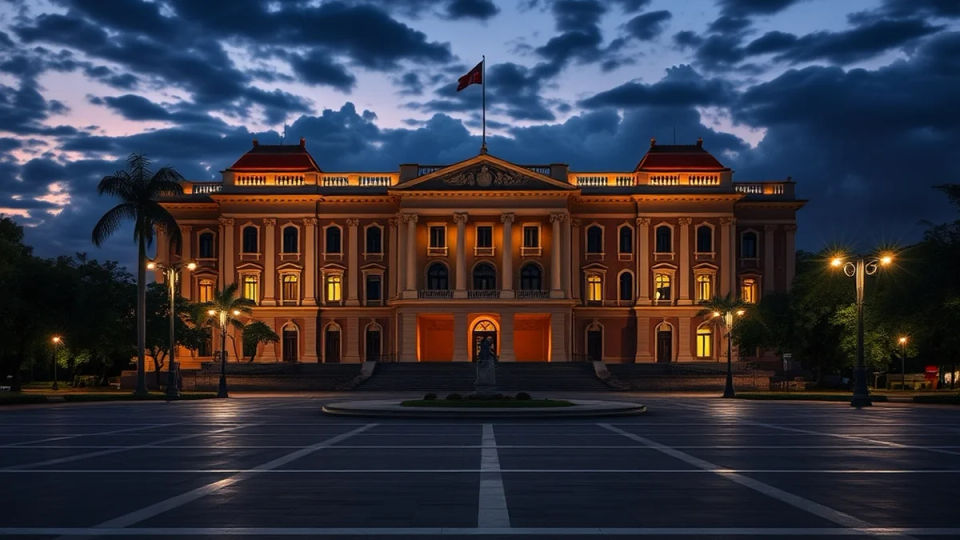
Paraguayan President Santiago Pena stepped down from office on Thursday, November 5, 2026, resigning amid a major national political crisis sparked by the financial collapse of digital lender Ueno Bank. The sudden resignation followed days of mounting civil unrest and an opposition-led impeachment drive after regulatory intervention in the institution locked millions of retail depositors out of their savings.
In a video address broadcast to the nation, Pena declared that he submitted his resignation to safeguard social peace, maintain national stability, and preserve Paraguay's democratic institutions. In his video message posted on social media, Pena offered an apology to the public, stating it was never his intention to betray the trust citizens had placed in him. Pena, a conservative economist elected in 2023 and an international ally of US President Donald Trump, stepped down after losing backing within his own ruling Colorado Party.
Solvency Breach and Financial System Shock
The economic turmoil erupted earlier in the week when the Central Bank of Paraguay seized control of Ueno Bank after regulators determined that the digital institution had breached mandatory capital adequacy requirements. The rapidly expanding fintech had grown into a mid-tier banking entity holding close to $850 million in public sector assets and civil service pension reserves. Regulatory intervention froze customer accounts belonging to roughly 3 million depositors, in a country of 6.5 million people, equivalent to about 60% of Paraguay's adult population. Across major metropolitan centers including Asuncion and Ciudad del Este, anxious depositors demonstrated outside shuttered branch offices demanding immediate access to their frozen life savings. Adjustments to Ueno Bank's financial statements revealed that its solvency ratio fell below 50% of the regulatory minimum requirement, according to The Asunción Times. Ueno Bank operated as a decades-old finance company before obtaining its banking license in 2023.
Impeachment Pressure and Judicial Inquiries
Congressional lawmakers introduced formal motions to impeach Pena, accusing the head of state of administrative conflicts of interest, negligence, and complicity regarding the failing institution. Political scrutiny intensified because Pena had previously held shares in Grupo Vazquez, the corporate conglomerate that owned the lender, before divesting his stake. Pena consistently rejected allegations of impropriety, asserting that the commercial controversy stemmed from technical regulatory shortcomings that should be resolved through established legal avenues.
Administrative Succession and Depositor Protections
The severe banking fallout prompted the resignation of Central Bank chief Carlos Carvallo on Tuesday, while judicial prosecutors issued arrest warrants for eight bank executives who later surrendered to authorities. Under national constitutional succession protocols, Vice President Pedro Alliana prepared to assume the presidency following formal legislative ratification by the National Congress.
Pena emphasized in his departing message that national priority must focus on ensuring the return of frozen savings, fulfilling deposit guarantee obligations, and protecting public resources belonging to ordinary citizens.
Background
S&P Global Ratings lowered its issuer credit ratings and issue ratings on Ueno Bank's debt to 'D' on November 4, 2026, triggering event of default provisions making notes immediately due and payable.
Under Paraguay's Deposit Guarantee Fund, eligible deposits are protected up to 75 monthly minimum wages, representing a maximum guarantee of ₲228,300,000 (approximately US$38,270) per depositor, according to The Asunción Times.