
Joint List Backs Gadi Eisenkot to Form Next Israeli Government
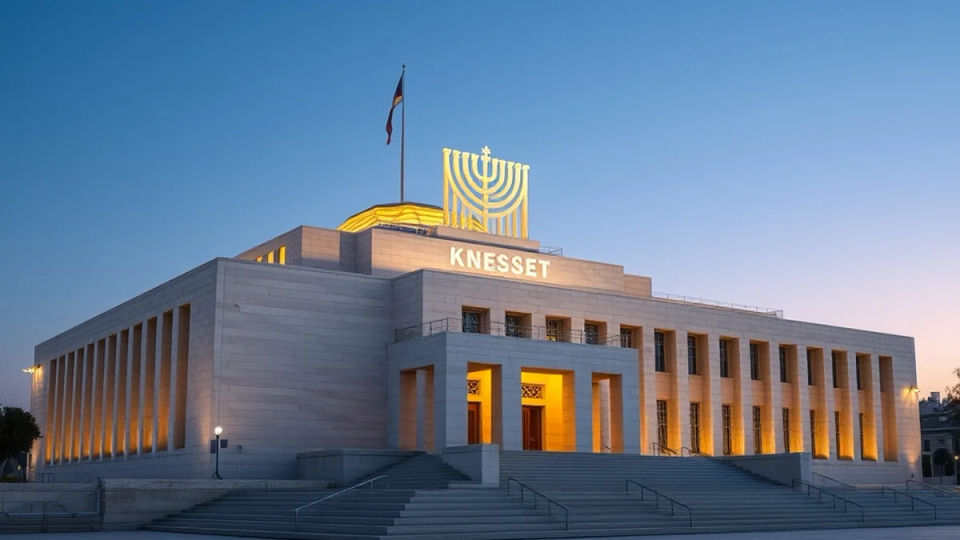
The Joint List alliance of Arab-led parties stated on Thursday, November 5, 2026, that it will recommend Israeli opposition leader Gadi Eisenkot to form the next government. The political endorsement positions the former military chief as the leading candidate to receive the presidential mandate following the general election held on October 27. Neither Netanyahu nor Eisenkot secured a direct legislative majority in the national ballot, leaving coalition formation dependent on inter-party consultations.
In an official statement released on Thursday, the alliance stated it would notify President Isaac Herzog of its formal endorsement during evening consultations. The decision follows election results in which Arab-led political factions secured a record 19 seats in Israel's 120-seat Knesset.
Coalition Arithmetic and Majority Thresholds
The recommendation by the Joint List's 11 lawmakers provides Eisenkot with an expected total of 67 endorsements across opposition factions. This backing surpasses the 61-seat threshold required to command a working legislative majority in the 120-seat parliament.
Earlier in the day, Ra'am, an Arab-led party holding eight parliamentary seats, declared that it would also recommend Eisenkot for the premiership. The combined endorsements from Arab parties grant non-Zionist parliamentary factions significant leverage over the composition of the incoming governing coalition. The increase in parliamentary representation followed heightened voter turnout across Arab minority communities during the October legislative contest. In 1993, Yitzhak Rabin's Israeli government survived as a minority coalition after Shas departed by relying on outside parliamentary support from Arab-majority parties that did not join the cabinet, according to Manara Magazine.
In contrast, Prime Minister Benjamin Netanyahu's conservative bloc controls 53 seats, but faces internal divisions. The right-wing tally will not reach 53 unified endorsements because Degel HaTorah, which controls four of United Torah Judaism's seven seats, decided to recommend neither candidate. Rabbi Dov Landau, spiritual leader of Degel HaTorah, instructed lawmakers that the Haredi community stands independent in the bloc of the Torah world, withholding support because Netanyahu failed to secure military service exemptions for yeshiva students, according to Manara Magazine.
Presidential Consultations and Legal Timelines
President Isaac Herzog conducted a second consecutive day of official political consultations with elected party delegations in Jerusalem. Under Israeli legal conventions, the head of state exercises discretion in selecting a prime ministerial candidate, traditionally tasking the leader commanding the broader bloc of recommendations. President Herzog maintains constitutional authority to determine which party leader receives the initial mandate to construct a governing cabinet.
Herzog has several days to conclude inter-party discussions and formally deliver his nomination announcement. Once designated, the chosen candidate receives an initial period of 28 days to negotiate a coalition agreement, with the president empowered to grant a potential 14-day extension.
Eisenkot, who leads the Yashar party, campaigned on commitments to restore institutional unity and reform governance standards following years of domestic conflict. Coalition negotiators will now commence formal negotiations to align policy positions between centrist factions and Arab-led parties to finalize a governing pact.
Background
Joint List leader Yousef Jabareen declared that outside backing for an alternative government requires halting house demolitions, curbing criminal gangs in Arab communities, funding Arab municipalities and education, and achieving civic equality, according to The Guardian.