
Five Tankers and Tugboat Struck in Strait of Hormuz
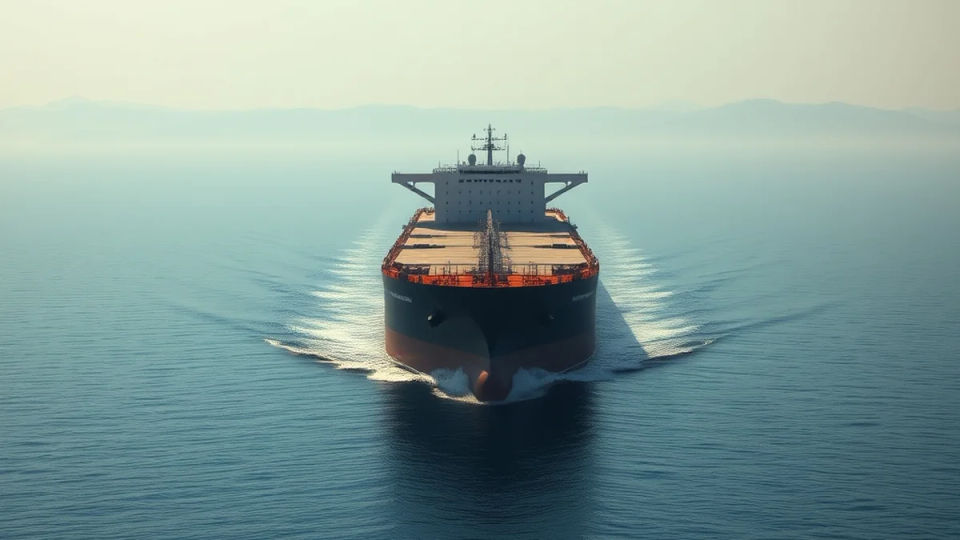
Maritime shipping through the Persian Gulf faced fresh disruption on Thursday, November 5, 2026, as Iranian forces reported that five commercial oil tankers and an assisting tugboat caught fire across several incidents in the Strait of Hormuz. The maritime flare-ups underscore sustained hazards across the strategic waterway, which typically accommodates approximately one-fifth of international crude petroleum consumption.
According to announcements carried by official Iranian state media, Iran's Revolutionary Guards and army units stated that multiple vessels struck naval mines while attempting to navigate unauthorized maritime corridors.
Tanker Mine Detonations and Incident Sequence
The Iranian army later reported through the IRNA news agency that three additional tankers struck naval mines in waters east of the strait between morning and midday. Additional War Risk Premiums for Strait of Hormuz transits rose from pre-crisis levels of approximately 0.125% to 0.25% of vessel value up to between 1% and 5%, with some quotations reaching up to 10%, according to The Legal 500. US Central Command assisted Gulf nations in exporting 1.5 billion barrels of oil via the Strait of Hormuz since summer 2026, according to CBS News.
Projectile Strikes Off Qatar and Maritime Monitoring
The United Kingdom Maritime Trade Operations agency stated that an unidentified tanker was struck by two projectiles roughly 50 nautical miles, or about 93 kilometres, north of Qatar's Madinat ash-Shamal. UKMTO did not identify the attacked tanker or the flag under which it operated, noting there was no immediate claim of responsibility for the offshore strike.
Geopolitical Repercussions and Diplomatic Negotiations
The shipping strikes unfolded alongside diplomatic recriminations following US midterm elections that altered congressional control in Washington. Iranian Parliament Speaker Mohammad Baqer Qalibaf publicly criticized American policy directions on Thursday, responding to statements from US Vice President J.D. Vance regarding the strategic rationale and domestic political costs of the military campaign. On November 5, 2026, Iran rejected the latest US response in Qatar-mediated negotiations regarding Strait of Hormuz passage as not convincing, following a US military strike on Qeshm Island on November 3, according to the website House of Saud.
While mediation efforts proceed in Doha, regional energy markets remain volatile amid acute uncertainty over commercial transit security through the strategic strait.
Background
On October 26, 2026, the IRGC declared the Strait of Hormuz closed to unauthorized transit, establishing a legal framework affecting a waterway that previously carried an average of 138 ships per day according to the Joint Maritime Information Center.
According to Iranian foreign minister Abbas Araghchi, diplomatic negotiations in Doha, Qatar, have evaluated a framework where the United States would initiate measures on the first day, followed by the reopening of the Strait of Hormuz on the second day.