
Ethiopian Government Forces Retake Mekelle and Airport From Tigrayan Rebels
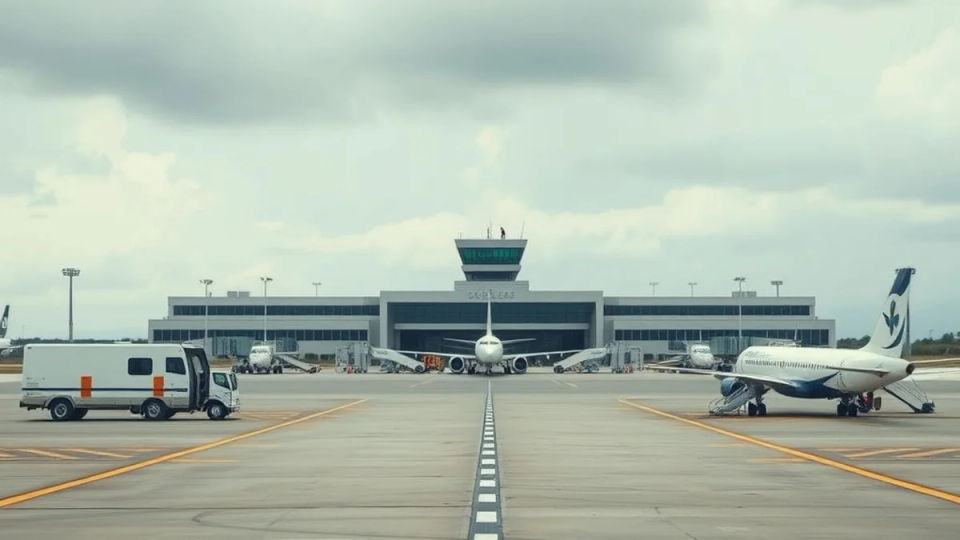
Ethiopian federal military forces and allied militias have regained control of Mekelle, the capital of the northern Tigray region, following a week of intense combat. The advance marks a major turnaround in the country's worst escalation of violence since the conclusion of the 2020-2022 civil war.
For Civilian casualties, Fighting in northern Ethiopia caused at least 52 civilian deaths and a sharp increase in wounded patients according to Doctors Without Borders (MSF).
The Tigray People's Liberation Front (TPLF), which leads the regional opposition alliance, acknowledged the retreat in a statement posted on social media. According to Anadolu Agency, the group announced that the regional government would temporarily relocate outside Mekelle to continue its operations. Residents in the city reported gunfire near the outskirts and noted concerns regarding the security of public facilities amidst retreating rebel fighters.
Offensive and Strategic Setback for TPLF
The fall of Mekelle and its surrounding airport represents a severe blow to the TPLF-led coalition, which had launched a major offensive on September 23 against federal positions. The rebels had initially seized control of the airport and advanced into neighboring regions, prompting a rapid counteroffensive by the Ethiopian National Defence Force (ENDF) alongside the Tigray Peace Forces.
For Mekelle security situation, The withdrawal of TPLF fighters left police stations and municipal offices in Mekelle unstaffed, prompting resident fears of looting and lawlessness. According to Al Jazeera, humanitarian and local sources confirmed to Reuters that Ethiopian troops regained control of Alula Aba Nega Airport, situated roughly 10 kilometers east of Mekelle's center.
While federal forces have re-established control over the regional capital, analysts warn that the conflict is far from resolved. The TPLF leadership has signaled intentions to pivot toward guerrilla warfare tactics, mirroring the strategy employed during previous phases of the northern conflict. Severe disruptions to telecommunications, internet services, and banking across Tigray have continued to complicate independent verification of conditions on the ground.
Regional Diplomatic Fallout and International Concern
The renewed hostilities have triggered broader geopolitical friction in the Horn of Africa. Last week, the federal government in Addis Ababa severed diplomatic ties with neighboring Eritrea, ordering ten diplomats to leave and closing its embassy amid allegations that Asmara supported the rebel alliance. Eritrea, along with Sudan and Egypt, has denied providing assistance to the TPLF.
The African Union and international partners, including the United States State Department, have expressed deep concern over the deteriorating security situation. US officials urged all parties to exercise maximum restraint and return to the framework established by the 2022 Pretoria peace agreement, warning that a sustained conflict threatens ongoing humanitarian and security cooperation in the region.
Amnesty International called on the African Union Peace and Security Council to convene an emergency session on Ethiopia, warning against waiting for mass atrocities to unfold after the ceasefire collapsed.