
Edited by Editor-in-Chief, The Indus Pulse 25 Sept 2026, 04:53 AM 2 min readtech
Samsung Wallet Adds Fingerprint Verification for UPI Transactions in India
Sources & Citations
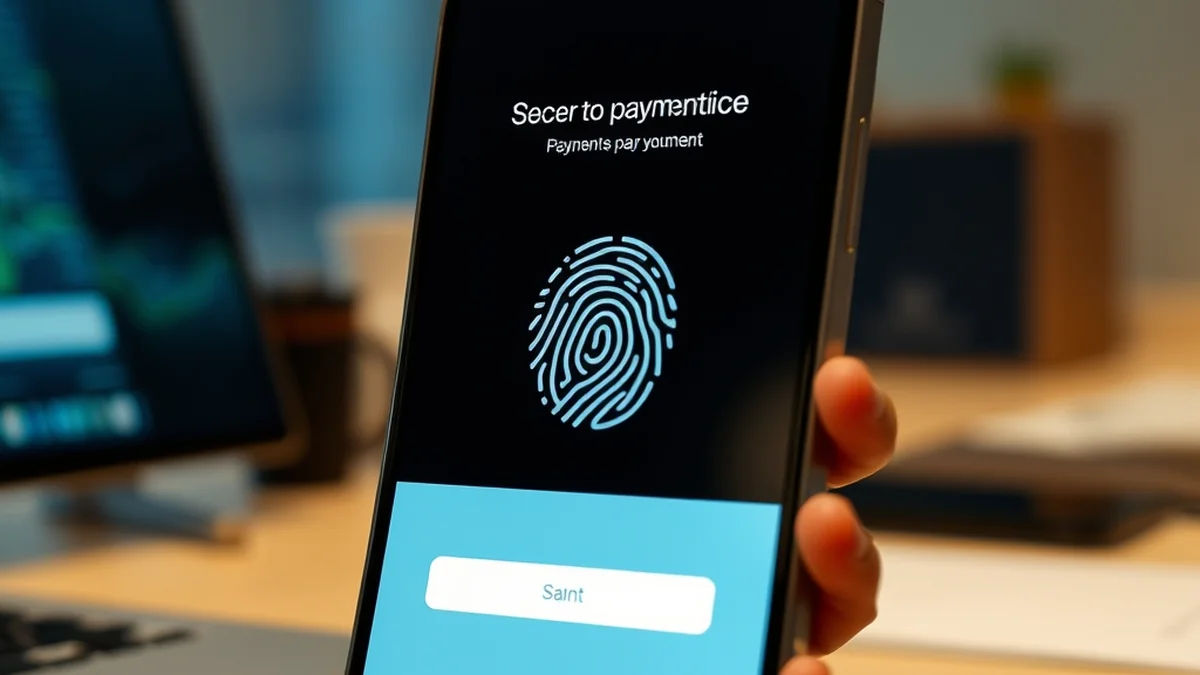
Samsung has rolled out an on-device biometric authentication update for Unified Payments Interface (UPI) transactions within Samsung Wallet across India. Galaxy smartphone users can now use their device's built-in fingerprint sensor to authorize eligible digital payments instead of manually punching in a six-digit or four-digit UPI PIN. According to the company, the biometric capability applies specifically to transactions capped at Rs 10,000.
During the 2025–26 financial year, UPI transactions reached a value exceeding ₹314 lakh crore, while onboarding approximately 55.49 crore users by June 2026. Separately, certain platforms limit biometric authentication to ₹5,000 and restrict setups to 3 verification attempts.
The feature is engineered to execute entirely on the local device, removing the friction and privacy vulnerabilities associated with typing confidential payment credentials in crowded public environments. Samsung stated that local biometric verification also mitigates the frequent issue of transaction failures triggered by mistyped PIN entries.
Transaction Limits and Operational Mechanics
The newly enabled fingerprint authorization mechanism is restricted to UPI transactions up to Rs 10,000. When initiating a peer-to-peer or merchant payment through Samsung Wallet on a compatible Galaxy device, users receive an on-screen prompt requesting biometric validation rather than the standard numeric passcode entry.
Because Samsung's release does not mandate a separate manual toggle or activation submenu within the app settings, interface steps may fluctuate slightly depending on the specific Galaxy hardware model and installed Wallet software version. Once the fingerprint sensor successfully verifies the owner's identity, the transaction processes automatically.
Security Architecture and Knox Integration
Underneath the payment interface, Samsung Wallet relies on its proprietary defense-grade security architecture, Samsung Knox, alongside hardware-level fingerprint recognition and encryption protocols. Sensitive financial data, tokenized payment cards, and digital assets are housed within an isolated secure environment designed to withstand both digital exploitation and physical tampering.
Beyond UPI money transfers, the application maintains support for contactless card payments via tokenized credit and debit cards, utility bill settlements, and digital storage for boarding passes, event tickets, identification cards, and digital keys.
Sources & Citations
The Indus Pulse is committed to accuracy and transparency.