
14 Sept 2026, 08:50 AM 4 min readtech
Oppo Sets September 22 Debut for Find X10 Series Led by Triple 200MP Pro Max
Sources & Citations
Oppo has officially confirmed that its next-generation Find X10 flagship smartphone series will make its debut on September 22, showcasing an overhauled camera architecture and ultra-thin bezels. The upcoming lineup spans three distinct models, featuring the standard Find X10, the high-end Find X10 Pro Max, and a compact Find X10 E variant that retains a familiar rectangular camera housing. Alongside the hardware reveal, Oppo confirmed that the devices are already open for pre-reservations in China, with additional companion hardware including the Watch S2 and Enco X4 audio accessories slated to accompany the main release.
The series launch marks a major engineering push into ultra-high-resolution mobile photography and advanced silicon integration. The top-tier Pro Max model adopts a striking blacked-out camera module and incorporates three separate 200-megapixel sensors, while the standard Find X10 implements a dual 200-megapixel camera setup. Furthermore, Oppo is rolling out new Hasselblad teleconverter kits designed for easier physical attachment to enhance telephoto reach, positioning imaging capabilities as the core differentiator for the new generation.
Redesigned Deco Camera Architecture and Build Variants
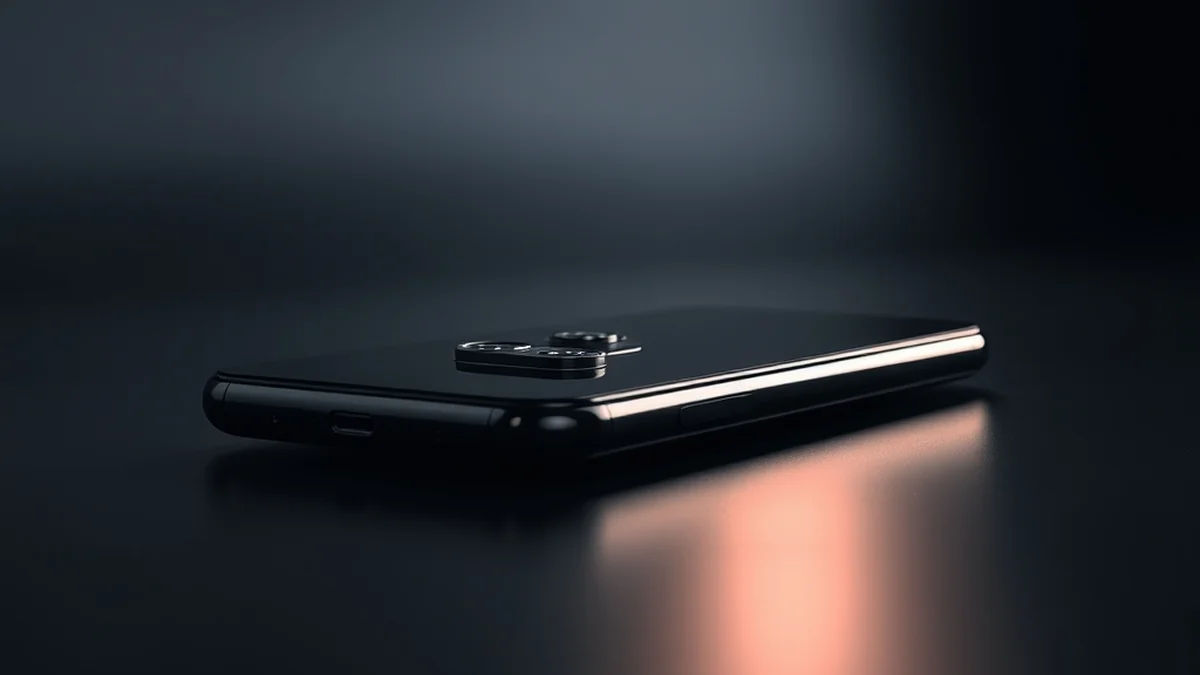
The visual identity of the Find X10 series introduces a significant departure from previous generations through a newly engineered Deco camera island. According to company disclosures and official renders, the standard Find X10 features a raised rectangular camera island containing three large cutouts, taking aesthetic cues from the Find X9s Pro. In contrast, the Find X10 Pro Max features a bold, blacked-out camera module spanning the upper-left rear quadrant, accompanied by a separate raised vertical section housing the flash and True Color sensor.
Material choices and colorways vary across the lineup to distinguish the tiers. The standard Find X10 utilizes a one-piece cold-engraved glass backing that Oppo refers to as velvet glass, available in Ice Blue, Clear Orange, and Light Titanium. The Pro Max edition employs a glass rear panel offered in White Moon, Light Titanium, and Warm Orange. Both flagships introduce a physical Snap Key on the side frame for dedicated camera control, while the smaller Find X10 E preserves the traditional rectangular camera shape of its predecessors.
High-Resolution Multi-Sensor Camera Hardware and Hasselblad Integration
Imaging hardware forms the primary technical advancement for the Find X10 family. The Find X10 Pro Max equips a triple 200-megapixel configuration covering primary, ultrawide, and telephoto focal lengths. Specifications indicate the main sensor is a 200-megapixel Samsung HPC 1/1.28-inch unit featuring optical image stabilization, supported by a 200-megapixel Samsung HP5 1/1.56-inch ultrawide lens and a 200-megapixel 1/1.56-inch telephoto lens with optical stabilization.
The standard Find X10 pairs a 200-megapixel Samsung HPE primary sensor with a 200-megapixel Samsung HP5 telephoto lens and a 50-megapixel ultrawide camera. Both models incorporate the Hasselblad Ultra-Clear Original Camera setup, built around a second-generation Danxia color restoration lens that captures light and color information across 24 sampling channels, alongside the proprietary LUMO imaging engine and the new physical teleconverter accessory.
Advanced Display Engineering and Next-Generation Silicon
Display performance on the standard Find X10 features an OLED panel developed in partnership with Tianma, designated as Tiangong Screen 2.0. This panel incorporates blue light reduction technology alongside improvements to low-brightness performance. Oppo reduced side bezels to 0.99mm on all four sides of the standard Find X10, marking the slimmest border profile on a Find series device, an improvement over the 1.45mm bezels on the Find X8 and 1.15mm on the Find X9. The Pro Max features slightly thicker 1.15mm bezels.
Under the hood, benchmark filings confirm distinct silicon architectures for the primary flagships. The standard Find X10 operates on MediaTek MT6993 silicon, mapping to the Dimensity 9500 platform, while the Find X10 Pro Max utilizes MediaTek's MT6995, representing the company's first 2nm processor expected to launch commercially as the Dimensity 9600 Pro. Both units tested in pre-release Geekbench filings feature 16GB of RAM and run ColorOS 17 based on Android 17.
Power Infrastructure and Global Rollout Timeline
Energy management is anchored by substantial battery capacity across the hardware ecosystem. The standard Find X10 houses an 8,000mAh battery engineered to retain performance over five years of regular operation. The Pro Max model matches this 8,000mAh capacity while incorporating rapid 100W wired charging and 50W wireless charging capabilities.
The official unveiling in China on September 22 will establish initial retail availability, though regional rollout schedules are already taking shape. Certification filings indicate that the Find X10 series is progressing toward an international introduction, with the standard Find X10 receiving BIS certification on September 2 and the Pro model appearing in certification pipelines since late July. Global pricing and specific release dates outside China remain unannounced.
Sources & Citations
The Indus Pulse is committed to accuracy and transparency.