
Flipkart Prepares Food Delivery Service to Challenge Zomato and Swiggy
Flipkart Pilots Food Delivery Service to Challenge Incumbent Duopoly
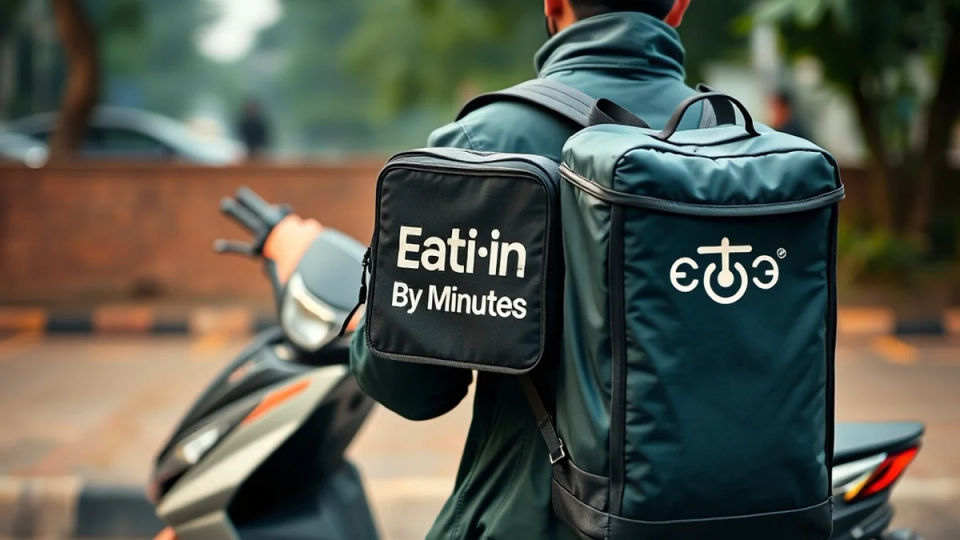
Walmart-controlled Indian e-commerce giant Flipkart is actively preparing to enter the national food delivery sector to challenge market leaders Zomato and Swiggy. The retail enterprise is venturing into an intensely competitive digital ordering environment that previously thwarted similar delivery initiatives from Amazon and Google. The Bengaluru-headquartered company initially piloted the ordering service internally and recently broadened pilot testing to encompass more than eight thousand employees. The food ordering interface appears as an independent shopping tab on Flipkart's mobile platform beside quick-commerce groceries and travel bookings. Field couriers sporting branded jerseys marked with Eat-in by Minutes insignia have commenced initial fulfillment runs across urban Bengaluru neighborhoods.
Rapido's food delivery platform Ownly operates on a zero-commission model, onboarding close to 20,000 restaurants in Bengaluru to challenge incumbent take rates.
Flipkart planned to expand Eat In ahead of a consumer launch in Bengaluru, alongside testing a standalone Minutes app before Big Billion Days.
Dedicated Ekart Logistics Fleet and ONDC Network Integration
Flipkart assembled a specialized ground delivery workforce through its internal Ekart logistics division to manage restaurant dispatching. The newly organized restaurant fulfillment fleet functions entirely separately from delivery personnel assigned to standard ten-minute grocery orders. The digital marketplace aggregates dining menus through direct merchant agreements alongside integration with the government-supported Open Network for Digital Commerce. Tapping into ONDC protocols allows the platform to onboard thousands of neighborhood restaurants rapidly without relying solely on proprietary merchant sales teams. The combined direct and network aggregation strategy provides wide culinary selection across commercial retail zones in southern India.
Market Expansion Dynamics and Restaurant Industry Sentiment
Financial research firm Bernstein estimates that India's digital food ordering sector is expanding at an annual rate of eighteen to twenty percent. Digital food delivery currently accounts for approximately fifteen percent of India's aggregate commercial food services expenditure. Established incumbents Zomato and Swiggy collectively cater to an estimated eighty-five to ninety-five million active transacting consumers annually. National Restaurant Association of India president Sagar Daryani stated that dining establishments have long suffered under duopolistic platform commissions. Restaurant trade representatives emphasized that food merchants require viable third-party distribution alternatives to balance high commission structures.
Swiggy introduced Toing, a standalone food delivery app targeting price-sensitive users that reached roughly 33 million weekly active users according to CLSA estimates.
Historical Precedents and Strategic Differentiation from Past Exits
Previous corporate contenders struggled to sustain long-term operational viability within India's high-density food delivery sector. Global technology titan Amazon introduced a localized food delivery platform in Bengaluru in 2020 before permanently shuttering operations two years later. Ride-hailing operator Uber previously exited the Indian delivery landscape in 2020, divesting its local Uber Eats operations directly to competitor Zomato. Flipkart aims to leverage its massive national consumer retail database and integrated logistics infrastructure to achieve sustainable delivery unit economics. The company's phased corporate pilot program indicates measured preparations ahead of a comprehensive commercial public debut.