
Amazon Warns NYC Delivery Mandate Threatens 15 Fulfillment Hubs
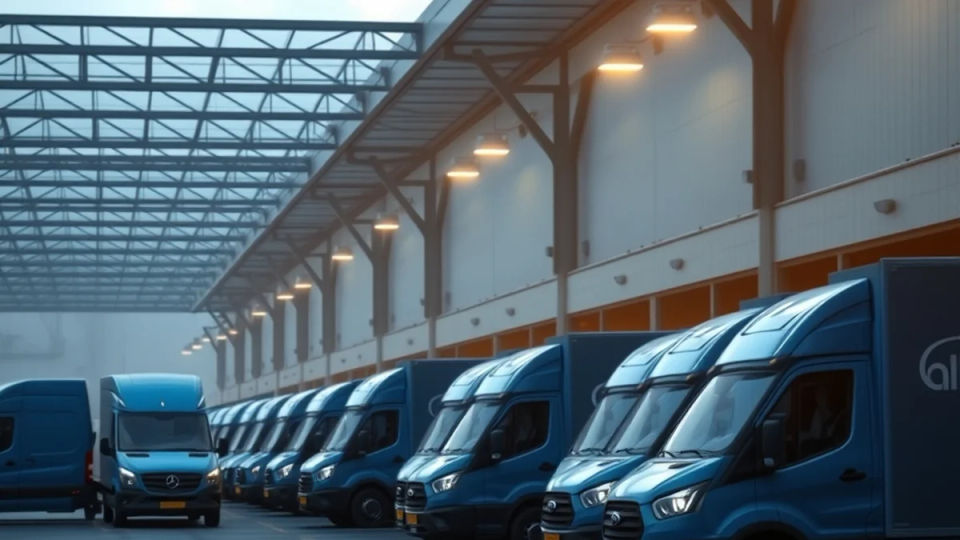
Amazon has warned that proposed municipal delivery regulations in New York City could force the retail giant to close distribution warehouses and relocate regional operations. The municipal showdown centers on the Delivery Protection Act, an ordinance backed by Mayor Zohran Mamdani requiring logistics corporations to directly employ contracted drivers. Industry analysts warn that enacting the legislative mandate could lead to the closure of 15 last-mile fulfillment facilities across New York City.
The New York City Delivery Protection Act specifically targets the delivery service partner model by requiring corporations like Amazon to directly employ contracted drivers, making the parent company responsible for wage and safety protections.
Municipal Mandates and Delivery Protection Act Provisions
Introduced by Councilwoman Tiffany Caban, the bill would require all last-mile logistics facilities operating within city boundaries to obtain a municipal license. The legislative proposal mandates that warehouse operating companies assume direct employer status for drivers currently hired by more than 40 independent partner delivery companies. City Hall officials argue that the existing logistics model allows large corporations to control delivery quotas, route schedules, and working conditions without bearing direct legal responsibilities. Municipal negotiators have evaluated compromise arrangements permitting independent contractors to continue operating if Amazon guarantees enhanced safety protections for delivery personnel.
Employment Exposure and Household Cost Projections
Industry estimates indicate that closing 15 urban fulfillment hubs would place more than 5,000 local logistics jobs and 2,000 warehouse positions at immediate risk. Across the metropolitan territory, Amazon directly or indirectly employs more than 12,000 hourly workers across its warehousing and delivery networks. An economic study funded by Amazon and conducted by AKRF estimated that the regulatory mandate could add up to 664 dollars annually to average household expenses. Amazon spokesperson Steve Kelly maintained that the sprawling urban region is best served by local small businesses deeply embedded in neighborhood communities.
The Canadian Precedent and Regional Relocation Threats
In early 2025, the e-commerce corporation shut down its seven fulfillment centers in Quebec, eliminating nearly 1,900 direct positions. The Canadian shutdown affected approximately 2,800 partner delivery drivers as the corporation restructured its regional shipping model. DashWave Delivery owner Kris Basmagy, whose company handles Amazon shipments on Manhattan's Upper East Side, told reporters that regulatory pressure could prompt an operational exit. Analysts observed that the Canadian precedent demonstrates corporate willingness to abandon entire distribution networks when operating economics become non-viable.
In 2022, approximately 5,500 employees at Amazon's JFK8 fulfillment center on Staten Island voted to unionize, but they still lack a collective bargaining agreement.
Twenty Years of Fulfillment by Amazon Architecture
The regulatory clash in New York coincides with the twentieth anniversary of Fulfillment by Amazon, which transformed third-party merchant logistics. FBA vice president Sunny Jain noted that since launching in 2006 with seven distribution warehouses, the logistics network has processed and moved more than 80 billion product units globally. Independent merchants accounted for 61 percent of total paid units sold across the retail platform during the second quarter of 2026. Amazon reported third-party seller service revenues of 46.8 billion dollars for the quarterly period, reflecting 16 percent year-on-year growth. Amazon's commercial advertising division expanded 26 percent to generate 19.8 billion dollars over the same reporting window.