
Telangana Plans 14 Month Foodgrain Buffer for Three Crore Citizens
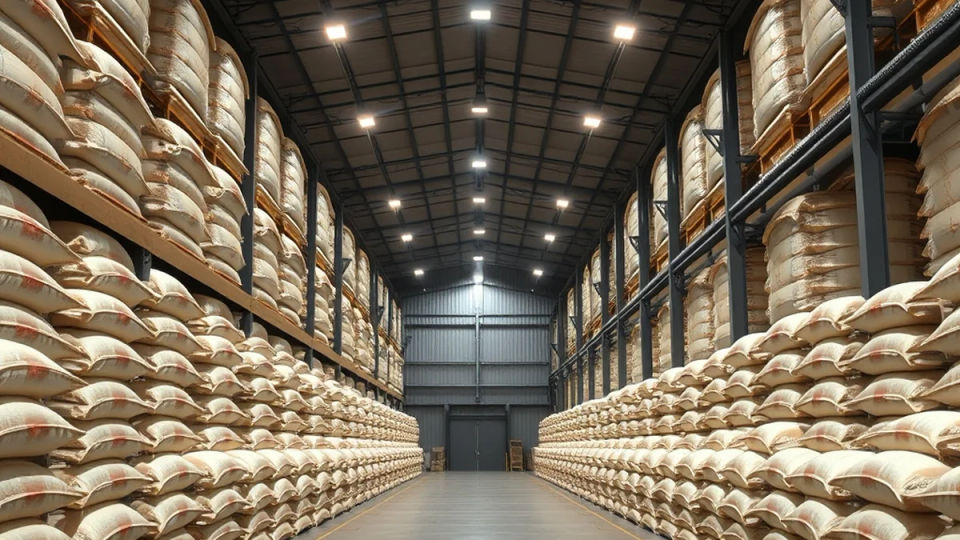
Foodgrain Buffer Expansion to Shield Over Three Crore Citizens
The Telangana government announced strategic plans to establish an extensive foodgrain reserve to shield more than three crore citizens from climate-driven shortages. Civil Supplies and Irrigation Minister N. Uttam Kumar Reddy instructed departmental directors to coordinate procurement timelines and warehouse management. State leadership emphasized that emergency reserves must guarantee uninterrupted staple deliveries even if monsoonal rainfall deficits diminish agricultural output. The state administration aims to build a comprehensive grain cushion extending coverage up to fourteen months across all districts. Official consumption statistics indicate that welfare programs across the state consume approximately 2.38 lakh metric tonnes of rice each month.
Existing Godown Inventories and Mill Delivery Projections
Official stock assessments recorded 9.64 lakh metric tonnes of milled rice stored inside state-managed buffer godowns as of mid-October. Government warehousing figures divide current inventories between 3.50 lakh tonnes allocated to the Central Pool and 6.14 lakh tonnes for state welfare channels. The civil supplies corporation expects to receive another 18.39 lakh metric tonnes through scheduled custom-milled rice deliveries from registered millers. Combined existing stores and incoming consignments provide an estimated 28.03 lakh metric tonnes, securing food assistance through September 2027.
Proposal to Expand Essential Commodities Under Public Distribution
Minister Uttam Kumar reviewed detailed financial evaluations regarding the subsidised distribution of supplementary kitchen staples through fair price shops. Cabinet discussions reviewed proposals to include wheat flour, red gram pulses, refined palm oil, and granulated sugar within monthly quotas. Departmental analysts were tasked with calculating beneficiary allotment scales, supply-chain logistics, and treasury outlays before final cabinet approval. Civil Supplies Commissioner Stephen Ravindra participated in high-level reviews to align procurement channels with anticipated seasonal price spikes.
Statewide Drought Preparedness and Urban Water Regulations
Chief Secretary Sanjay Jaju instructed regional administrative officers to draft micro-level contingency plans addressing drinking water and power generation. Senior administrator Jayesh Ranjan announced that municipal authorities will prohibit drilling new borewells for construction purposes in Hyderabad. Beginning in November, commercial construction sites in the state capital must utilize treated wastewater transported by dedicated tanker fleets. The state government also launched comprehensive satellite surveys of reservoirs, village tanks, and irrigation canals to monitor water conservation. Municipal enforcement squads initiated targeted crackdowns across urban zones to detect and confiscate unauthorized motor pumps attached to municipal distribution lines. Water supply authorities arranged emergency diversions delivering sixty million gallons daily through Mission Bhagiratha to supplement local urban networks.
A reserve is a plan, not a household ration
Telangana's food-security discussion concerns buffer stocks for people relying on the Public Distribution System, not a promise that every resident will receive 14 months of food at once. Reporting on October 20 put the affected population at about 3.42 crore and identified roughly 9.64 lakh tonnes of rice in buffer godowns as of October 16. Officials said rice availability could cover projected requirements until September 2027. Those measures differ: physical stock on a given date, forecast receipts from mills and the duration of coverage are not interchangeable.
Why weather risk is part of the calculation
A possible El Niño can raise concerns about rainfall and farm output, but forecasts are probabilistic and do not establish that a drought has already occurred. Maintaining food distribution involves storage condition, transport, procurement finances and transparent beneficiary records, not just an announced tonnage. The state is also considering additional essential commodities for the PDS; consideration is not the same as an approved benefit. Families should rely on state civil-supplies notifications to know actual ration quantities, prices and eligibility rather than infer changes from a planning discussion.