
India Bars Sugar-Based Ethanol for 2026-27 and Cuts Maize Rate
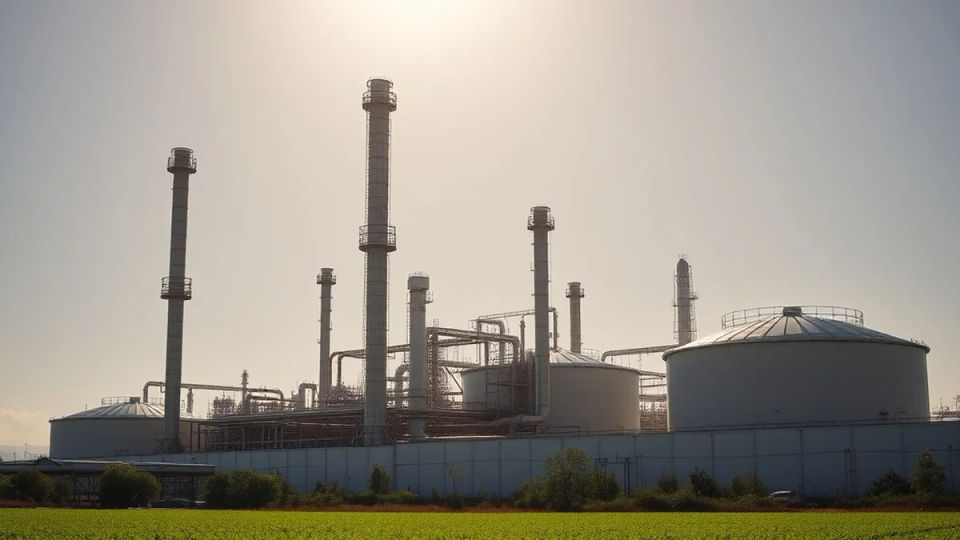
State-owned fuel marketing enterprises in India have formally barred ethanol produced from sugarcane juice, sugar syrup, and B-heavy molasses from procurement tenders for the upcoming 2026-27 supply cycle. The regulatory intervention reflects national economic efforts to stabilize domestic culinary sweetener reserves while maintaining ongoing nationwide vehicular ethanol blending targets. Bharat Petroleum Corporation Limited published the official competitive tender on behalf of public sector oil marketers seeking approximately 11 billion liters of biofuel. The policy adjustments recalibrate agricultural feedstock incentives, prioritizing non-food grains and agricultural byproducts over direct cane sugar diversion.
In December 2023, the central government banned the use of sugarcane juice and sugar syrup for ethanol production during the 2023-24 supply year.
Sugar Diversion Ban and Supply Protection Policy
Consequently, the national procurement tender issued for the 2026-27 cycle entirely excludes bids utilizing high-sucrose cane extracts or primary molasses. Government ministries introduced the strict feedstock curbs following erratic monsoon distribution across leading sugar cultivation hubs including Maharashtra and Karnataka. By eliminating cane sugar diversion, agricultural authorities seek to curb domestic retail price spikes and guarantee adequate domestic buffer stocks for household consumption.
Procurement Targets and Quarterly Supply Schedules
The consortium of oil marketing companies invited commercial distillery bids for an aggregate volume of 1,100 crore liters spanning the twelve-month delivery window. Supply contracts require commercial biofuel producers to deliver 300 crore liters across each of the opening two quarters spanning November through April. The required delivery volume adjusts downward to 250 crore liters per quarter during the third and fourth tranches extending through October 2027. Procurement guidelines allow alternative agricultural feedstocks including sugar beet, sweet sorghum, and tuber starches like cassava to participate in national bidding.
Pricing Structure Across Alternative Grain Feedstocks
The procurement framework established dedicated tender categories for ethanol derived from C-heavy molasses, broken food grains, and state food corporation rice reserves. For the 2026-27 operational year, oil marketing companies fixed standard procurement rates at 57.97 rupees per liter for C-heavy molasses distillates. The central government reduced maize-based ethanol incentives, setting a baseline rate of 66.07 rupees alongside a reduced 2.79 rupee incentive for an effective price of 68.86 rupees per liter.
Domestic Sugar Production Estimates and Food Security
Government agricultural estimates place India's gross sugar production at 310 lakh tonnes for the 2025-26 crushing season concluding in September. However, preliminary market forecasts indicate total sugar output during the 2026-27 crop cycle may decline to approximately 280 lakh tonnes. Official production projections from the food ministry are scheduled for release next month, determining whether export curbs remain necessary. The recalibrated procurement guidelines ensure India maintains momentum toward its 20 percent ethanol petrol blending target without cannibalizing essential consumer food supplies.