
Shivraj Singh Chouhan Launches Upgraded Agri Welfare Portal
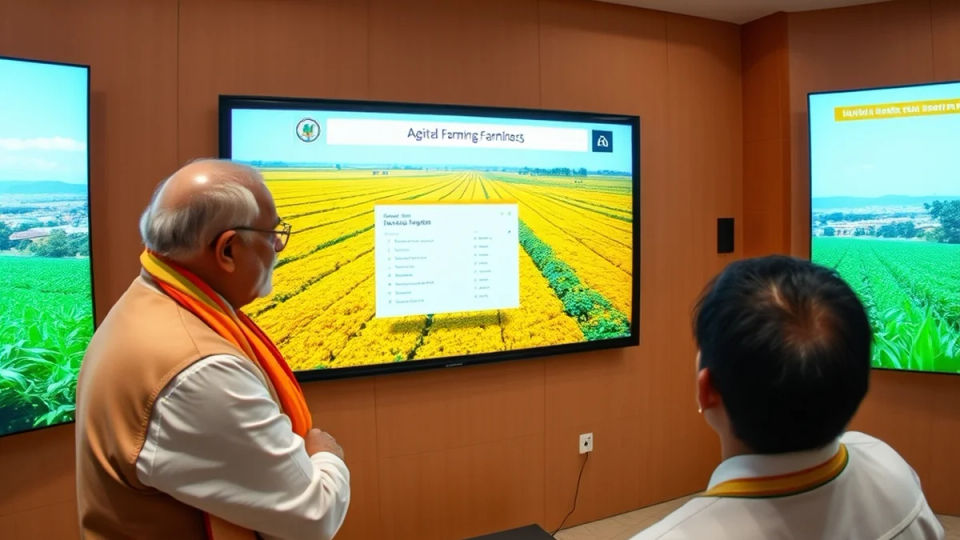
Digital Gateway Launch for Agrarian Welfare
Union Agriculture Minister Shivraj Singh Chouhan launched an upgraded agri welfare portal that will provide farmers with comprehensive scheme details. The Hindu reported that the platform will serve as a single-window gateway to major central government initiatives. The digital portal directly integrates premier programmes including PM-KISAN, AgriStack, and the Pradhan Mantri Fasal Bima Yojana. Chouhan chaired the formal inaugural meeting at Krishi Bhawan alongside senior digital agriculture administrators. The platform enables eligible farmers to submit scheme applications online without navigating multiple fragmented departmental websites.
Multi-Stakeholder Collaboration and Governance
Chouhan said the initiative reflects the administrative vision of keeping governance accessible to citizens at all times. He emphasized that the digital architecture brings Farmer Producer Organisations and Primary Agricultural Credit Societies together. Agricultural scientists, academic researchers, and agri-tech start-ups will also interact on the common platform. Chouhan told officials that the portal's success will depend on the continuous accuracy and timely availability of records. He stressed that procedures and digital language must remain simple enough for marginal farmers with limited schooling.
Technical Compliance and Accessible Architecture
The upgraded portal was developed in accordance with MeitY digital guidelines, adhering to established GIGW standards. The software is designed to be highly secure, mobile-friendly, and accessible to persons with physical disabilities. Specialized interface features support visually impaired users through assistive screen readers and simplified navigational pathways. Union Minister Shivraj Singh Chouhan praised the entire technical team for completing the national digital initiative on schedule. Senior ministry officials and representatives of the National Informatics Centre attended the formal launch ceremony. The system is specifically engineered to function smoothly on entry-level smartphones and across weak rural wireless networks.
Direct Benefits and Elimination of Intermediaries
The portal will bring a wide range of agricultural information and services together in one place, saving farmers considerable time. Features including digital eligibility checks and direct electronic benefit transfers into bank accounts will increase transparency. Direct benefit payments are expected to systematically eliminate commission leakages and the historical role of middlemen. Cultivators will also receive real-time updates regarding localized weather conditions, scientific farming advisories, and certified seed stocks. Live mandi price feeds will assist rural producers in identifying optimal commercial timing for crop transactions.
Grassroots Training via Krishi Vigyan Kendras
A nationwide training campaign will be conducted through Krishi Vigyan Kendras to familiarise farmers with digital tools. Local extension officers will instruct rural communities on navigating portal dashboards and tracking application statuses. The concerted rollout aims to bridge the digital divide across India's expansive agricultural landscape.
How a farmer would actually use the portal
The October 19 Agriculture Ministry announcement describes a mobile-friendly, single-window gateway for schemes including PM-KISAN, AgriStack and the Pradhan Mantri Fasal Bima Yojana. Those schemes serve different purposes: income support, digital agricultural records and crop insurance. A farmer still needs to meet the eligibility rules and documentary requirements of the relevant programme. Finding an application through one portal is not the same as automatic approval or an immediate direct-benefit transfer. The ministry has also said Krishi Vigyan Kendras will provide digital-awareness training, an important step for people with limited connectivity or familiarity with government portals.
What implementation should be measured against
The most useful measures will be whether a person can complete an application on a low-cost phone, understand a rejection, correct records, receive acknowledgements and access a working grievance channel. Accurate and regularly updated local-language information matters at least as much as the technical launch. Existing helplines, bank-account verification and scheme-specific claims procedures remain relevant where the single window points users to other services. Farmers should use official government domains and avoid intermediaries demanding money to release legitimate benefits; the portal announcement is not an invitation to share bank credentials with unofficial agents.
Sources & Citations
- The Hindu
- Hindusthan Samachar English
- Press Information BureauPrimary / official