
13 Sept 2026, 10:03 AM 5 min readindia
DRDO to Establish New Missile Testing Range in West Bengal’s Junput
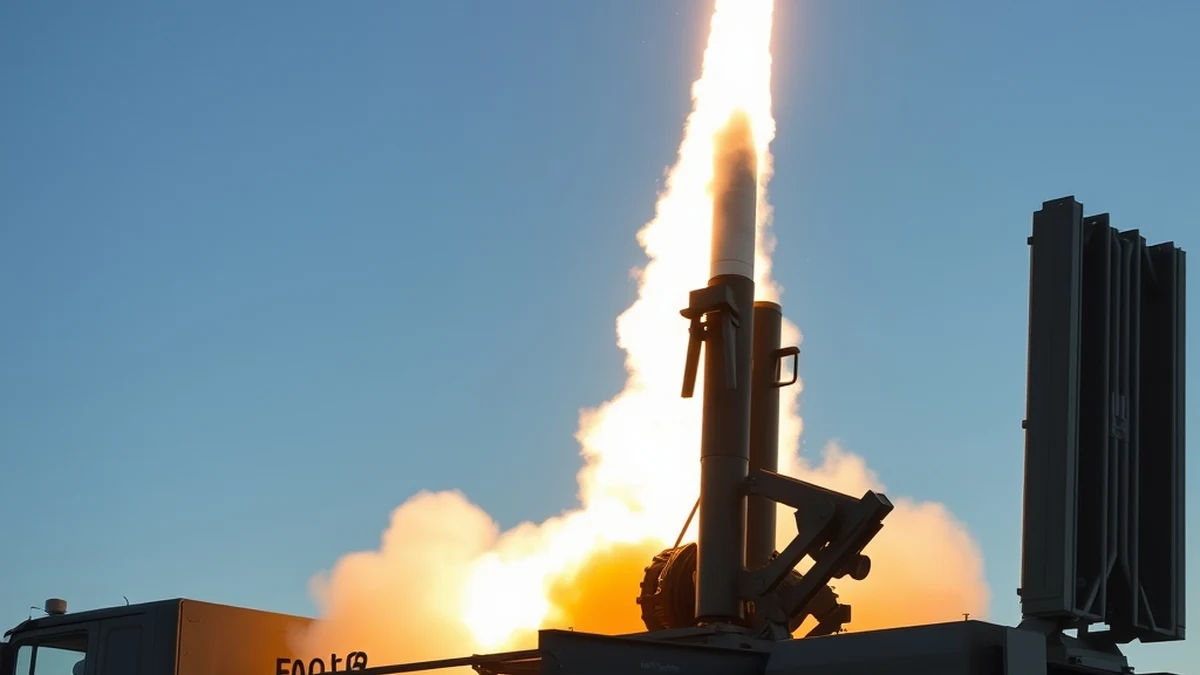
India is set to expand its strategic defence infrastructure with the establishment of a new weapon and missile testing range in the coastal village of Junput, located in West Bengal's Purba Medinipur district. The project, which has received formal approval from the state government, is designed to complement the existing Integrated Test Range (ITR) facilities in Odisha and a separate proposed centre in Andhra Pradesh. This development marks a significant expansion of the Defence Research and Development Organisation (DRDO) testing network, aimed at managing the increasing volume of trials for India's growing arsenal of tactical and strategic weapon systems.
The initiative follows a period of administrative delay, as the proposal had been under consideration since April 2024. During a recent event, West Bengal Chief Minister Suvendu Adhikari confirmed that the state has now cleared the project, noting that the facility is expected to serve as a major driver for regional development. DRDO officials have also verified the project's status, confirming that the Junput site will play a critical role in alleviating the operational load currently concentrated at the Odisha-based launch complexes.
Strategic Expansion of DRDO Testing Infrastructure
The selection of Junput as a testing site is driven by its geographical suitability, mirroring the strategic advantages of the existing Chandipur facility. Located approximately 70 kilometres from the Odisha coast, the site offers a secure, eastward trajectory over the Bay of Bengal, which is essential for conducting long-range missile trials without endangering populated areas. By establishing a third major hub, the DRDO aims to create a more resilient testing ecosystem that can support simultaneous trials of diverse weapon platforms.
Currently, the ITR in Odisha operates across two primary launch complexes. Launch Complex-III is dedicated to short-range tactical missiles, surface-to-air systems, and multi-barrel rocket launchers such as the Akash and Pinaka. In contrast, Launch Complex-IV is reserved for high-stakes strategic trials, including the Agni ballistic missile series and the K-series submarine-launched missiles. The addition of the Junput range will provide the necessary redundancy and capacity to handle the increasing frequency of these complex trials as India continues to modernize its defence capabilities.
Addressing Operational Load and Capacity
The decision to expand into West Bengal reflects a broader national strategy to decentralise and scale up defence testing capabilities. As the DRDO accelerates the development of indigenous weapon systems, the demand for dedicated testing windows has surged. The existing facilities in Odisha have been the backbone of India's missile program for decades, but the intensity of testing schedules has necessitated the development of new, dedicated infrastructure to prevent bottlenecks.
By distributing the workload across three distinct hubs in Odisha, Andhra Pradesh, and West Bengal, the DRDO can ensure that development timelines for critical projects are not compromised by scheduling conflicts or maintenance requirements at a single location. This multi-site approach also allows for specialized testing environments tailored to different classes of weaponry, ensuring that each facility can be optimized for specific types of ballistic, cruise, and tactical missile trials.
Regional Development and Local Impact
Beyond its strategic military utility, the project is being framed as a significant economic development opportunity for the Purba Medinipur district. The establishment of a high-tech testing range typically involves substantial investment in local infrastructure, including road connectivity, power supply, and security arrangements. State authorities have indicated that the project is expected to generate employment and stimulate local economic activity, aligning with broader goals for industrial growth in the coastal region.
While the project faced initial hurdles due to a lack of response from the previous state administration, the current approval signals a shift in the state's approach to central defence projects. The integration of the Junput range into the national defence network is expected to proceed with a focus on balancing the requirements of the DRDO with the socio-economic needs of the local community. The project underscores the importance of state-centre cooperation in executing large-scale strategic infrastructure that serves national security interests.
Historical Context of Strategic Threats
The expansion of India's testing capabilities occurs against a backdrop of evolving regional security assessments. Recently declassified intelligence documents from 1998 have highlighted that India has long been a focal point in global security assessments regarding extremist threats. A CIA warning from August 1998, issued three years before the 9/11 attacks, explicitly identified India as a target for Osama bin Laden, who viewed the country through an ideological lens that linked it to a broader conspiracy against the Islamic world.
This historical context serves as a reminder of the persistent security challenges that have shaped India's defence policy over the decades. The development of advanced missile systems and the infrastructure to test them is a direct response to these long-standing strategic imperatives. By strengthening its deterrent capabilities, India continues to prioritize the modernization of its armed forces to ensure national security in an increasingly complex geopolitical environment.
Next Steps and Implementation
Following the formal approval by the West Bengal government, the project is expected to move into the land acquisition and site development phase. DRDO will likely initiate detailed surveys and environmental assessments to prepare the Junput site for the construction of launch pads, tracking stations, and safety infrastructure. While specific timelines for the commencement of the first trials have not been disclosed, the project is now officially part of the national defence infrastructure pipeline.
Future updates will likely focus on the procurement of specialized equipment for the range and the establishment of secure communication links between Junput and the existing ITR command centres. The successful implementation of this project will be a key milestone in the DRDO's efforts to enhance the nation's self-reliance in defence technology, ensuring that India maintains a robust and responsive testing capability for its future strategic deterrents.
The Indus Pulse is committed to accuracy and transparency.