
Qatar Unveils Plans for Regional Defense Pact and Weapons Hub
Qatar is preparing to unveil a comprehensive regional defense partnership to upgrade its national military infrastructure and strengthen security coordination across the Gulf. The multilateral security framework is specifically designed to bolster collective defenses against incoming ballistic missiles, explosive attack drones, and hostile cyber warfare.
The defense decision constitutes a departure point for Doha, which has previously focused on boosting its regional and international soft power through media outreach and sports events.
Sheikh Saoud announced that Qatar and regional partners will soon establish a new initiative to build capabilities against ballistic missiles, drones, and cyberattacks, according to The Arab Weekly.
Strategic Defense Hub and Domestic Manufacturing
The establishment of a specialized domestic production hub reflects strategic lessons learned from recent regional military escalations across Gulf airspace. Sheikh Saoud affirmed that Qatar is partnering with international allies including the United States, the United Kingdom, and France to invest in specialized defense companies. The strategic initiative aims to expand domestic ammunition stockpiles and precision counter-drone interception assets produced within sovereign industrial zones.
Sheikh Saoud emphasized the importance of cooperation among Gulf Cooperation Council (GCC) member states while affirming each country's sovereign foreign policy.
Following an internal defense review, Qatar identified air defence, counter-drone systems, cybersecurity, and water security as its strategic military investment priorities.
Diplomatic Mediation and Regional Channels
While developing enhanced regional defense architectures, Qatari diplomats maintained direct open diplomatic communication channels with counterparts in Tehran. Sheikh Saoud asserted that military deterrence and active diplomatic dialogue must operate simultaneously to achieve long-term regional stability. Sheikh Saoud likened the complex diplomatic mediation effort to a demanding long-distance endurance race requiring strategic patience and diplomatic fortitude.
Energy Infrastructure Security and Global Disruptions
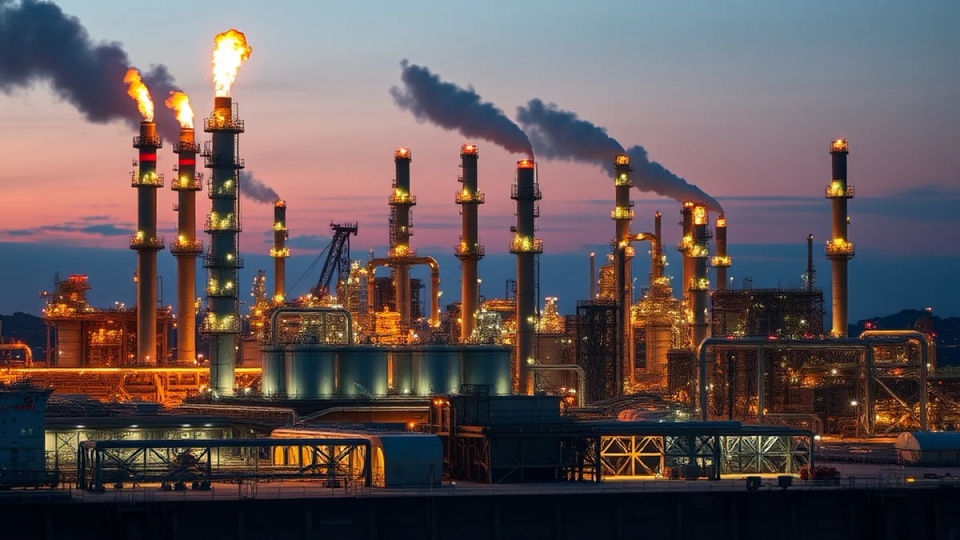
Recent regional hostilities dealt economic shocks to the energy sector, forcing Qatar to temporarily idle significant portions of its flagship liquefied natural gas facilities at Ras Laffan. Sheikh Saoud cautioned international markets that global energy disruptions have not yet reached their peak, warning of ongoing operational challenges in coming months. The deputy prime minister noted that Qatar and Iran share ownership of the vast offshore South Pars and North Field gas reservoir. Shared geographic ownership of the world's largest natural gas field provides both sovereign nations with strong mutual economic incentives to avert infrastructural warfare.
Air Defense Preparedness and Bilateral Cooperation
Qatari military leaders noted that established defense ties and combined investments with allied forces have successfully mitigated previous aerial threats directed across Gulf territories. The forthcoming defense partnership will formalize joint radar early-warning protocols, air defense integration, and maritime corridor surveillance between participating regional allies.