
Mercedes-Benz India Sees Potential for Plug-in Hybrids in Luxury Market
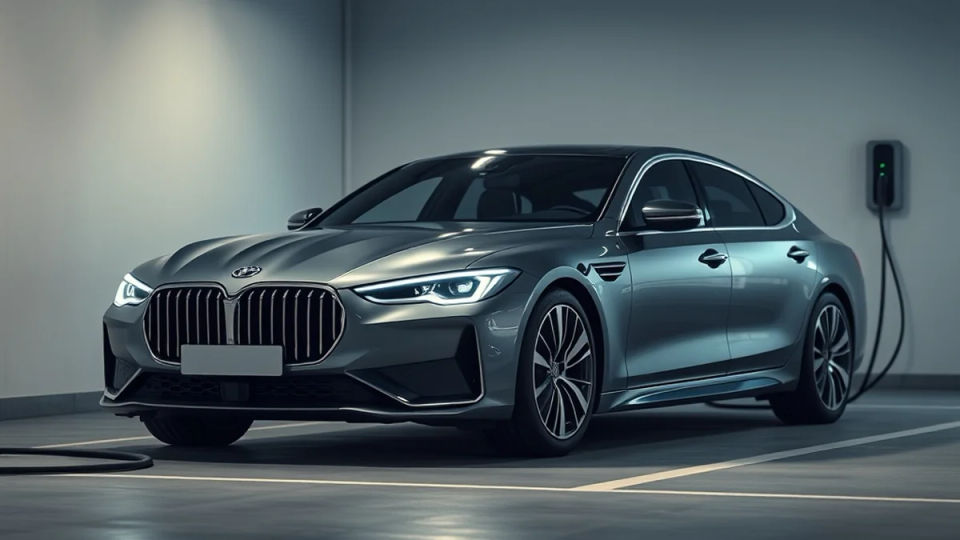
Mercedes-Benz India is positioning plug-in hybrid electric vehicles (PHEVs) as a strategic interim technology for the Indian luxury market. CEO Santosh Iyer stated that these vehicles offer a balance between electric driving for daily commutes and the flexibility of a combustion engine for longer journeys, addressing common consumer concerns regarding charging infrastructure and range anxiety.
Strategic Role of Plug-in Hybrids
Iyer emphasized that Mercedes-Benz India remains "agnostic" regarding specific powertrains, focusing instead on the end goal of full electrification. The company views plug-in hybrids as a practical solution for customers who want to experience electric driving without the challenges associated with current charging limitations. The Mercedes-Maybach S-Class plug-in hybrid, for example, provides an electric driving range of approximately 100 km, sufficient for routine daily travel.
Market Positioning and Portfolio Expansion
While plug-in hybrids carry a price premium of 5-6 percent over comparable electric or internal combustion engine (ICE) models, the company believes luxury buyers will value the convenience, flexibility, and potential for better residual values. Mercedes-Benz is actively expanding its hybrid portfolio in India, with the technology debuting in the Mercedes-Maybach S-Class and the E53 AMG plug-in hybrid. Deliveries for these models are scheduled to begin by the end of October.
Sales Performance and Outlook
Mercedes-Benz India reported a 16 percent growth in its electric vehicle portfolio between January and September 2026, with EVs accounting for 8-9 percent of total sales. Despite supply constraints that have reduced inventory levels to their lowest since the pandemic, the company is on track to achieve its highest-ever annual sales in 2026. The carmaker sold 15,190 units in the first nine months of the year, a 7.5 percent increase over the same period in 2025, and maintains a forecast of single-digit growth for the final quarter.
Who actually benefits from a plug-in hybrid
Plug-in hybrids offer their strongest fuel and emissions benefits when owners can charge regularly and complete a substantial portion of daily journeys electrically. Without regular charging, drivers carry the weight and complexity of two power systems while using mainly petrol. Buyers should therefore compare their commute length, home charging access, real-world electric range and fuel consumption when the battery is depleted. A manufacturer's quoted electric range may come from a test cycle and is not guaranteed in traffic or hot weather. Differences in Indian taxation, ex-showroom pricing, boot packaging and warranty coverage should be checked for the precise model. A plug-in hybrid is a transitional option for some owners, not a universally cheaper alternative to a battery EV.