
14 Sept 2026, 11:57 PM 3 min readworld
Zelenskyy Seeks Specifics After Trump Demands Halt to Russian Refinery Strikes
Sources & Citations
Reporting basis: multiple publisher reports; this is not independent verification.
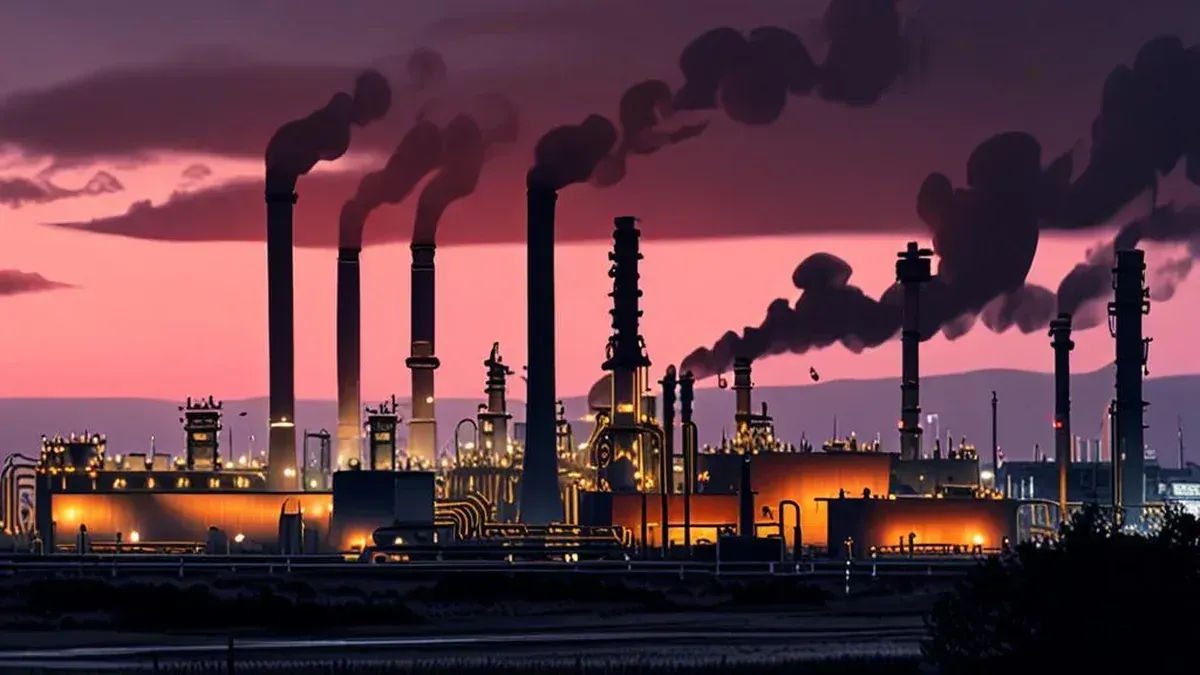
Ukrainian President Volodymyr Zelenskyy has stated that Kyiv is prepared to halt its long-range drone strikes on Russian energy infrastructure if international partners provide assurances that Moscow will stop hitting Ukrainian facilities, power grids, and food supply routes. The position emerged on Monday following public comments by United States President Donald Trump urging Ukraine to cease targeting Russian diesel refineries to alleviate a global fuel squeeze.
Speaking at his golf course in Doonbeg, Ireland, Trump contended that Ukrainian strikes were driving a global diesel shortage that was hurting international markets. However, Ukrainian officials maintain that Russian energy installations are entirely legitimate military targets because the sector directly funds Moscow's ongoing invasion. Hours before Trump's remarks, the Ukrainian military reported a successful strike on the TANECO refinery in Russia's Tatarstan republic, an operation local authorities said resulted in two civilian deaths.
Kremlin Response and Market Pressures
In Moscow, the Kremlin welcomed the American appeal regarding Russian fuel infrastructure. Kremlin spokesman Dmitry Peskov told reporters on a daily conference call that any call on Kyiv to halt attacks on civilian economic infrastructure could only be welcomed. At the same time, Russian officials and market analysts noted that broader disruptions in global energy markets stem largely from instability and renewed conflict escalation in the Persian Gulf rather than the eastern European front alone.
Russia has faced severe domestic fuel shortages following months of sustained drone attacks against its refining capacity, prompting Moscow to restrict fuel exports. Kpler data indicates that Russian fuel oil exports dropped to 591,000 barrels per day in August, down from a 2025 average of 860,000 barrels per day. The resulting supply squeeze caused multiple regional petrol stations, including dozens in St Petersburg, to run dry, creating long customer queues ahead of parliamentary elections scheduled for September 18 to 20.
Global Economic Fallout and US Fuel Costs
Energy markets have faced intense turbulence driven by compounding conflicts. Alongside the damage to Russian facilities, U.S. and Israeli military escalations in the Middle East have pushed crude and fuel prices upward. The Strait of Hormuz has experienced major disruptions, and a drone attack on Thursday knocked Saudi Arabia's East-West pipeline offline.
In the United States, retail fuel prices have reached historic highs, with diesel climbing nearly 65 percent since February and trading at a national average of $6.20 a gallon. Regular gasoline has risen about 45 percent to $4.31 a gallon over the same timeframe. Industry analysts note that while halting Ukrainian drone strikes might offer brief short-term relief, the primary driver of high fuel costs remains tied to Persian Gulf hostilities and Middle Eastern supply losses.
Sources & Citations
Reporting basis: multiple publisher reports; this is not independent verification.
The Indus Pulse is committed to accuracy and transparency.