United States Vice-President JD Vance declined to provide a prospective timeline for the conclusion of ongoing military hostilities with Iran during a White House briefing on September 3, 2026. Dismissing the characterization of the hostilities as a full-scale war, Vance argued that major active combat operations had long concluded, even as Washington and Tehran exchanged renewed rounds of heavy fire across the region.
Speaking to reporters in the James S. Brady Press Briefing Room, Vance sought to downplay the severity of the ongoing confrontation as the seventh month of hostilities approaches. The continuation of military friction has kept global energy markets volatile and created political vulnerabilities for the administration ahead of upcoming midterm elections.
Challenging Conflict Terminology and Timelines
Vance pushed back against the label of war during his remarks, pointing to intervals of relative calm and stating that large-scale combat operations had been limited to an initial six-week window earlier in the year. While acknowledging recent military flare-ups, he argued that current conditions do not fit traditional definitions of active warfare.
When pressed directly on when American involvement or retaliatory strikes might cease, Vance deflected any specific projections onto Tehran's maritime strategy. “When you ask, ‘When will this end?’, you’re asking me a question like: When will the Iranians stop shooting at ships?” Vance told reporters, adding that he could not provide an endpoint because resolution depends entirely on decisions made by Iranian leadership.
Maritime Security and Energy Market Pressures
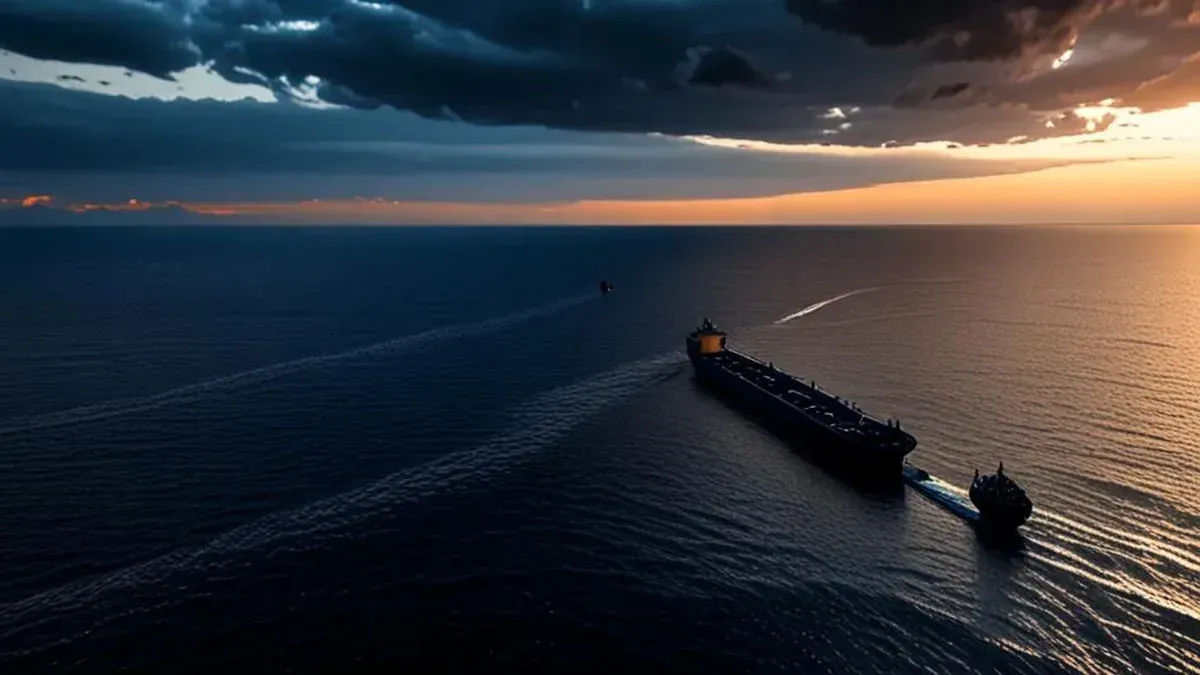
Administration officials continue to frame their military posture around protecting commercial shipping lanes through the Strait of Hormuz, through which approximately one-fifth of the world’s petroleum and natural gas historically moved. Prior to the outbreak of the conflict on February 28, 2026, maritime traffic traversed the waterway unhindered before Iranian forces restricted commercial vessels following initial joint strikes by the US and Israel.
Defense leadership has surged assets into the Middle East, deploying nearly 20 warships to establish a blockade and safeguard transit corridors. Vance asserted that these military operations are gradually reducing the disruption's impact on international markets and credited presidential leadership with preventing a worldwide energy crisis.
Civilian Casualties and Accountability Inquiries
The White House briefing also addressed mounting scrutiny regarding civilian casualties resulting from recent military operations. When questioned about a reported strike that hit a wedding party in the coastal Iranian city of Sirik—an incident reportedly killing at least five people, including children, and injuring nearly 70 others—Vance stated that the military is actively investigating the event.
At the same time, Vance expressed extreme skepticism regarding accounts provided by the Iranian government concerning the strike. The US military maintains that it never targets civilians, mirroring previous denials issued after a high-profile strike on an elementary school in Minab during the opening days of the conflict.
Domestic Political and Military Toll
The protracted nature of the confrontation has exacted a heavy toll on American service members, with approximately 18 US troops killed and 750 wounded as of August 2026. The deployment has also strained military readiness, pulling assets away from European and Indo-Pacific commands while keeping troops stationed overseas past initial timelines.
Administration officials face domestic friction over survivor benefits and electoral pressures as the November midterm elections approach. Vance pledged to personally address concerns raised by military families regarding benefit eligibility rules tied to the formal absence of a congressional war declaration.