
US Curbs China's Remote Access to AI Chips Amid Nvidia Scandal
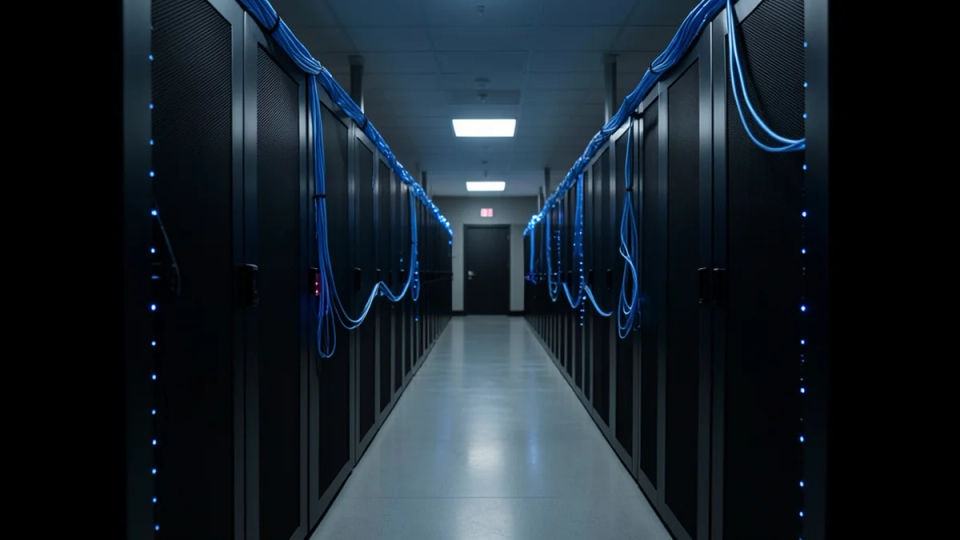
The Trump administration has introduced new export controls designed to stop Chinese artificial intelligence firms from remotely accessing advanced US chips through overseas data centres, following an alleged espionage scandal at Nvidia, according to Al Jazeera and The Hindu. Announced on Monday by the Commerce Department's Bureau of Industry and Security (BIS), the rule designates Singapore, Malaysia, Thailand, Indonesia, and Brazil as destinations with an "unacceptable risk of diversion" and requires export licences to ship advanced chips there, Al Jazeera reported. In addition, data centres anywhere globally will now require a US licence to supply large volumes of advanced-chip computing power to companies headquartered in China, Macau, or other nations under US arms embargoes, according to The Hindu.
Nvidia Fallout and Megaspeed Investigation
The restrictions follow the resignation last week of Nvidia chief executive Jensen Huang during a board inquiry into claims of a romantic relationship with Alice Huang, a former executive at Singapore-based data centre firm Megaspeed, Al Jazeera and The Hindu reported. The New York Times reported on November 8 that some inside the US government suspected Alice Huang, who has not publicly commented, of being recruited for espionage by China's Ministry of State Security, according to The Hindu and Al Jazeera. Beijing rejected the spying allegations from unnamed US officials as "entirely groundless, speculative and intended to smear and malign China," Al Jazeera reported. Late Monday, the US Commerce and Justice departments disclosed for the first time a criminal investigation into Megaspeed, noting BIS inspected the firm and interviewed Alice Huang in 2025 after opening a probe in 2024 before the Justice Department took the lead, Al Jazeera reported. US technology stocks dropped sharply on Monday as investors assessed the scandal's impact on AI deployment, according to Al Jazeera.
Singapore Seeks Trusted Access
On Tuesday, November 17, Singapore's ministries overseeing digital development and trade said they are studying the rule, engaging affected firms, and talking with US authorities to facilitate "trusted access" for Singapore companies, The Hindu reported. Singapore also stated it does not condone firms using their ties to the city-state to evade foreign export controls, as it works to protect its standing as a rules-based business hub, according to The Hindu. Meanwhile, BIS said the measure extends existing China licensing rules while supporting legitimate commercial use of American computing technology, Al Jazeera reported. Previously, a loophole had allowed Chinese companies to rent AI computing capacity from Southeast Asian data centres operating US hardware barred from direct export to China, according to The Hindu.
Background
Data centers already supplying significant compute to covered entities before publication must secure a BIS license within 90 days of the rule's effective date to continue service, according to Unite.AI.
Aggregate TPP is defined by BIS as the sum of total processing performance across chips counted at one data center or across linked data centers that share workloads over networks, according to MLQ.ai.
The 117-page rule was posted for public inspection on Monday, November 16, 2026, and scheduled for Federal Register publication and effect on November 19, 2026, with public comments due 60 days later around January 18, 2027, according to MLQ.ai.
A BIS license is required when exporting, reexporting, or transferring advanced chips to any data center worldwide knowingly providing more than 12,000,000 aggregate TPP of computing power to Macau or Country Group D:5 companies, according to MLQ.ai.
Sources & Citations
- Al Jazeera
- The Hindu
- Mlq
- Unite
- PBS NewsHour
- NVIDIA NewsroomPrimary / official