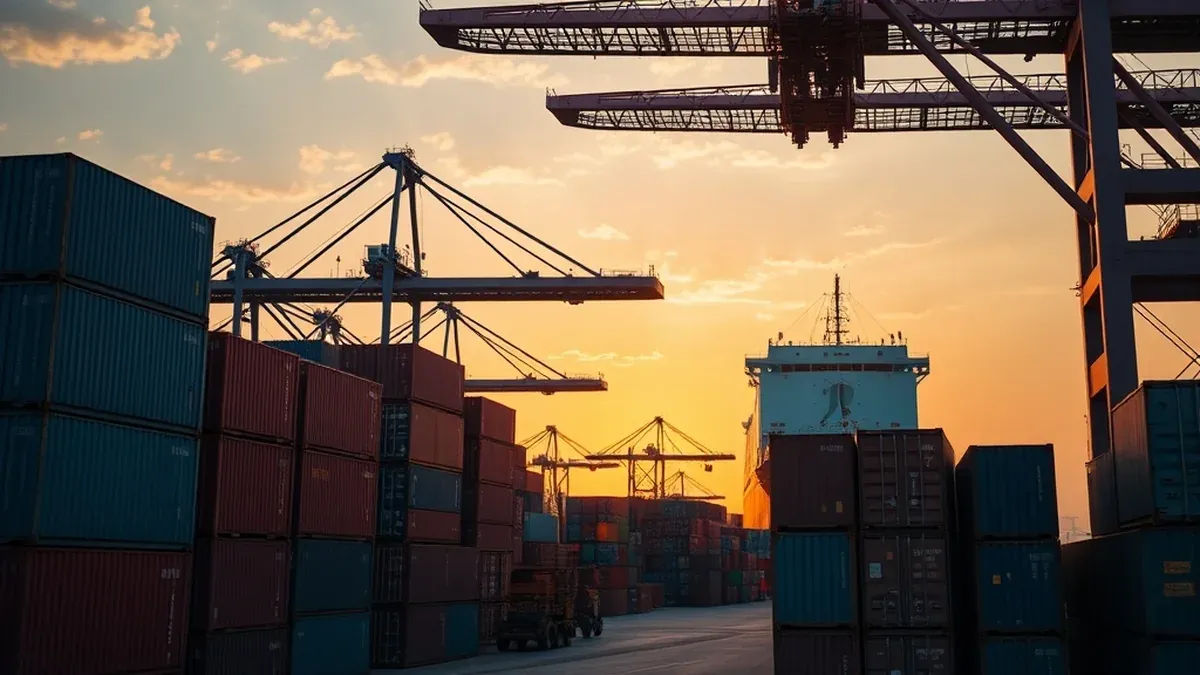
The United States and Iran traded retaliatory naval attacks over the weekend, marking a sharp escalation in hostilities following a week of renewed fighting after a month of relative calm. The US military announced that it had permanently disabled two Iran-linked oil tankers and completely destroyed a third, escalating a six-month maritime confrontation that has effectively closed the strategic Strait of Hormuz to global shipping traffic.
The exchange follows a series of maritime escalations and high-level political rhetoric, with President Donald Trump dismissing the ongoing hostilities as intermittent and "small potatoes." Meanwhile, the expiration of a 60-day ceasefire last month has cleared the path for a hardening of positions, driving up domestic diesel prices in the United States ahead of the November midterm elections and heightening anxiety across energy markets worldwide.
US Central Command Targets Iran-Linked Fleet
US Central Command stated that American forces had permanently disabled two oil tankers, including one vessel operating near Kharg Island, while completely destroying a third in the Gulf of Oman. According to Centcom, the targeted vessels formed part of a multi-billion-dollar shadow network that directly funds the Islamic Revolutionary Guard Corps and its regional proxy network. The military action was initiated after two US warships successfully evaded multiple attacks from the IRGC earlier in the day, which had targeted an American aircraft carrier and a guided-missile destroyer in the region.
Defense Secretary Pete Hegseth underscored the administration's posture on social media, writing that if Iran shoots at US ships, American forces will destroy and sink their oil tankers. Iranian state media outlet Irib confirmed the strikes, reporting that the tanker near Kharg Island suffered no casualties. Kharg Island serves as Iran's primary export terminal, handling approximately 90 percent of the country's crude oil transported via mainland pipelines. Crews aboard the two tankers targeted in the Gulf of Oman were safely evacuated to shore in lifeboats, with state media noting that one vessel was empty while the other carried a cargo of oil.
Tehran Responds with Strait of Hormuz Retaliation
In immediate counter-action, Iran's Islamic Revolutionary Guard Corps launched retaliatory operations against six vessels across the region. According to state reports, the IRGC struck three oil tankers traversing the Strait of Hormuz along unauthorized routes, alongside three additional vessels affiliated with the United States operating in other areas. The IRGC warned international shipping against using unauthorized pathways through the vital waterway, which connects the Persian Gulf to the Gulf of Oman.
The Strait of Hormuz has remained effectively closed to normal marine traffic since the broader conflict erupted in February, serving as a primary instrument of strategic leverage for Tehran. Despite the closure and ongoing exchanges, President Trump insisted that the strait remains open, with US naval forces actively assisting commercial ships in navigating an alternative southern route through Omani waters. This southern pathway bypasses the traditional shipping lanes running through Iranian-controlled territorial waters, which Tehran has heavily restricted throughout the six-month campaign.
Political Fallout and Civilian Casualties Under Investigation
The renewed maritime conflict has intensified political pressure within the United States as energy costs surge for consumers. On Friday, the national average price for a gallon of diesel reached $5.85, compared to $3.71 recorded a year prior, presenting a significant political liability for the administration ahead of the November midterm elections. President Trump has continued to downplay the severity of the engagement, telling reporters on Friday that he regards the hostilities as an intermittent military conflict rather than a full-scale war.
At the same time, diplomatic friction has mounted over civilian casualties resulting from recent operations. Vice-President JD Vance addressed claims by Iranian officials that US strikes had killed at least four civilians, including two children, during a wedding ceremony at a residential home in Sirik. Vance stated that the administration was extremely sceptical of the allegations but confirmed that the United States would investigate the incident. The Iranian Red Crescent Society reported that missile shrapnel struck the home on Tuesday, prompting the government in Tehran to condemn the event as a war crime.
Ceasefire Expiration and Wider Regional Pressures
The latest clashes underscore the complete breakdown of diplomatic arrangements following the expiration of a 60-day ceasefire last month. With little indication of a renewed settlement on the horizon, the conflict has widened beyond maritime skirmishes to include Iranian retaliatory strikes against US regional targets across the United Arab Emirates, Bahrain, Kuwait, and Jordan. In the wake of the ceasefire's collapse, President Trump warned that Washington would implement severe economic sanctions against Iran as well as any international entities or nations engaging in business with Tehran.
The conflict originated on February 28 when the United States and Israel launched wide-ranging initial strikes against Iranian targets, prompting immediate retaliatory bombardment against US bases, allied Gulf states, and Israeli territory. Historically, the Strait of Hormuz carried approximately 20 percent of global petroleum and liquefied natural gas supplies, making its ongoing blockage one of the most economically disruptive aspects of the current confrontation. As military operations persist without a clear resolution, both nations remain locked in a cycle of direct retaliation with global energy stability hanging in the balance.