
Edited by Editor-in-Chief, The Indus Pulse 25 Sept 2026, 02:22 PM 3 min readworldDeveloping
Iran Proposes Seven-Day Plan to Reopen Strait of Hormuz Amid War
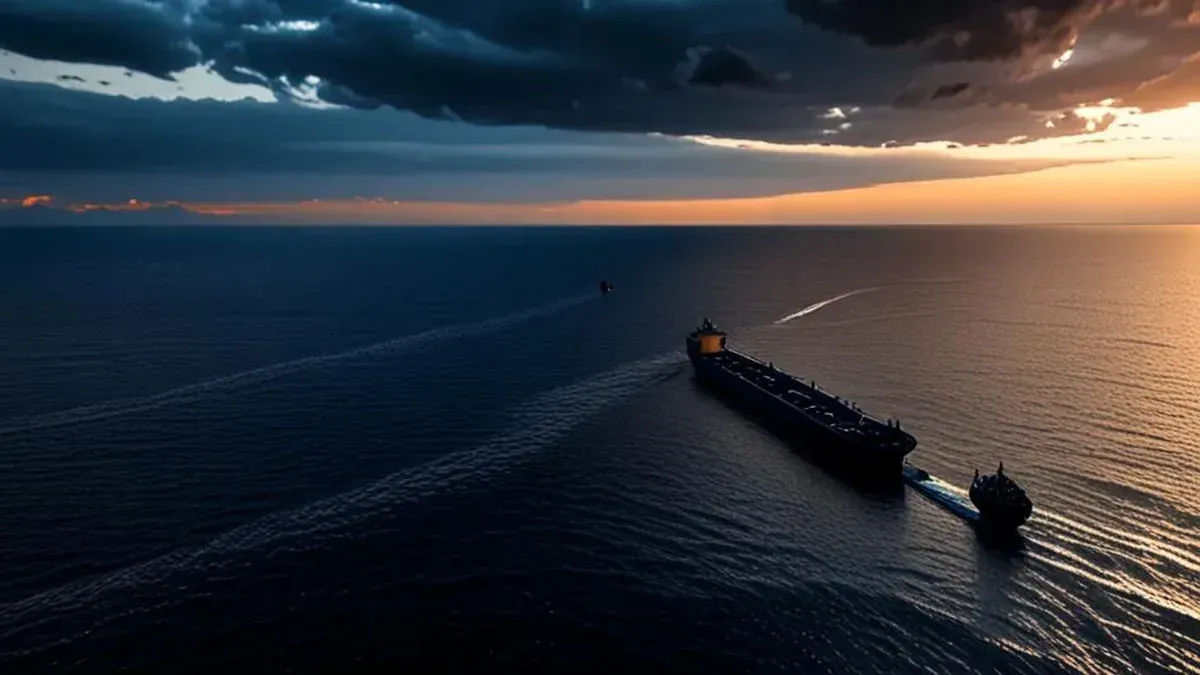
Iran has submitted a new proposal to the United States aimed at reopening the strategic Strait of Hormuz and restarting broader negotiations to end the seven-month-long conflict. Foreign Minister Abbas Araghchi announced the plan on the sidelines of the United Nations General Assembly in New York, stating that if specific conditions are met, the waterway could be reopened within seven days of an agreement. The proposal is modeled after a memorandum of understanding reached in June, which collapsed shortly after its inception.
Under the terms of the previous memorandum of understanding, Iran committed to facilitating free and uncharged commercial vessel passage for sixty days. However, the agreement collapsed after Iranian attacks on commercial vessels and subsequent United States strikes on Iranian territory in July.
Diplomatic Standoff and Leverage
The Strait of Hormuz, a critical maritime chokepoint responsible for approximately one-fifth of global energy transit, has remained largely blocked since February following military strikes by the United States and Israel against Iranian targets. Iran subsequently mined the waterway and restricted transit, leading to a significant reduction in shipping traffic and a global rise in energy prices. While Iranian officials have signaled flexibility regarding transit fees, they maintain that administrative control of the strait remains a non-negotiable priority. Conversely, the United States and its regional partners have consistently rejected any arrangement that grants Iran formal control over the international route.
US Response and Strategic Calculus
US officials have acknowledged that discussions are occurring through intermediaries but have emphasized that Washington is under no pressure to rush into a deal. A White House official stated that the United States remains in a strong position, noting that nearly 22 million barrels of oil successfully transited the strait recently despite the ongoing blockade. The administration has signaled it is content to maintain its current pressure campaign, which includes extensive economic sanctions and a naval blockade, while monitoring the impact on the Iranian economy.
Obstacles to a Lasting Truce
Negotiations remain complicated by the lack of trust between the two nations and the unresolved issue of Iran's nuclear program. While President Masoud Pezeshkian has publicly stated that Iran does not seek nuclear weapons and retains the right to develop peaceful nuclear technologies, Washington continues to demand strict safeguards. Furthermore, the upcoming US midterm elections have introduced a political dimension to the talks. President Donald Trump has publicly pressured Tehran, warning of severe consequences if a deal is not reached, while Iranian leadership has accused the US of using the language of force to coerce negotiations. As of now, both sides remain entrenched, with neither willing to surrender the leverage that has defined the conflict.
The Indus Pulse is committed to accuracy and transparency.