A powerful El Niño weather phenomenon is currently intensifying across the Pacific, with the United Nations warning that it could be the strongest event recorded in four decades. As the climate pattern reaches its peak, it is driving extreme weather conditions globally, ranging from severe droughts in parts of Africa and South America to a surge in tropical cyclone activity across the Pacific Ocean. The World Meteorological Organization (WMO) has cautioned that the phenomenon is near certain to persist through February 2027, creating a heightened risk of climate-related disasters.
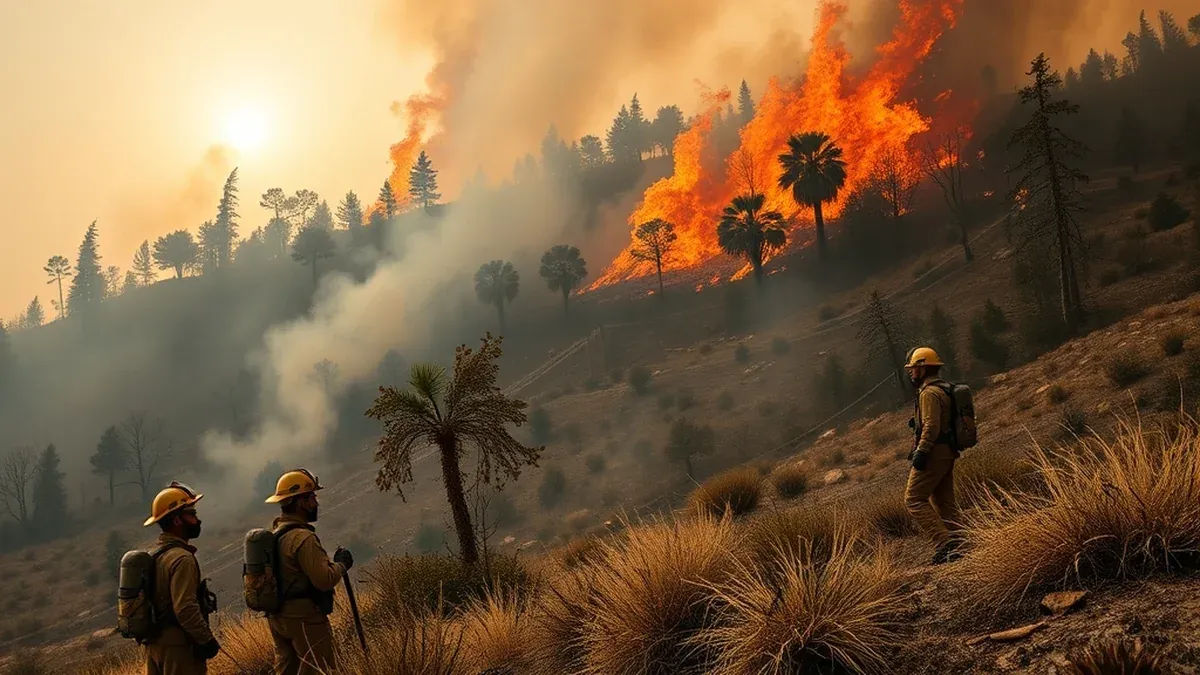
In Southeast Asia, the impact of this 'super' El Niño is already being felt through a severe wildfire crisis. Toxic haze from burning peatlands and forests in Indonesia has spread across the region, affecting millions of people in Malaysia, Singapore, and the Philippines. The pollution levels in some areas have reached more than 15 times the World Health Organization’s recommended safety limits, leading to a significant spike in respiratory infections and other health complications among vulnerable populations, particularly children.
The Human and Health Toll of Regional Haze
The environmental crisis in Indonesia has translated into a direct public health emergency. Between July and August 2026, the Indonesian Health Ministry documented over 50,000 cases of respiratory infections linked to the ongoing land and forest fires. Of these, more than 12,000 cases involved children under the age of five. Residents in affected areas have described the conditions as increasingly dire, with smoke penetrating even sealed homes.
Rizma Nur Fatimah, a 19-year-old teaching assistant in South Kalimantan, reported that the smog inside her classroom was so dense that visibility was severely compromised. In the Philippines, residents as far as 1,300 kilometres from the fire sources have reported symptoms such as itchy eyes, sore throats, and headaches. Dr. Precious Bañas-Melad, a physician in Palawan, noted that even individuals without prior histories of allergies were presenting with acute respiratory and ocular irritation as the smoke drifted across the region.
Peatlands as Carbon Bombs
The severity of the Indonesian wildfires is intrinsically linked to the degradation of the country's vast tropical peatland ecosystems. These areas, which are critical carbon reservoirs, have been drained and cleared over decades for logging, industrial timber estates, and oil palm plantations. Under normal conditions, these waterlogged landscapes store massive amounts of carbon, but the current drought conditions have rendered them highly flammable.
Dr. Nisa Novita, a peatland researcher at the Indonesian conservation NGO Yayasan Konservasi Alam Nusantara, explained the mechanism behind the environmental disaster: "Peatlands are incredibly effective carbon stores because their waterlogged conditions slow decomposition, allowing carbon to accumulate underground for thousands of years. But this also means they can become a 'carbon bomb' when they are drained or burned, because that carbon can be rapidly released into the atmosphere." The recurrence of fires in these same vulnerable areas suggests that the crisis is as much a result of land-use management as it is of the current El Niño-driven drought.
A Rare Trio of Pacific Hurricanes
Beyond the fires in Southeast Asia, the Pacific Ocean is experiencing an unusual surge in tropical cyclone activity. On September 3, 2026, meteorologists tracked a rare trio of hurricanes—Karina, Lowell, and Marie—churning simultaneously across the Pacific. Scientists have attributed this phenomenon to the unusually warm sea surface temperatures caused by the current El Niño, which reduces vertical wind shear and provides the necessary energy for storms to intensify.
Hurricane Lowell, a major Category 4 storm, has posed significant threats to Hawaii, with the National Hurricane Centre warning of life-threatening surf and rip currents. Meanwhile, swells from Hurricane Marie have impacted the coast of Mexico and are expected to reach southern California. Atmospheric scientist Benjamin Kirtman of the University of Miami noted that the sea surface temperature anomaly is near record highs, stating, "There’s no other way to put it – it is juicy out there right now." This cluster of storms mirrors the 2015 El Niño season, which also saw multiple simultaneous tropical cyclones.
Global Economic and Climate Implications
The WMO has emphasized that while El Niño is a natural cycle, its effects are being amplified by a planet already warming due to fossil fuel emissions. The phenomenon is expected to bring disruption to global economies, with sectors ranging from agriculture to water management facing significant challenges. In Peru, the world's largest producer of anchovy, warming seas have already severely impacted production, while in Sudan, the El Niño-linked delay of rains has caused water levels in the Nile to drop precipitously.
As the world enters what the UN has described as a "danger zone of extreme weather," governments are scrambling to manage the fallout. Indonesia’s forestry minister, Raja Juli Antoni, stated that the country is entering a critical phase, noting that September represents the peak of the El Niño impact. With the phenomenon expected to last until early 2027, the international community faces a prolonged period of climate-driven instability that threatens both human health and global food security.