
13 Sept 2026, 07:20 PM 4 min readworldDeveloping
UK Devolved Leaders Gather in Cardiff to Sign Joint Self-Determination Declaration
Sources & Citations
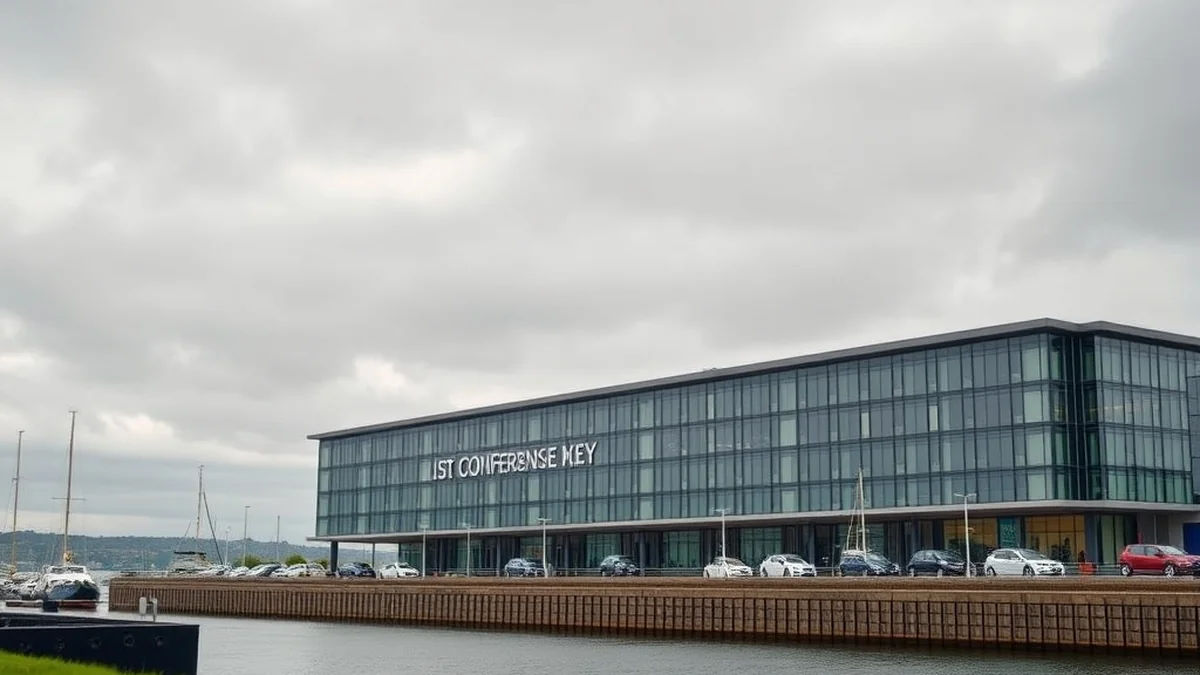
The leaders of Scotland, Wales, and Northern Ireland are converging in Cardiff for an unprecedented summit to sign a joint declaration demanding the constitutional right to hold independence referendums. The high-stakes gathering brings together Scottish First Minister John Swinney, Welsh First Minister Rhun ap Iorwerth, and Northern Ireland First Minister Michelle O'Neill, alongside Sinn Féin president Mary Lou McDonald, at the St David's Hotel overlooking Cardiff Bay.
The coordinated move follows recent political realignments that have placed pro-separation parties at the head of all three devolved administrations for the first time in history. The timing of the summit has intensified pressure on British Prime Minister Andy Burnham after remarks he made in the House of Commons regarding democratic consensus opened a fresh constitutional debate across the union.
Cardiff Summit and the Joint Declaration Strategy
The leaders are scheduled to formalize a memorandum of understanding establishing structured cooperation across four key policy domains: the economy, energy, European relations, and self-determination. According to participating officials, the joint declaration asserts that the existing constitutional arrangement governed from Westminster is unsustainable.
A Plaid Cymru source emphasized that the collaborative framework is designed to advance shared interests where cooperation can tangibly improve regional outcomes. Beyond constitutional self-determination, the participating parties intend to challenge the prevailing economic model of the United Kingdom and pursue independent pathways toward European Union alignment.
Fallout From Westminster and Prime Minister Burnham's Position
The constitutional showdown was catalyzed by comments made by Prime Minister Andy Burnham during Prime Minister's Questions, where he indicated openness to a future Scottish independence referendum if backed by clear public consensus. Separatist leaders seized upon the remarks as a sign of weakening resolve within Westminster.
In response to mounting pressure, Burnham dispatched a formal letter to John Swinney clarifying that another referendum remains strictly off limits. Citing the Labour Party's 2024 general election manifesto, the Prime Minister insisted that his administration's focus is firmly centered on economic growth and supporting families with living costs rather than constitutional division.
Nationalist Gains Across the Devolved Nations
The unprecedented alignment of nationalist and pro-independence administrations reflects sweeping shifts in regional politics over recent electoral cycles. In Wales, Plaid Cymru surged to become the largest party in the Senedd following electoral setbacks for Labour, propelling Rhun ap Iorwerth into the office of First Minister.
the Scottish National Party maintains its dominant standing at Holyrood despite minor seat adjustments, and Sinn Féin continues to anchor the political landscape in Northern Ireland following historic legislative milestones. A source close to John Swinney asserted that Westminster leadership has misread the constitutional landscape, warning that unionists should be deeply concerned by the shifting momentum.
Good Friday Agreement and International Pressure
The push for regional self-determination has also drawn significant international attention, notably from United States President Donald Trump. During a visit to Dublin, Trump expressed public support for Irish reunification, describing a united Ireland as a fantastic outcome that would happen eventually.
In Northern Ireland, the potential pathway toward a border poll is governed by the 1998 Good Friday Agreement, which mandates a referendum if public sentiment indicates a likely majority favoring departure from the United Kingdom. Sinn Féin representatives maintained that the international climate and existing legal frameworks create a viable opening to begin serious preparation for constitutional change.
Economic Demands and Devolved Powers
Alongside the push for independence referendums, the Cardiff summit is expected to address substantive fiscal demands directed at Westminster. Plaid Cymru is preparing to press the central government for expanded devolved authorities over taxation, public spending, and police funding.
Specific fiscal demands include securing control over revenues generated by the Crown Estate, particularly seabed territories utilized for commercial offshore wind energy installations. Additionally, regional leaders are anticipated to challenge the current operation of the Barnett Formula in favor of more equitable financial settlements for the constituent nations.
Sources & Citations
The Indus Pulse is committed to accuracy and transparency.