
Trump Threatens Tax and Ban on US Firms Building AI Data Centres Abroad
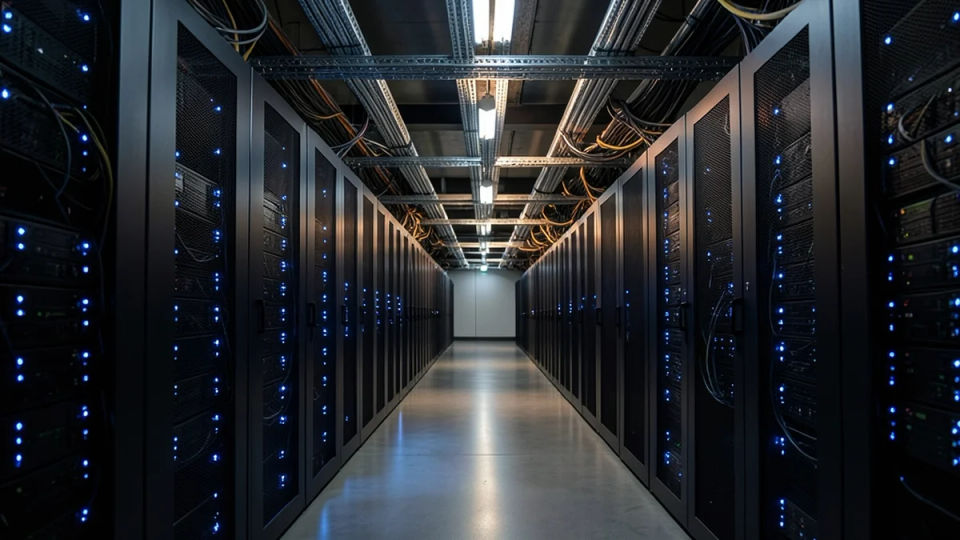
US President Donald Trump threatened on Friday, November 20, 2026, to bar American technology companies from building artificial intelligence data centres overseas and impose a "tremendous tax" on firms that do so. Speaking at a White House briefing after returning from Asia, Trump said he had not yet discussed the idea with his own cabinet officials.
Keeping AI Infrastructure in the United States
"We're not going to allow our companies to build data centres outside of our country," Trump told reporters, warning that "China will take all of them" and stating the US would not let China beat it in AI, which he called super intelligence. Trump specifically criticised Google's September announcement of a 13 billion euro ($15 billion or 11 billion pound) AI infrastructure investment in Finland that includes three data centres, two of which had construction halted last month over concerns about clearing more than 300 hectares of forest. He also voiced respect for artificial intelligence developer Anthropic and stated that he and Chinese President Xi Jinping agreed to set up joint AI guardrails. Canadian Artificial Intelligence Minister Evan Solomon's office said on November 20, 2026, that it is aware of Trump's comments and will continue working to attract investment, calling data centre capacity critical to national sovereignty, according to CTV News.
The remarks follow new rules issued by Washington on November 16 requiring licences to buy advanced US computer chips and restricting remote access to US chips and servers so officials can monitor whether they serve Chinese companies or are smuggled into China. BBC noted that the chip licensing step will affect South East Asian countries that have invested heavily in data centres where Chinese firms seek to rent computing power.
Midterm Backlash and Community Pushback
According to the Pew Research Centre cited by BBC, the US had about 3,000 data centres as of April, with another 1,500 in approval or construction stages, many located in rural areas and housing advanced chips and servers for AI programmes such as Claude and ChatGPT. Concerns over energy consumption and noise pollution helped Democratic candidates promising tougher data-centre regulation win control of Congress in the November 3 midterm elections, setting up a tougher regulatory environment even if Trump stalls federal action. Urging communities to welcome domestic builds, Trump told residents they should take advantage of data centres and make developers pay their communities rather than shutting them off. The Straits Times reported that tech firms including Google and Meta are responding to local resistance with greater transparency, fewer taxpayer-handout requests, environmental pledges, and higher community payments, while Canada has moved to attract data-centre projects. Penalties could complicate Canada's domestic AI infrastructure plans, where Meta plans to build a large data centre north of Edmonton and Anthropic has signed a 20-year lease for a campus in Nova Scotia, according to CTV News. Any tax change would require Congress, while export controls on advanced chips are already handled by the Commerce Department, according to MLQ.ai.
Background
Despite lacking legal authority to impose a tax without Congress, Trump has previously imposed tariffs on numerous goods worldwide, some of which have been knocked down by the courts, according to Gizmodo.
The president did not specify the legal authority the government would use, and Congress holds the constitutional authority to impose federal taxes, according to Around Prague.