
Trump Tells Xi That Chinese Support For Iran Is Entirely Unacceptable
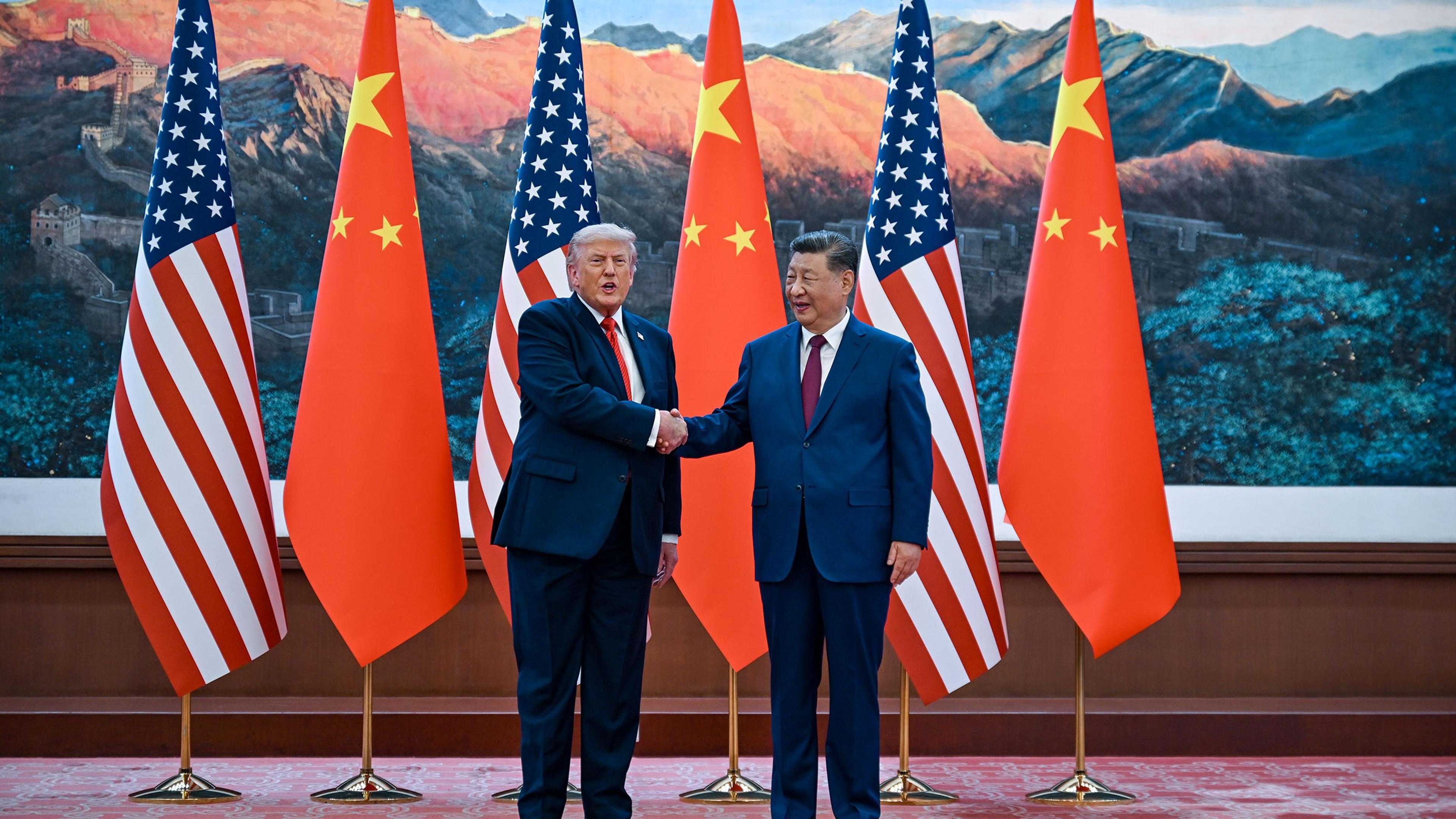
US President Donald Trump informed Chinese President Xi Jinping during White House meetings that any form of assistance provided by Beijing to Iran is completely unacceptable. US Ambassador to China David Perdue stated that Washington delivered this explicit warning during high-level state talks, emphasizing that direct or indirect backing violates American security interests amid the ongoing Middle East conflict.
The diplomatic engagement between the two leaders addressed multiple contentious subjects, including bilateral trade, artificial intelligence policy, and regional security in the Middle East. According to administration officials, the discussions yielded specific diplomatic alignments regarding Iran's nuclear ambitions and maritime passage through vital commercial corridors.
Beijing Assurances and Indirect Aid Concerns
Ambassador Perdue noted that Washington received assurances from Beijing on September 24 indicating that China would halt assistance to Tehran, with American authorities observing early signs of compliance. However, US officials maintained concerns regarding indirect support networks, pointing to prior intelligence assessments involving dual-use components and surveillance technology.
Previous reporting highlights that Washington penalized three Chinese satellite imagery providers in May over intelligence sharing that facilitated targeting against US positions. Investigative reports from media outlets have also cited electronic components supplied to Iran for drone and missile guidance systems, alongside satellite data supporting maritime threats in the Strait of Hormuz.
Strategic Agreements on Nuclear Weapons and Navigation
Despite ongoing friction over indirect supply chains, Perdue confirmed that Trump and Xi reached fundamental consensus on nuclear proliferation matters. Both leaders agreed that Iran will never be permitted to develop or acquire a nuclear weapon, reinforcing prior diplomatic frameworks established earlier in the year.
The high-level talks also addressed maritime security in the Persian Gulf. Perdue stated that commitments were secured to keep the Strait of Hormuz open to international navigation, ensuring that no entity would be permitted to levy tolls or restrict commercial transit within the strategic waterway.
Background on Diplomatic and Military Developments
The ongoing diplomatic pressure follows months of direct military conflict in the region, which began when the United States and Israel launched coordinated attacks against Iran on February 28. In June, Washington and Tehran signed a memorandum of understanding designed to halt hostilities, reopen maritime shipping lanes, and initiate formal talks regarding Iran's nuclear infrastructure.
Ambassador Perdue emphasized that discussions concerning Iran remain an independent priority for the White House, separate from other contentious bilateral topics such as Taiwan. Private diplomatic channels between Washington and Tehran are expected to continue as the administration monitors compliance with recent commitments.
Sources & Citations
The Indus Pulse is committed to accuracy and transparency.