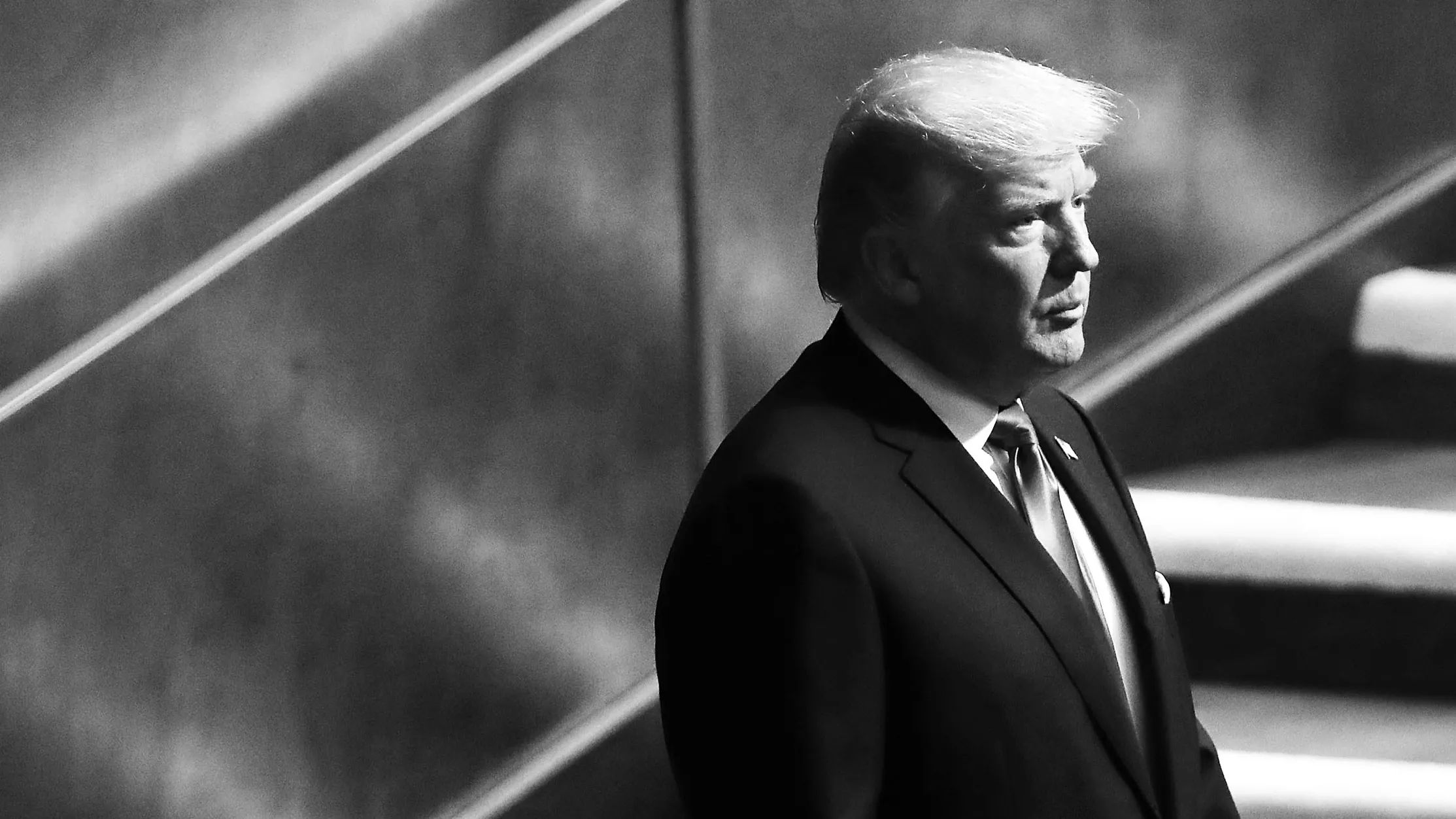
Speaking at the Republican National Committee midterm convention in Dallas, Texas, U.S. President Donald Trump has pledged to distribute a 5,000 dollar payout to every adult American citizen if the Republican Party wins control of both chambers of Congress in the upcoming November elections. The proposal, which Trump has labeled the "Trump dividend," represents an unprecedented financial promise tied directly to a legislative election outcome. Trump urged his supporters at the convention to "pretend" he was on the ballot himself, framing the midterms as a direct referendum on his economic leadership.
The announcement comes at a critical juncture for the Republican Party, which is currently trailing the Democratic Party in national polls ahead of the November vote. By offering a direct cash incentive to voters, Trump is attempting to shift the electoral narrative toward household spending power. However, the proposal has immediately drawn sharp criticism from Democrats, who dismissed it as an empty and legally dubious campaign promise, while economists and legal scholars have raised serious questions regarding its feasibility, funding, and legality under federal election laws.
The Mechanics and Scale of the Trump Dividend
The financial scale of the proposed payout is immense. With approximately 270 million adult citizens in the United States, a flat 5,000 dollar distribution to every individual would require a total federal outlay of approximately 1.2 trillion to 1.3 trillion dollars. This massive sum would significantly expand the national debt or require unprecedented reallocations of the federal budget, yet Trump offered no specific details during his address on how the program would be funded or administered.
When addressing the source of the funds, Trump offered only a vague assurance, stating that "our country is making so much money" without citing specific revenue streams or economic indicators to back up the claim. He did, however, specify a strict condition for the payout, declaring that the money must be spent entirely within the United States. "We don't want you going to Canada to spend the money," Trump told the cheering crowd in Dallas. "We don't want you going to China, to Germany. You got to spend the money in the United States of America." The administration has not clarified how such localized spending restrictions would be monitored or enforced.
Legal Hurdles and the Vote Buying Debate
The conditional nature of the payout, which is explicitly contingent upon a Republican victory in both the House of Representatives and the Senate, has sparked immediate legal controversy. Federal statutes strictly prohibit offering financial rewards or payments intended to influence how citizens cast their ballots. Critics argue that promising a specific cash sum to voters on the condition that they elect a particular political party constitutes a direct violation of these anti-bribery laws.
Conversely, some legal experts suggest that Trump's proposal may occupy a legal gray area. They argue that the promise can be interpreted as a broad policy platform, akin to a traditional campaign pledge to cut taxes or reform entitlement programs, both of which are fully legal. Furthermore, such campaign rhetoric is often protected under the broad free-speech provisions of the First Amendment of the U.S. Constitution. The strategy of promising financial relief for electoral support is not entirely without precedent in recent American politics: during the Covid-19 pandemic, Democratic candidates in Georgia campaigned on the promise of delivering 2,000 dollar pandemic relief checks if their party secured control of the Senate.
Economic Pressures and the Conflict with Iran
The proposal arrives during a period of severe economic strain for American households, driven in large part by rising consumer prices. This inflationary pressure has been severely exacerbated by the ongoing military conflict between the United States, Israel, and Iran, which began in February 2026. The conflict has disrupted global energy markets and directly impacted the cost of living for average Americans, putting pressure on the administration to find ways to bolster domestic purchasing power.
A central driver of these rising prices is the near-total closure of the Strait of Hormuz, a critical maritime chokepoint where approximately one-fifth of the world's oil and liquefied natural gas previously transited. Iran's retaliatory actions, which have included targeted attacks against U.S. military bases and regional allies in the Gulf, have caused severe fluctuations in global oil prices. Despite growing pressure from within his own party to bring the military engagement to a swift conclusion, Trump defended the campaign in Dallas, arguing that the short-term economic pain of high energy costs is a necessary sacrifice to prevent Tehran from successfully developing nuclear weapons.
Midterm Strategy and Political Positioning
The Dallas convention, marking the first time the Republican Party has held a national convention in the middle of a presidential term, served as a high-stakes platform for Trump to rally an anxious base. The long address focused heavily on the standard of living of average Americans, a theme that resonated strongly with the attendees. By tying the 5,000 dollar dividend directly to congressional control, Trump is attempting to nationalize the midterm elections and bypass local legislative dynamics.
Trump also used his speech to manage expectations regarding the ongoing war in the Middle East, warning his supporters that the conflict would not end before the November midterms, and consequently, oil prices would not decline until after the votes are cast. This timeline effectively positions the proposed dividend as a post-election economic cushion designed to offset the prolonged financial strain of the war. The strategy seeks to convert public frustration over inflation into electoral momentum for Republican congressional candidates.
Implementation Questions and Congressional Authority
Under the U.S. Constitution, the authority to authorize federal spending and allocate treasury funds rests solely with Congress, not the executive branch. In his Dallas address, Trump did not specify whether he would seek formal legislative approval for the "Trump dividend" or attempt to implement the payouts through executive action. Even with a Republican-controlled House and Senate, passing a 1.3 trillion dollar spending bill would face significant legislative hurdles, including potential filibusters in the Senate and resistance from fiscal conservatives within the party.
As the campaign enters its final weeks, the administration has yet to release any formal policy papers detailing the legislative path for the dividend, the mechanism for verifying the citizenship of recipients, or the methods for restricting the funds to domestic purchases. The proposal remains a central, highly contested talking point of the Republican midterm campaign, with its ultimate viability dependent entirely on the outcome of the November elections and subsequent legislative battles in Washington.