
Russian Bombing Kills 29 at Ukrainian Aid Distribution Centre
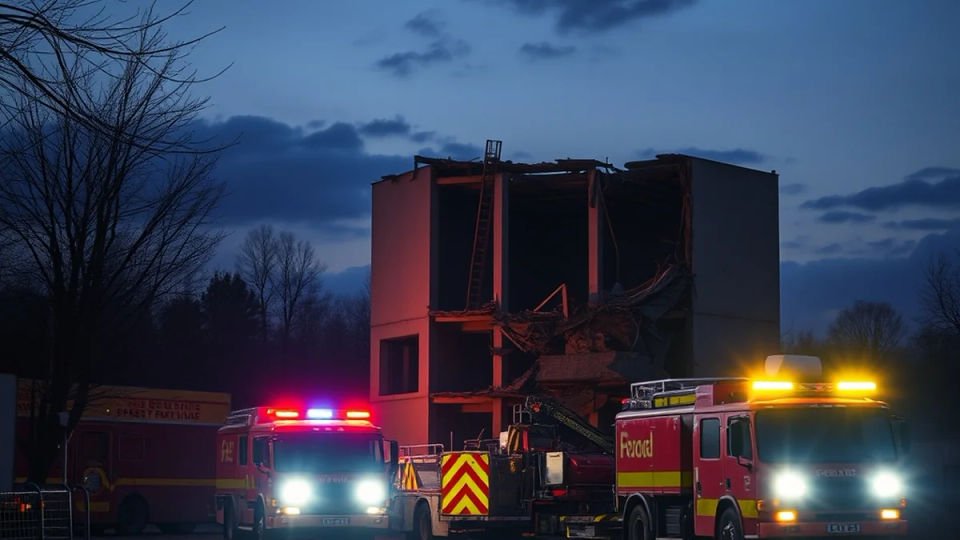
At least 29 people died after Russian aerial bombs struck a humanitarian aid distribution centre in southern Ukraine. The attack targeted the settlement of Komyshuvakha in the Zaporizhzhia region on Monday, November 2, 2026, prompting Ukrainian officials to denounce the bombardment.
Ukrainian President Volodymyr Zelensky stated that Russian forces carried out an initial strike against a school building repurposed for aid distribution, followed by a secondary strike against an underground shelter where civilians sought protection. Regional head Mykhailo Semikin reported on Tuesday that the death toll climbed to 29 as emergency personnel continued search operations amid the debris.
Russian forces employ guided aerial bombs fitted with deployable wing kits that travel tens of kilometers to strike front-line areas while aircraft remain outside air defense range, according to The Kyiv Independent.
Evolving Casualty Count and Emergency Response
Initial casualty estimates released shortly after the strikes indicated that 18 individuals had lost their lives in the village. Ukraine's State Emergency Service later reported that 24 fatalities had been documented at the scene, including two rescue workers and four police officers.
During an evening video address, Zelensky reported that verified deaths had increased to 26 people as rescue operations progressed through the night. Semikin stated that the count reached 29 fatalities on Tuesday, adding that 10 civilians sustained injuries and 48 people remained missing after nine 3,000kg aerial bombs hit the settlement.
Emergency teams continued clearing smouldering debris across the destroyed school facility. Video footage shared by Ukrainian authorities showed deep craters and collapsed building structures across the former humanitarian aid hub.
Humanitarian Hub Operations and Strike Timing
In his daily public address, Zelensky pointed out that humanitarian food and aid provisions were distributed to village residents at that specific site every Monday.
The strike occurred shortly after the expiration of a localized ceasefire across southern Ukraine that had concluded on Sunday without reported violations. The temporary pause in fighting had been mediated by US First Lady Melania Trump to permit a humanitarian relief mission to reach the Russian-occupied city of Oleshky.
The humanitarian ceasefire in Oleshky began on October 27, 2026, and concluded on November 1, 2026, delivering critical aid and evacuating nearly 800 people.
Disrupted Truce and Renewed Bombardments
The expiration of the five-day truce was followed within hours by renewed aerial assaults targeting communities in Zaporizhzhia and neighbouring Kherson.
Kyiv reiterated calls for enhanced air defense support to shield frontline humanitarian hubs and civilian transit facilities against heavy glide-bomb strikes. Search teams in Komyshuvakha continued working to locate the dozens of residents who remained unaccounted for beneath the rubble.