
13 Sept 2026, 01:20 PM 5 min readworld
Rescue Teams Advance in Nepal Hydropower Tunnel After Deadly Flash Floods
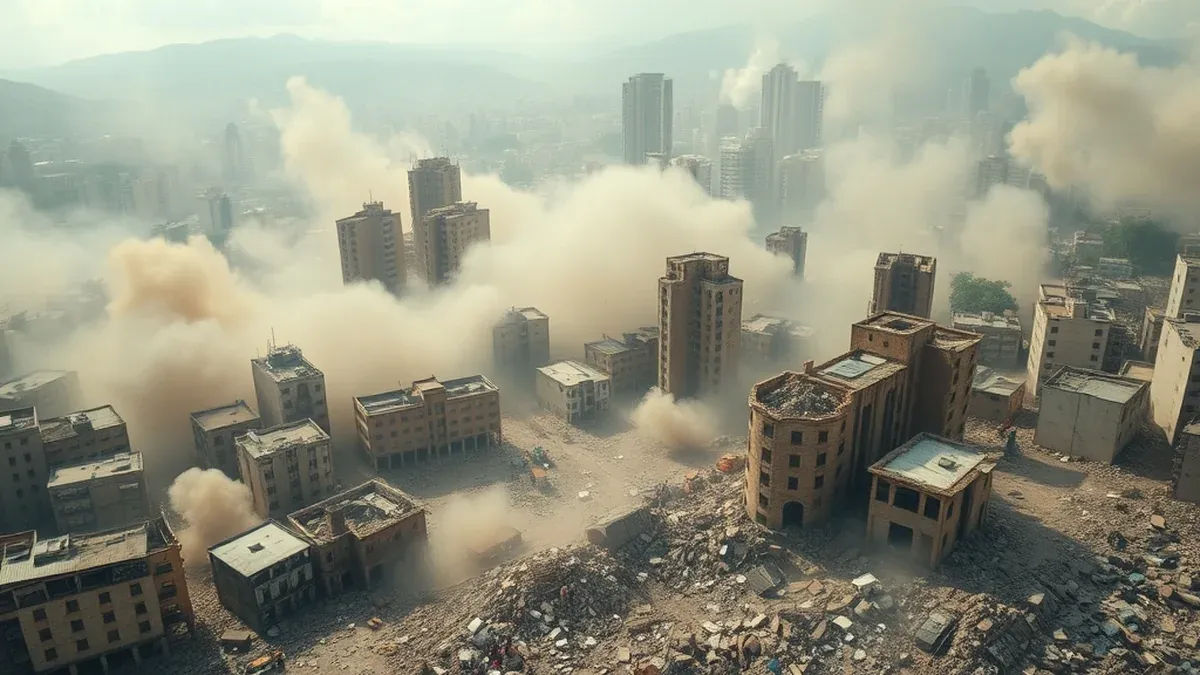
Rescue teams in Nepal are engaged in a critical, high-stakes operation to reach six workers trapped inside a tunnel at the Chilime hydropower project. The effort, which involves a joint deployment of Indian and Nepali personnel, has gained momentum following the successful clearance of 70 metres of mud and debris using heavy machinery, including excavators and loaders. According to India's Ambassador to Nepal, Naveen Srivastava, the teams are pushing toward an underground powerhouse where the workers are believed to be located, with approximately 60 metres of tunnel remaining to be cleared.
The ongoing rescue mission follows a catastrophic series of flash floods that struck northern and central Nepal on August 26, 2026. Triggered by a massive glacial mountain collapse near the China-Nepal border, the disaster sent torrents of water and debris down the Bhotekoshi River, causing widespread destruction to infrastructure and claiming at least 1,429 lives. With more than 5,640 people still reported missing, the situation remains dire, as authorities estimate that nearly 100 individuals may still be trapped in various hydropower tunnels across the affected region.
Intensified Operations at the Chilime Site
The rescue operation at the Chilime project has been significantly bolstered by the deployment of specialized equipment. Ambassador Srivastava confirmed that the arrival of an excavator, a loader, and a Bobcat has allowed technical teams to accelerate their progress through the debris-choked tunnel. The teams are working continuously, including through the night, to reach the underground powerhouse. While reports have indicated that rescuers discovered a pocket of air in the vicinity where the workers are thought to be, officials have cautioned that this does not confirm the survival of the trapped individuals or that direct contact has been established.
Logistical support has been a primary focus for the authorities managing the site. The Border Roads Organisation has been tasked with preparing the approach road to the rescue site, while the Nepal Army has successfully constructed over a kilometre of access road from Syafrubesi. This infrastructure development is essential for moving heavy machinery closer to the tunnel entrance, which had been rendered inaccessible by the initial impact of the floodwaters.
A Survivor's Account of the Disaster
The scale of the tragedy is underscored by the harrowing experience of survivors like Sanjay Sah, a 30-year-old hydropower worker who spent 10 days trapped in a flooded tunnel before being rescued on September 4. Recalling the moment the disaster struck, Mr. Sah described the flood as having tsunami-like waves that arrived with little warning. Despite efforts to evacuate colleagues, the speed of the water overwhelmed the facility, forcing workers to seek shelter in the dark, isolated tunnels.
Mr. Sah survived by drinking muddy water and maintaining his resolve through prayer. His account highlights the extreme conditions faced by those caught in the tunnels, where isolation and darkness were constant threats. He was eventually found alongside another survivor, Kabir Maharjan, after search teams painstakingly excavated the area. Mr. Sah has since urged the government to persist in its search efforts, holding onto the hope that others might still be found alive or that their remains can be recovered for their families.
Broader Impact on Hydropower Infrastructure
The disaster has had a devastating effect on Nepal's hydropower sector, with multiple projects suffering severe damage. The Nepal Army has prioritized search-and-rescue operations at several sites, including the Upper Trishuli-3B hydropower project, where more than 100 personnel have been deployed to clear debris and search for missing workers. The widespread nature of the damage has stretched the capacity of rescue teams, who are navigating complex, unstable environments to reach those still unaccounted for.
Government officials have pointed to the impact of rising global temperatures on Nepal's Himalayan mountains as a primary driver of the glacial collapse that triggered the floods. The sheer volume of water and debris, which swept away homes, bridges, and roads, has created a humanitarian crisis of significant proportions. As the search continues, the focus remains on the delicate balance between clearing debris and ensuring the safety of the rescue personnel working in the unstable tunnels.
Ongoing Search and Recovery Efforts
While the rescue of Mr. Sah and one Chinese worker on September 5 provided a brief moment of hope, no further signs of life have been reported in the tunnels since that time. The search-and-rescue teams continue to operate under difficult conditions, with the threat of further instability within the tunnels remaining a concern. The coordination between Indian and Nepali forces reflects the regional scale of the disaster and the necessity of pooling resources to manage the recovery process.
As the operation enters its next phase, the primary objective remains reaching the powerhouse at the Chilime project. Authorities have not provided a definitive timeline for the completion of the clearance, but the commitment to working through the night suggests an urgent push to resolve the situation. The families of the missing continue to wait for news, while the government faces the long-term challenge of assessing the damage to the country's critical energy infrastructure and addressing the underlying environmental risks that led to the disaster.
The Indus Pulse is committed to accuracy and transparency.