Indian Defence Minister Rajnath Singh arrived in Colombo on Tuesday, September 8, 2026, for a landmark three-day official visit aimed at expanding bilateral defence cooperation and regional maritime security. The high-profile trip marks the first time an Indian defence minister has visited Sri Lanka in 38 years, signaling a major intensification of strategic ties between the two South Asian neighbors. Leading a high-level delegation of senior officials from both the Ministry of Defence and the Ministry of External Affairs, Singh's visit is poised to consolidate joint security frameworks in the Indian Ocean.
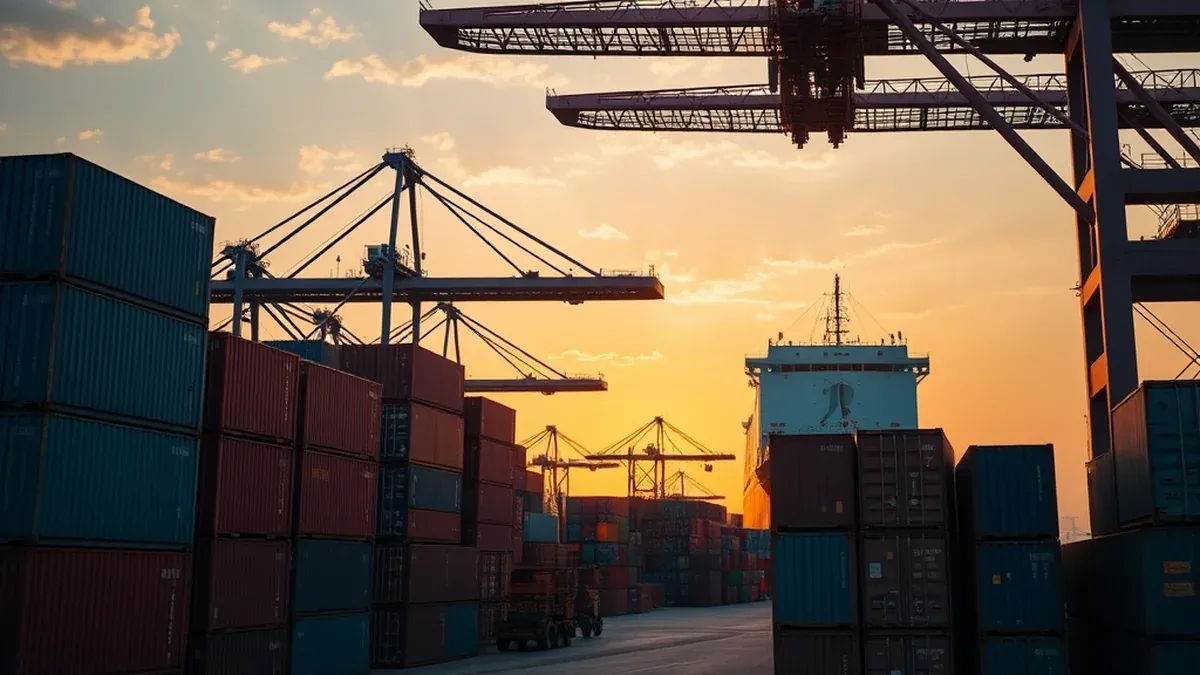
Upon landing at Bandaranaike International Airport, Singh was received with a traditional welcome by Sri Lanka’s Deputy Minister of Defence, Major General Aruna Jayasekara (Retd), alongside the Indian High Commissioner to Sri Lanka, Santosh Jha. Coinciding with the start of the ministerial visit, the Indian Navy’s INS Udaygiri, an advanced indigenous stealth guided-missile frigate, docked at the Colombo port, underscoring the immediate maritime focus of the bilateral engagement.
A Historic Diplomatic Milestone in Colombo
The three-decade-plus hiatus since the last visit by an Indian defence minister highlights the renewed geopolitical priority New Delhi is placing on its southern neighbor. Before departing New Delhi, Singh expressed strong optimism regarding the diplomatic mission, stating on social media that he was "looking forward to a productive engagement with the leadership of Sri Lanka during the visit."
Singh emphasized that the relationship is anchored not only by geographic proximity but by deep-rooted cultural connections. "Besides our longstanding partnership as well as deep historical and civilisational ties, Sri Lanka is one of our most important partners under the Neighbourhood First and MAHASAGAR initiatives," Singh stated. The MAHASAGAR framework—which stands for Mutual and Holistic Advancement for Security and Growth Across Regions—serves as India's primary doctrine for active maritime security cooperation across the Indian Ocean.
Maritime Security and the Arrival of INS Udaygiri
The simultaneous arrival of the INS Udaygiri at Colombo port serves as a practical demonstration of the defense partnership. The Sri Lanka Navy received the advanced stealth guided-missile frigate in accordance with naval traditions, initiating a series of collaborative engagements designed to enhance interoperability between the two maritime forces.
During the ship's port call, Sri Lanka Navy personnel are scheduled to board the vessel for capability familiarisation, knowledge sharing, and specialized onboard training. Additionally, the crew of the INS Udaygiri will participate in goodwill events alongside their Sri Lankan counterparts and visit prominent cultural and tourist sites. This operational exchange is intended to translate high-level diplomatic agreements into practical, ship-level cooperation, reinforcing India's role as a primary security provider in the region.
Rebuilding After Crisis: The Economic and Humanitarian Foundation
The strategic alignment between New Delhi and Colombo has been steadily reinforced by India's recent economic and humanitarian interventions. According to official disclosures from the Indian Ministry of Defence, the bilateral relationship received significant momentum through India's role as a first responder during Sri Lanka's recent economic crisis and in the aftermath of Cyclone Ditwah, which struck the island nation in 2025.
Following the devastation of Cyclone Ditwah, India instituted a comprehensive financial assistance package valued at USD 450 million to support Sri Lanka's post-cyclone reconstruction efforts. This funding was specifically directed toward rebuilding damaged transport infrastructure, restoring housing, rehabilitating educational and healthcare frameworks, reviving local agriculture, and enhancing Sri Lanka's long-term disaster management capabilities. This substantial financial and logistical support has laid a cooperative foundation that has paved the way for deeper military and security integration.
Precursor Military Dialogues and Strategic Alignment
Rajnath Singh's visit is the culmination of a series of high-level military exchanges that took place in the weeks leading up to the Colombo summit. In August 2026, Sri Lankan Navy Commander Vice-Admiral Damian Fernando traveled to India for extensive consultations with top Indian military leadership, including Chief of Defence Staff General NS Raja Subramani.
During those discussions, General Subramani and Vice-Admiral Fernando reviewed existing bilateral defence cooperation and explored new avenues for joint military training and capacity enhancement. Vice-Admiral Fernando also met with Indian Defence Secretary Rajesh Kumar Singh to address the execution of mandates established under the Bilateral Defence Cooperation Plan. Subsequent talks with Indian Navy Chief Admiral Krishna Swaminathan re-emphasized both nations' commitment to preserving peace and stability across the Indian Ocean in alignment with the MAHASAGAR vision.
High-Level Political Exchanges and Regional Stability
Indian High Commissioner to Sri Lanka Santosh Jha noted that the bilateral relationship has entered a phase of unprecedented activity. "If you look at the last 2-3 years, the engagement between India and Sri Lanka has acquired a new intensity," Jha remarked, pointing to the regular exchange of ministerial-level visits between the two capitals.
Jha urged observers to view Singh's visit not merely as a routine defense meeting, but as a significant political event given Singh's senior standing within the Indian government. "He's a very senior leader from India, a person who has been at the helm for many years, and so we are looking at this as part of the larger political-level exchanges between India and Sri Lanka," Jha stated. The High Commissioner added that the consultations will allow both sides to exchange notes on ongoing initiatives and assess the progress of various defense cooperation agreements.
Next Steps in Bilateral Defence Cooperation
Over the remainder of his three-day itinerary, Defence Minister Rajnath Singh is scheduled to hold formal consultations with Sri Lanka's top political and military leadership to review ongoing security initiatives. These discussions are expected to formalize future joint training schedules and address collaborative maritime surveillance operations in the Indian Ocean.
In addition to official state consultations, Singh will interact with the Indian diaspora community in Colombo to reinforce cultural and people-to-people ties. The outcomes of these meetings, alongside the joint training activities onboard the INS Udaygiri, will define the operational roadmap for India-Sri Lanka defense relations heading into the next year.