
Poland Deploys 20,000 Police Officers to Schools Amid Spate of Stabbings
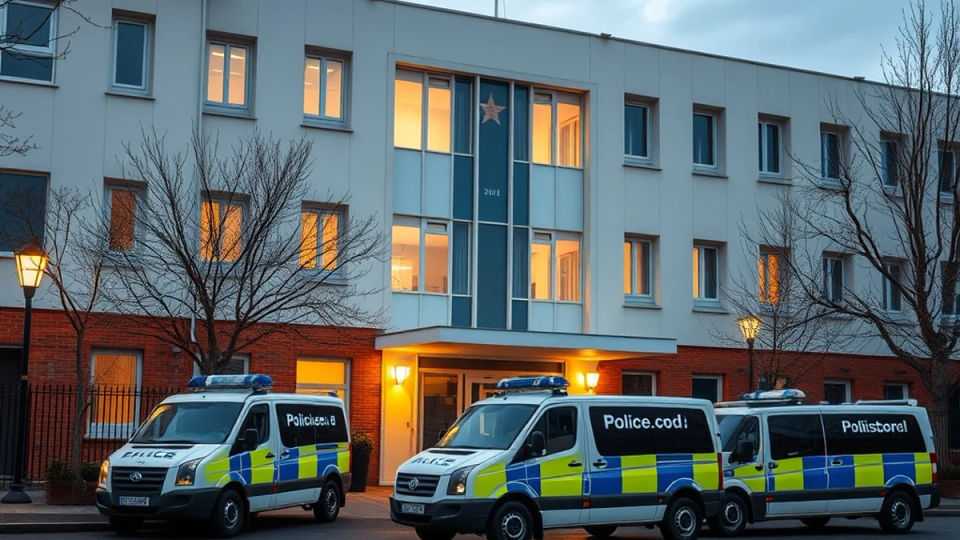
Poland has deployed approximately 20,000 police officers to educational institutions nationwide following a surge in youth violence that included three stabbing incidents over a four-day period. Prime Minister Donald Tusk announced the security mobilization after chairing an emergency crisis meeting, vowing zero tolerance for attacks on children or threats to public order, according to TVP World.
Police reported inspecting roughly 80,000 educational institutions and detaining 135 individuals since Friday as part of the sweeping security operation. Interior Minister Marcin Kierwinski emphasized that authorities intend to send an unambiguous message regarding the protection of schools and public safety.
Recent Violent Incidents and Arrests
The emergency measures follow three separate violent altercations at schools across the country. On Thursday, a 15-year-old former pupil wearing a helmet-mounted camera killed a school caretaker and injured two teachers at a primary school in Leszczydol-Nowiny, northeast of Warsaw. A day earlier, a 19-year-old wounded 10 people, including himself, at a school in Ostroleka. A third incident occurred on Saturday, leaving three people injured at a further education college in Warsaw.
In connection with ongoing investigations, law enforcement officials highlighted a digital security case involving a student who constructed a detailed virtual model of his school within the video game Roblox to simulate attacks. Authorities discovered the boy in possession of firearms, ammunition, and knives.
Official Response and Internet Culture Concerns
While authorities formally dismissed rumors linking the incidents to an organized criminal group or a viral online challenge, Prime Minister Tusk pointed to the broader cultural impact of online content. He stated that society is witnessing a grim trend of youth violence fueled by the glorification of aggression across digital platforms.
What a large police deployment can realistically accomplish
An emergency increase in visible policing can help schools coordinate access and respond quickly, but it does not mean every incident can be prevented by stationed officers. Authorities also need credible reporting channels, mental-health support, trained school staff and a clear approach to rumours circulating online. When several attacks occur close together, similarities should be documented rather than used to assert coordination without evidence. Parents need practical details—whether lessons are continuing, how entrances are controlled and what schools will tell families about credible threats. Deployment figures require a date and explanation of whether they represent officers assigned simultaneously or across shifts and locations.