
Pakistan Imposes Emergency Rule in Khyber Pakhtunkhwa as PTI Clashes With Federal Government
Pakistan's federal government has invoked a state of emergency in the northwestern Khyber Pakhtunkhwa province, bringing an abrupt end to the regional administration led by jailed former Prime Minister Imran Khan's Pakistan Tehreek-e-Insaf party. The extraordinary executive measures, approved by President Asif Ali Zardari and championed by Prime Minister Shehbaz Sharif, were enacted under two constitutional articles governing security crises, according to Newscord.
Federal authorities justified the sweeping intervention by citing the provincial government's alleged deliberate disengagement from counterterrorism efforts. Shortly after the announcement, PTI lawmaker Junaid Akbar confirmed that Khyber Pakhtunkhwa Chief Minister Sohail Afridi and the party's provincial president had been placed under arrest, according to Newscord.
Escalating Tensions and Islamabad March Preparations
The imposition of emergency rule follows weeks of escalating friction between the federal administration and the opposition party. The PTI has been organizing a planned march on Islamabad to demand the release of Imran Khan, who has been imprisoned for more than three years amid numerous pending legal charges. Although the demonstration was initially scheduled for late September before being deferred to October 4, reconciliation talks between government delegations and party leadership ultimately collapsed.
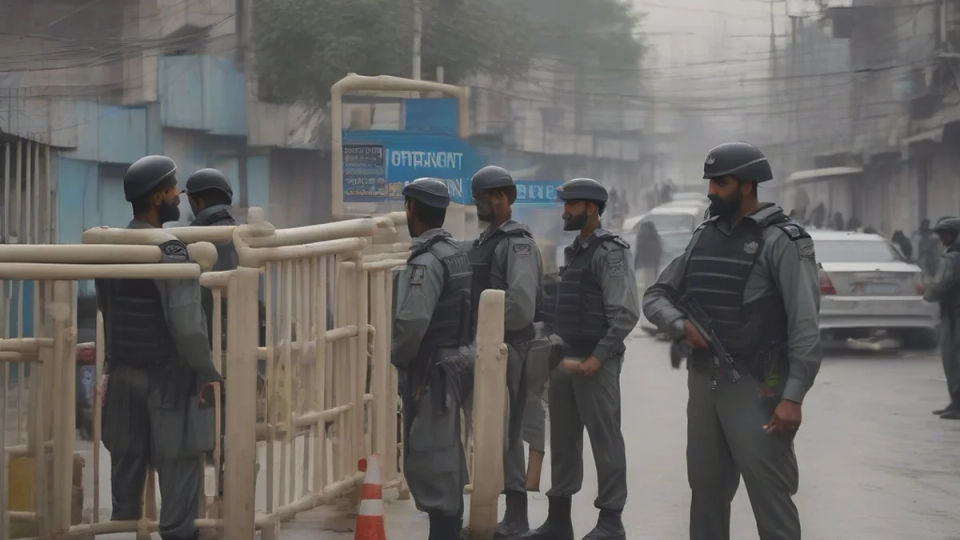
In anticipation of the demonstrations, federal authorities fortified the capital by erecting heavy shipping container barriers across major access corridors to prevent protesters from entering. Law enforcement agencies maintained a high-visibility security footprint across urban centers, with increased deployments observed in Peshawar following the suspension of the regional government.
Political Fallout and Unresolved Confrontation
Opposition leadership condemned the federal takeover as an unconstitutional maneuver. PTI spokesperson Zulfikar Bukhari warned that emergency rule would only provoke further bloodshed and collateral damage, arguing that the government's actions proved it never genuinely intended to pursue meaningful negotiations.
With political channels frozen and the provincial government effectively sidelined, the immediate trajectory depends on whether security forces can contain planned demonstrations. The standoff leaves the country facing heightened political volatility as regional opposition networks react to the suspension of local constitutional governance.
What emergency administration would change
A provincial emergency order affects residents through the legal powers it grants, not merely through a political headline. The key questions are who controls policing, how long exceptional powers last, whether provincial institutions continue operating and what judicial or legislative scrutiny is available. Rival descriptions by federal and provincial politicians need to be attributed rather than presented as settled constitutional findings. For residents and businesses, disruptions to transport, schools, communications and essential services are more immediate than the dispute between party leaders. Any future account should separate the order's formal text from expectations about how aggressively it will be enforced and track court challenges or efforts to negotiate an exit from emergency rule.