
Pakistan Chosen to Chair IMF and World Bank Governors Boards in 2027
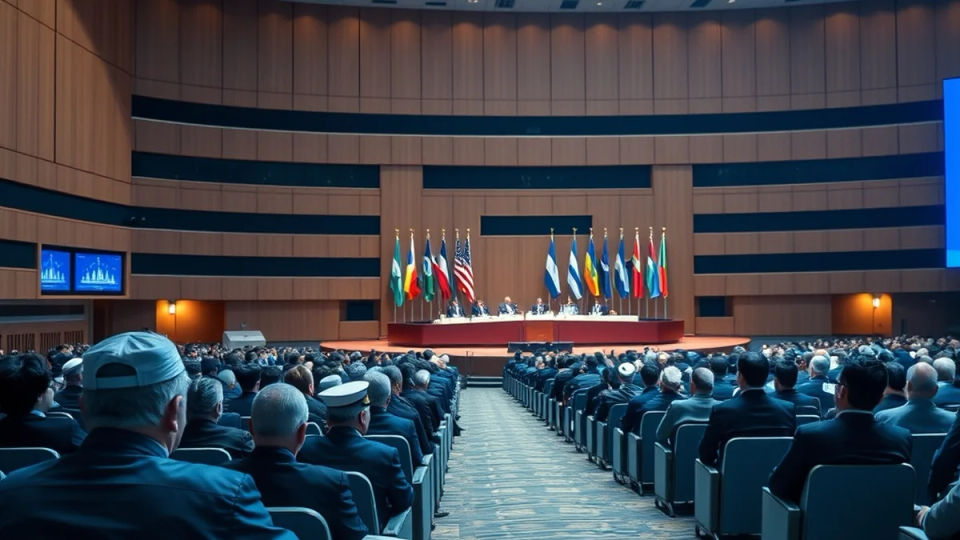
Pakistan has been selected to chair the Boards of Governors of the International Monetary Fund and World Bank Group in 2027. The announcement was made at the institutions' annual meetings in Bangkok on October 16, 2026. Pakistan's federal minister for economic affairs, Ahad Khan Cheema, was named the incoming chair, marking the country's first turn in that role since 1953.
What the position means
The chairmanship is a governance and meeting-leadership role in the institutions' boards of governors. It should not be confused with becoming the IMF's managing director or the World Bank's president, and it does not give Pakistan unilateral control over lending decisions. Major decisions continue to operate under each institution's established voting and approval structures.
Why the appointment attracts attention
Pakistan is itself working through IMF-supported economic programmes and external financing challenges. Its new role will bring visibility to discussions about development finance, debt sustainability and the concerns of borrowing countries. Yet domestic fiscal performance, reform progress and approval of future disbursements remain separate questions. The chairmanship is a diplomatic achievement rather than an automatic endorsement of every aspect of Pakistan's economic policy.
Understanding the boards of governors
The IMF and World Bank each have a board of governors representing their member countries. The governors' structure is different from the executive boards that conduct much of the organisations' regular operational business. Chairing meetings can involve presiding over proceedings and helping organise discussions, but it does not transfer the institutions' voting shares or approve loans by personal decision.
That institutional distinction is particularly important because Pakistan is also a borrower and participant in economic reform programmes. Its government's performance under an IMF arrangement is assessed through programme commitments, data reviews and the Fund's formal decision-making processes. A ceremonial or procedural leadership role cannot be used as evidence that a future disbursement is guaranteed or that a country has gained control over creditor conditions.
The issues Pakistan may emphasise
Developing economies are likely to press for discussion of borrowing costs, climate-related financing, debt distress and representation in multilateral institutions. Pakistan's vulnerability to external financing shocks gives it a direct interest in these debates. The measurable impact of the 2027 chairmanship will depend on the agenda and outcomes of the meetings, not just the announcement. Readers should look for documented proposals and agreed resolutions before attributing concrete policy changes to the appointment.