
Pakistan Declares Emergency in Khyber Pakhtunkhwa Ending PTI Rule
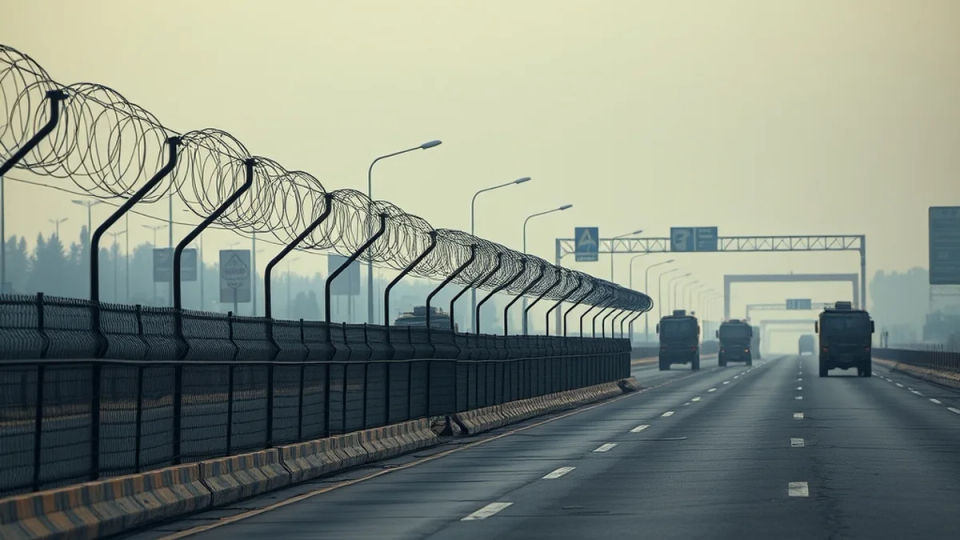
Pakistan President Asif Ali Zardari has declared a state of emergency across the northwestern province of Khyber Pakhtunkhwa, dissolving the provincial government led by jailed former prime minister Imran Khan's party. The emergency proclamation enables the federal administration to assume comprehensive executive and legislative authority over the restive province. Under the presidential order, Chief Minister Sohail Afridi, cabinet ministers, administrative advisers, and the provincial advocate general were directed to vacate their offices immediately. The federal intervention comes amidst an escalating political showdown as Afridi led mass protest marches demanding medical access and release for Imran Khan.
Under Pakistan's constitutional jurisprudence, emergency proclamations under Article 232 transfer executive authority, while Article 234 governor's rule is subject to parliamentary approval with a statutory six-month limit.
Grounds for Constitutional Machinery Breakdown
The official presidential declaration emphasized that the frequency and intensity of insurgent strikes pose existential threats to civilian lives and state property. Federal authorities cited repeated attacks targeting government facilities, strategic transport infrastructure, and provincial law enforcement posts. The decree accused the provincial administration of demonstrating insufficient resolve in neutralizing militant factions operating across the regional borderlands. Prior to his removal, Afridi pledged to sustain peaceful political mobilization while rejecting military operations as a sustainable governance solution.
Balochistan experienced 254 militant attacks in 2025, resulting in 419 deaths and injuries to 607 others.
Police Defiance and Personnel Absences
Following the imposition of emergency and governor rule, severe institutional disobedience surfaced within the provincial police department. Nearly 4,000 police personnel across the province failed to return to their assigned operational stations after authorized leave periods expired. According to the authorities, exactly 3,986 personnel had not resumed duty as required across regional police offices. The directive warned that widespread absenteeism raised serious concerns regarding compliance with the Khyber Pakhtunkhwa Police Act of 2017.
Military Mobilization and Disciplinary Enforcement
Faced with widespread police absenteeism and political tension, the federal government sanctioned the deployment of Pakistan Army military units. Military troops and logistical resources were deployed to assist the civil administration in securing vital government installations and urban corridors. Police leadership instructed district supervisors to enforce strict disciplinary provisions, warning that unauthorized withdrawal will trigger departmental prosecution. According to the directive, leave is to be granted only on extreme compassionate grounds, while officers deserting duty face departmental proceedings.
At least 2,000 shipping containers were used to wall off parts of Islamabad, with some welded together and fitted with outward-facing spikes.
Political Impasse and Opposition Standoff
The emergency declaration dissolved Pakistan Tehreek-e-Insaf's last provincial governing stronghold, escalating federal-provincial confrontation. Afridi's protest rally, which originated in Lakki Marwat on October 4, had crossed multiple districts with the intention of staging a prolonged sit-in in Islamabad. Federal interior authorities barred the marchers from crossing into the capital, enforcing security perimeters around the federal enclave. The direct takeover of Khyber Pakhtunkhwa deepens Pakistan's constitutional uncertainty as federal authorities grapple with institutional resistance and widespread regional dissent.