
Over 1,200 Arrested in France as Violent Cost-of-Living Riots Erupt
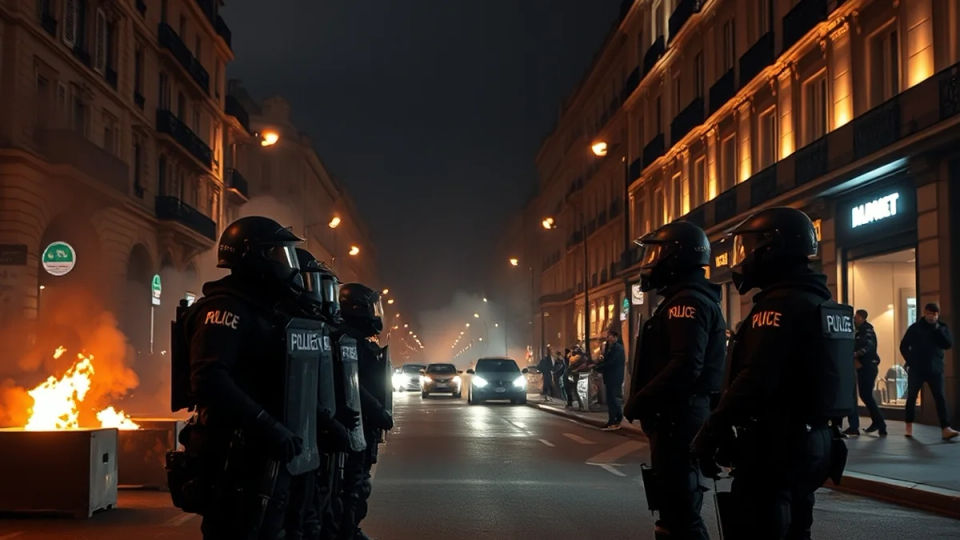
Widespread unrest and civil disorder erupted across multiple French cities on Saturday during nationwide demonstrations protesting educational hardship and the escalating cost of living. Law enforcement authorities detained at least 1,200 individuals as the French government documented an acute escalation in violence while an estimated 550,000 demonstrators took to public streets. The nationwide mobilization followed consecutive weeks of student demonstrations against institutional underfunding, drawing broader participation from labor unions and yellow vest grassroots activists.
Saturday's demonstrations drew direct precedent from calls to revive the gilets jaunes movement, which emerged in 2018 against social injustice and previously disrupted Emmanuel Macron's presidency.
The CGT union estimated turnout at 800,000 participants.
Clashes Across Paris and Capital Security Deployments
In central Paris, peaceful daytime processions deteriorated into severe nighttime confrontations as tactical riot units deployed tear gas canisters and pressurized water cannons against stone-throwing crowds. Radical demonstrator contingents erected barricades, torched civilian motor vehicles, and ignited street fires in prominent public squares including Place de la Republique. Commercial retailers reported extensive looting and broken display windows across central shopping boulevards throughout the capital as security cordons struggled to contain roving groups.
In protests partly inspired by France, several hundred people protested in Brussels against rising education costs, tens of thousands marched in Lisbon against housing and living costs, and a march in Milan degenerated into disorder as police cleared the central cathedral square with tear gas.
Arson Attacks, Town Hall Destruction, and Provincial Damage
Public buildings and civic infrastructure suffered severe structural destruction across numerous provincial urban centers beyond the capital region. In the central city of Limoges, masked demonstrators set fire to the historic 140-year-old municipal town hall, causing the building's roof to partially collapse. Local authorities reported that hostile groups obstructed emergency fire crews from reaching the burning municipal structure during initial firefighting operations. Widespread physical vandalism and commercial property damage were recorded across regional municipalities including Grenoble, Avignon, Pau, Montpellier, and Valence.
Commercial Looting and Retail Disruption Nationwide
Coordinated looting swept commercial districts across France, targeting electronics storefronts, supermarkets, and luxury fashion retailers in nine major metropolitan centers. Dozens of retail establishments were pillaged in Paris, Marseille, Nice, Nantes, Bordeaux, Limoges, Lille, Toulouse, and Strasbourg as crowds overwhelmed local commercial security.
Political Repercussions and Pre-Election Polarization
Prime Minister Lecornu condemned the rioting as violence of extreme intensity, warning that extremist elements were exploiting public economic anxieties as a warm-up for the upcoming presidential election. The political fallout arrives at a volatile juncture as President Emmanuel Macron prepares to conclude his second term ahead of highly contested presidential balloting scheduled for next spring. Government leaders reiterated that democratic institutions will not allow violent factions to impose political demands through intimidation and urban destruction.