
Nvidia Halts AI Server Shipments to Four Southeast Asian Nations
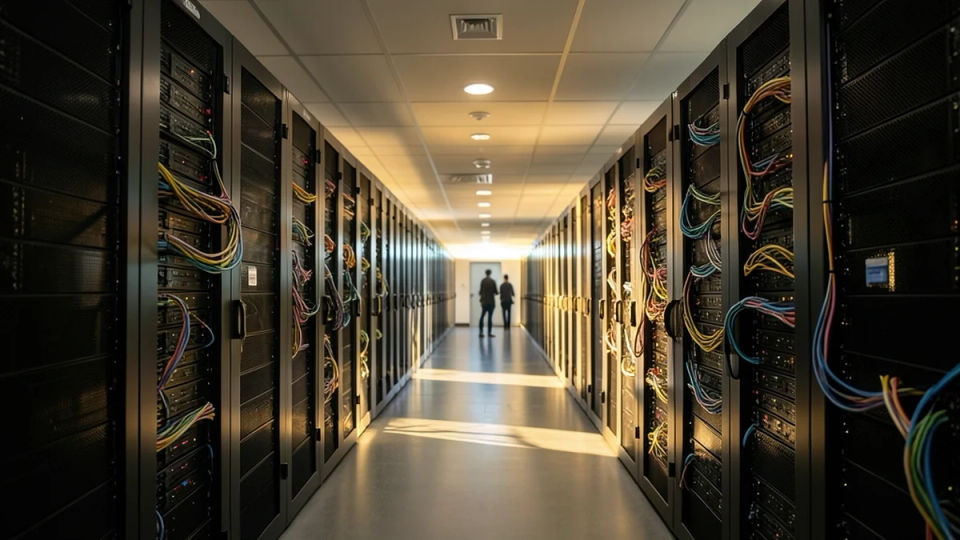
Nvidia has instructed manufacturing partners including Dell and Supermicro to halt shipments of AI chip servers to buyers in Malaysia, Singapore, Thailand, and Indonesia, the Financial Times reported on Thursday, November 26, according to The Hindu, NDTV, and Engadget. Citing three people familiar with the matter, the Financial Times reported it was unclear whether the suspension was temporary as companies navigate new US export rules that took effect last week.
US Export Loophole Closure, Megaspeed, and CEO Scandal
Washington published rules on November 19 requiring export licences for advanced AI chip shipments and giving data centres already supplying large compute to China-based firms 90 days to apply, aiming to stop Chinese AI labs from renting Nvidia hardware via third-country clouds, Engadget and The Hindu reported. A cloud executive said that lacking execution guidance while the 90-day clock runs has caused "sheer chaos" across the region, with affected buyers including Singapore cloud firm Aolani, which planned to lease Nvidia hardware to TikTok owner ByteDance, the Financial Times reported, according to The Hindu and Engadget. On Wednesday, the US Commerce Department also placed Singapore-based Nvidia partner Megaspeed on its Entity List alongside a Justice Department export-control probe, days after Nvidia CEO Jensen Huang resigned on November 12 over an affair with former Megaspeed executive Alice Huang, suspected by some US officials of spying for Beijing, before being reinstated on November 22 or 23, Engadget, The Hindu, and NDTV reported. Bankers who had agreed to finance Singapore cloud provider Aolani's project stopped issuing credit worth about $500 million following the shipment disruption, leaving ByteDance potentially dropping the deal, according to CNA. Since mid-2025, the U.S. Department of Justice brought a series of criminal cases alleging advanced GPUs were routed to China through Singapore, Malaysia, and Thailand, consistent with the November 2026 country-level licensing, according to Gibson Dunn. Nvidia CEO Jensen Huang is scheduled to testify publicly before the Senate Banking Committee on December 3, 2026, at a hearing on U.S. export-control oversight, according to the American Institute of Physics. S&P Global Ratings moved Nvidia's AA issuer credit and senior unsecured debt ratings to CreditWatch Negative on November 25, 2026, according to Beinsure.
Southeast Asia Data-Centre Revenue and Growth
Engadget reported that the chipmaker recorded $104 billion in 2025 revenue via its Singapore unit, a 72 percent jump from the prior year, while KPMG projected Southeast Asian data-centre capacity to triple from 2025 levels by 2030 on a tenfold surge in AI use, The Hindu reported. NDTV added that Nvidia, Dell, and Supermicro did not immediately respond to comment requests outside regular business hours. The United States has restricted exports of Nvidia's advanced AI chips to China since 2022 over national security concerns, prompting Chinese AI labs to rent compute from Southeast Asian data centres, The Hindu and Engadget reported. Engadget noted that demand from Chinese technology firms helped drive Southeast Asia's data-centre construction boom, while The Hindu added that AFP contacted Nvidia, Dell, Supermicro, Aolani, and ByteDance for comment. In April 2025, a U.S. Commerce Department license requirement on Nvidia's H20 chips resulted in a $4.5 billion charge for excess inventory and purchase obligations and $2.5 billion in unshipped revenue in Q1 FY2026, according to GPU Smith. Malaysia has required domestic permits to export, transship, or move U.S.-made high-performance AI chips since July 2025, according to Certified Strategic.