New York City has released 170,000 pages of previously undisclosed government documents showing that local officials anticipated thousands of lawsuits and deliberately downplayed toxic air dangers following the September 11, 2001 terrorist attacks. The document dump, published just days before the 25th anniversary of the disaster, validates long-running suspicions that residents, workers, and first responders were prematurely urged to return to Lower Manhattan while hazardous materials blanketed the area.
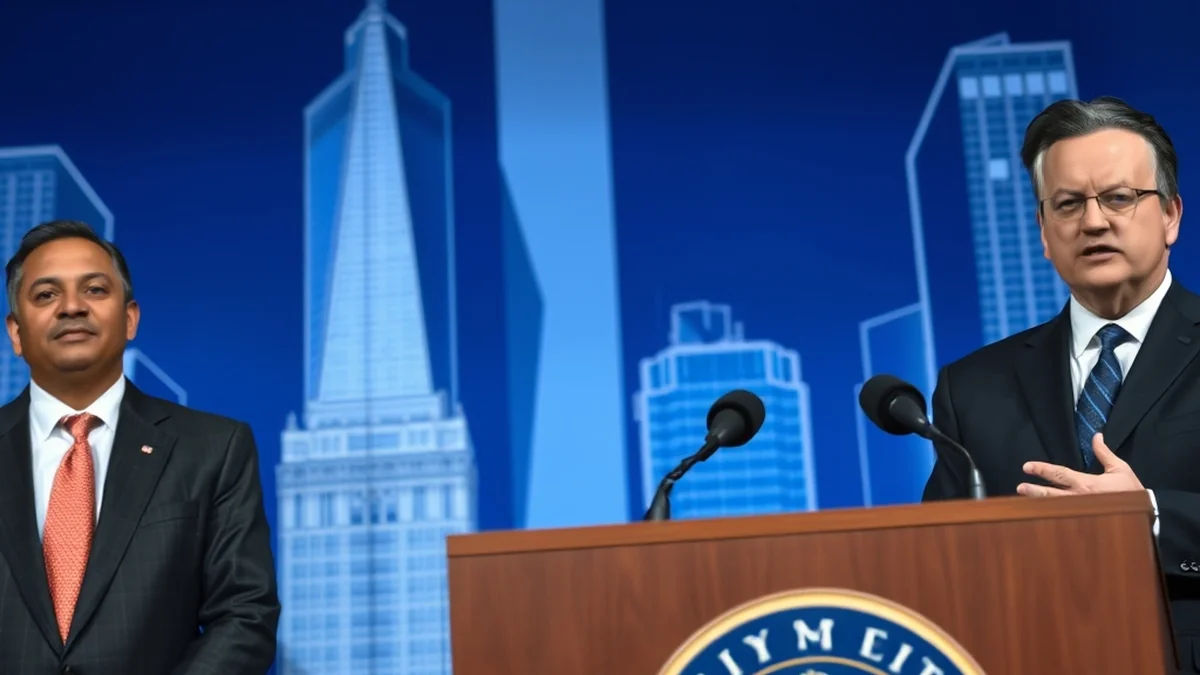
Speaking at a City Hall news conference alongside survivors and victims' advocates, Mayor Zohran Mamdani stated that the newly public records establish how successive municipal administrations concealed internal warnings regarding severe environmental contamination. The disclosure stems from a multi-year legal challenge brought by the advocacy group 9/11 Health Watch, which fought to unseal records detailing what city leaders knew about the toxic cloud generated by the collapse of the World Trade Center's Twin Towers.
The Harding Memo and Expected Legal Liability
The newly unsealed archive contains internal correspondence from October 2001 sent to then-Deputy Mayor Robert Harding, outlining the municipal government's massive potential legal exposure. Designated as the Harding Memo, the document reveals that city attorneys and aides anticipated as many as 10,000 to 35,000 lawsuits from individuals subjected to toxic exposure, hazardous pollutants, and faulty safety directives.
To mitigate financial and legal repercussions, the memorandum detailed strategies for capping the city's liability, including lobbying Congress to establish a federal victims' compensation fund and requesting indemnification from the United States government. Steven Banks, New York City's chief counsel, noted that the files directly address internal strategy sessions concerning public health risks and legal exposure during Rudy Giuliani's mayoral administration.
Asbestos Warnings and Flawed Cleanup Directives
Additional files document the widespread presence of asbestos and other carcinogenic particulate matter across Lower Manhattan and western Brooklyn for months after the towers collapsed. A memo from February 2002 highlights internal anxieties that public statements from US Representative Jerry Nadler regarding unacceptably high asbestos levels would trigger a barrage of lawsuits and public relations crises.
Ester Fuchs, a former special adviser to Mayor Rudy Giuliani, acknowledged in the correspondence that asbestos was present in dust samples across numerous downtown buildings. The internal communications criticized earlier municipal guidance instructing residents to clean contaminated living spaces with wet mops and rags rather than mandating professional hazardous material remediation. Asbestos exposure is directly linked to severe pulmonary scarring and mesothelioma.
Decades of Public Reassurance Versus Internal Knowledge
For 25 years, four successive mayoral administrations maintained that air quality around Ground Zero was safe and acceptable, even as internal communications mapped the dangers. Benjamin Chevat, executive director of 9/11 Health Watch, emphasized that city leadership actively maintained public safety assurances while possessing contrary scientific evaluations.
Comedian and 9/11 survivor advocate Jon Stewart joined Mayor Mamdani at the release, criticizing the quarter-century delay in transparency. Stewart noted that while the disclosures cannot alter past tragedies, they confirm what downtown residents and emergency workers experienced firsthand. Former Environmental Protection Agency administrator Christine Todd Whitman had previously apologized for early federal assurances, stating her agency acted with the knowledge available at the time.
Health Toll and Future Document Releases
The World Trade Center Health Program reports that nearly 4,343 people have died from illnesses related to the attacks in the decades since 2001, surpassing the 2,753 individuals who perished on-site during the attacks. The Centers for Disease Control and Prevention estimates that approximately 400,000 individuals were exposed to toxic contaminants and hazardous environmental conditions.
City officials have confirmed that the initial release of 170,000 pages represents only a fraction of the archived material discovered in 68 boxes last year. Additional waves of documents will be published through an online portal over the course of the next twelve months, potentially shedding further light on decision-making under former mayors Giuliani and Michael Bloomberg.