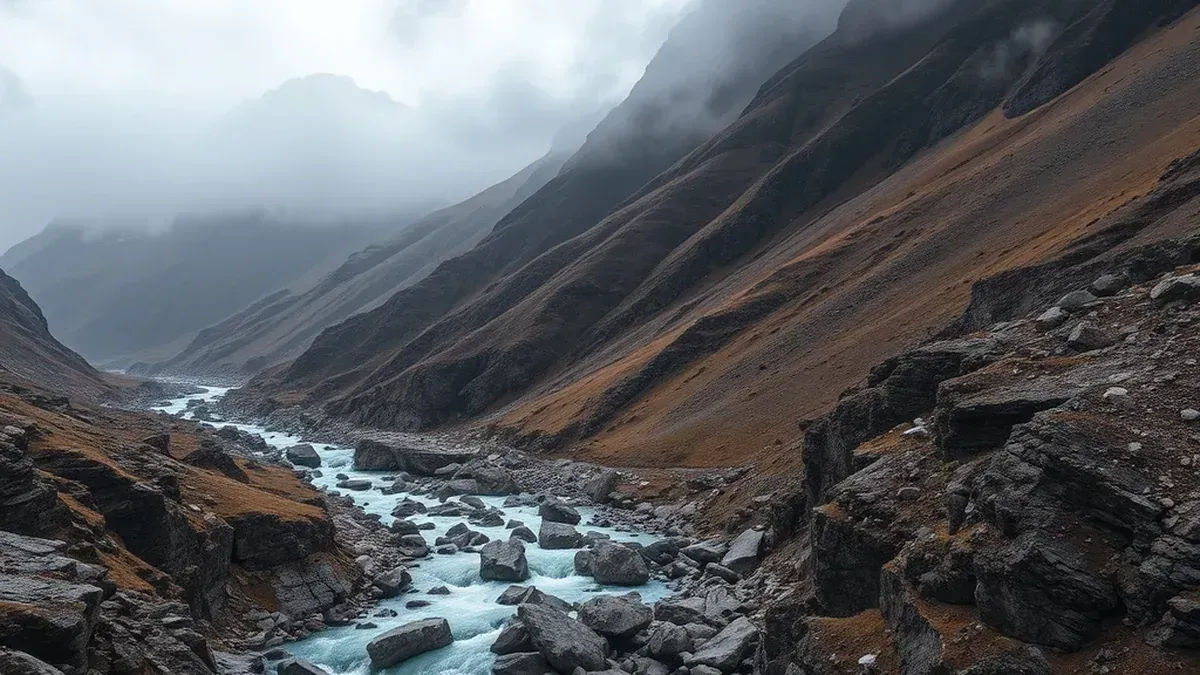
Nepal observed a national day of mourning on Monday, September 7, 2026, marking the 13th day since a catastrophic ice-rock avalanche triggered devastating flash floods in the Rasuwa region and surrounding districts. The somber observance, which aligns with traditional Hindu customs for marking the thirteenth day following a death, comes as the nation grapples with one of the most severe natural disasters in its recent history. The tragedy, which began on August 26, has left a trail of destruction across northern and central Nepal, overwhelming local infrastructure and prompting an extensive, ongoing search and rescue operation.
As of Monday, the National Disaster Risk Reduction and Management Authority (NDRRMA) confirmed that the death toll has risen to 1,355. While recovery teams continue to navigate the challenging Himalayan terrain, the scale of the disaster remains immense, with nearly 5,000 individuals still unaccounted for. The government-led response has been focused on both the recovery of victims and the ongoing search for survivors, as the nation attempts to process the magnitude of the loss in the wake of the initial geological event.
The Scale of the Humanitarian Crisis
The disaster, which originated from an ice-rock avalanche in the high Himalayas, caused immediate and widespread destruction across the Rasuwa district and its neighboring areas. The force of the resulting flash floods and subsequent mudslides obliterated homes, roads, and critical infrastructure, leaving thousands of residents displaced and vulnerable. The sheer volume of debris and the rugged, high-altitude geography have significantly hampered rescue efforts, forcing teams to operate under extremely difficult conditions as they search for those still missing.
According to the latest data from the NDRRMA, the number of missing persons stands at 4,996. Among those who have not yet been located are at least 589 foreign nationals, highlighting the international dimension of the tragedy. While 13,396 people have been successfully rescued since the onset of the floods, the high number of missing individuals suggests that the final death toll may continue to climb as search operations progress through the debris-strewn landscape of the affected districts.
National Mourning and Cultural Observance
The decision to hold a national day of mourning on the 13th day following the disaster reflects the deep cultural significance of the timing in Nepal. In accordance with traditional Hindu practices, the 13th day is a period dedicated to honoring the deceased and providing a collective space for families and the nation to grieve. Across the country, citizens gathered for vigils, including a notable ceremony at Kathmandu Durbar Square, where candles were lit in memory of the victims.
The government’s formal recognition of this day serves as a unifying moment for a nation struggling to cope with the scale of the catastrophe. By aligning the official mourning period with these traditional customs, authorities have sought to provide a structured environment for the public to express their sorrow. This period of reflection is occurring simultaneously with the continued, grueling work of recovery teams, creating a stark contrast between the national atmosphere of grief and the urgent, ongoing operational requirements on the ground.
Ongoing Search and Rescue Operations
Despite the passage of nearly two weeks since the initial avalanche, rescue teams remain fully deployed in the affected regions. The NDRRMA continues to coordinate the multi-agency response, which involves local authorities, security forces, and specialized disaster management units. The primary challenge remains the accessibility of the most severely impacted areas, where mudslides and floodwaters have rendered many routes impassable, necessitating the use of specialized equipment and, in some cases, aerial support to reach isolated communities.
Authorities have emphasized that the search for the 4,996 missing persons remains the top priority. The recovery of additional bodies in the days leading up to the national mourning period has contributed to the steady rise in the confirmed death toll. As the search continues, the focus remains on clearing debris and conducting systematic sweeps of the riverbanks and valleys where the impact of the flash floods was most severe. The government has not yet provided a definitive timeline for when the active search phase might transition into a recovery-only operation.
International and Domestic Implications
The presence of 589 foreign nationals among the missing has drawn significant international attention to the disaster. Embassies and consular offices are working closely with the Nepali government to track the status of their citizens and provide support to affected families. This international involvement adds a layer of complexity to the disaster management process, as authorities must coordinate information sharing and repatriation efforts while simultaneously managing the domestic crisis.
Domestically, the disaster has raised urgent questions regarding the vulnerability of northern and central Nepal to climate-related geological events. The combination of high-altitude ice-rock avalanches and subsequent flooding has highlighted the need for improved early warning systems and more robust disaster preparedness infrastructure in the Himalayan region. While the immediate focus remains on the humanitarian response, there is an emerging consensus that the long-term recovery will require a comprehensive assessment of the environmental risks that led to this tragedy and the development of strategies to mitigate such risks in the future.
Future Milestones and Unresolved Questions
As the nation moves past the 13th-day mourning period, the focus will likely shift toward the long-term recovery and rehabilitation of the affected districts. The government faces the daunting task of rebuilding critical infrastructure and providing support to thousands of displaced families who have lost their homes and livelihoods. The economic impact of the disaster, particularly on the tourism and agricultural sectors in the Rasuwa region, is expected to be substantial, though a full assessment remains pending.
Unresolved questions persist regarding the exact number of casualties, given the high number of missing persons and the difficulty of the terrain. The government’s ability to sustain the current level of rescue and recovery operations will be tested in the coming weeks as the initial urgency of the disaster begins to wane. Future milestones will include the publication of detailed damage reports, the establishment of long-term aid packages for survivors, and a potential review of national disaster management policies to better address the threat of Himalayan geological instability.