The death toll from catastrophic flash floods and mudslides across northern and central Nepal climbed to 1,377 on Thursday as emergency recovery teams pulled additional bodies from heavily impacted districts. Authorities confirmed that rescue operations remain active for more than 5,000 individuals still listed as missing following the late-August disaster.
The ongoing disaster response involves joint security commands deploying personnel across multiple river valleys and landslide zones. While 13,656 survivors have been successfully evacuated from isolated zones, officials indicate that recovery efforts face severe logistical hurdles due to damaged transport links and unstable terrain.
District Casualties and Regional Toll
Official data released by the National Disaster Risk Reduction and Management Authority details severe geographic concentration in the casualty figures across several affected administrative districts. Chitwan district recorded the highest fatality count with at least 364 bodies recovered from debris and riverbanks.
Additional fatalities span across Nawalparasi East with 228 deaths, Nawalparasi West with 222 deaths, and Nuwakot reporting 198 victims. Rescuers operating in Rasuwa recovered 178 bodies, while Gorkha, Dhading, and Tanahu districts confirmed 77, 70, and 38 fatalities respectively. Furthermore, two flood victims succumbed to their injuries while receiving medical treatment in Kathmandu.
Avalanche Trigger and Transboundary Impact
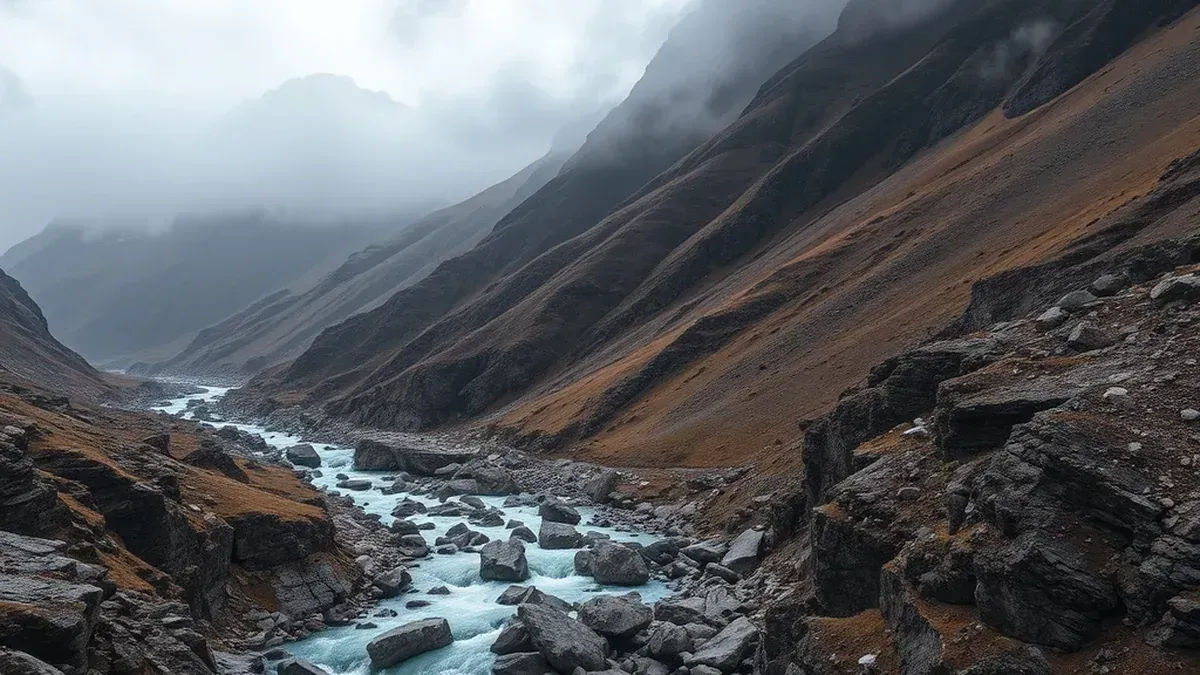
The catastrophic flooding originated from an ice-rock avalanche near the Nepal-Tibet border on August 26, which abruptly unleashed massive volumes of water and debris into high-altitude river systems. The Bhotekoshi River channeled the destructive surge southward through Himalayan gorges, sweeping away homes, vehicles, roads, and bridges while heavily damaging local hydropower infrastructure.
The transboundary nature of the disaster also caused severe damage on the northern side of the Himalayan frontier. Chinese media reports cited by disaster authorities indicate that at least 43 people died in Tibet, where more than 500 individuals remain missing following the initial avalanche and subsequent flash floods.
Rescue Operations and Logistics
A joint command comprising military and civilian security personnel continues comprehensive search sweeps along downstream river corridors and buried settlements. Operations focus heavily on locating the estimated 5,130 missing persons whose whereabouts remain unconfirmed since the late-August deluge.
Helicopters and ground teams have prioritized remote mountain villages cut off by washed-out suspension bridges and blocked roadways. Despite continuous efforts by emergency responders, thick layers of mud and silt across the hardest-hit valleys continue to slow the deployment of heavy excavation machinery.
Infrastructure and Economic Aftermath
The destruction of multiple hydropower installations along Himalayan river channels has dealt a severe blow to regional energy generation and local commerce. Transport arteries connecting northern trade routes to central valleys remain heavily disrupted, isolating rural communities and complicating the delivery of relief supplies.
Economic assessments from provincial authorities suggest that rebuilding damaged public utilities, bridges, and washed-out roadways will require extensive federal intervention. Local administrative bodies are currently documenting structural losses while maintaining temporary relief camps for displaced residents.
Ongoing Relief Operations
Joint security forces and disaster management authorities will maintain deployment across affected river basins until all missing persons are accounted for or search parameters are exhausted. Relief distribution centers remain operational in Kathmandu and regional hubs to assist evacuees housed in temporary shelters.