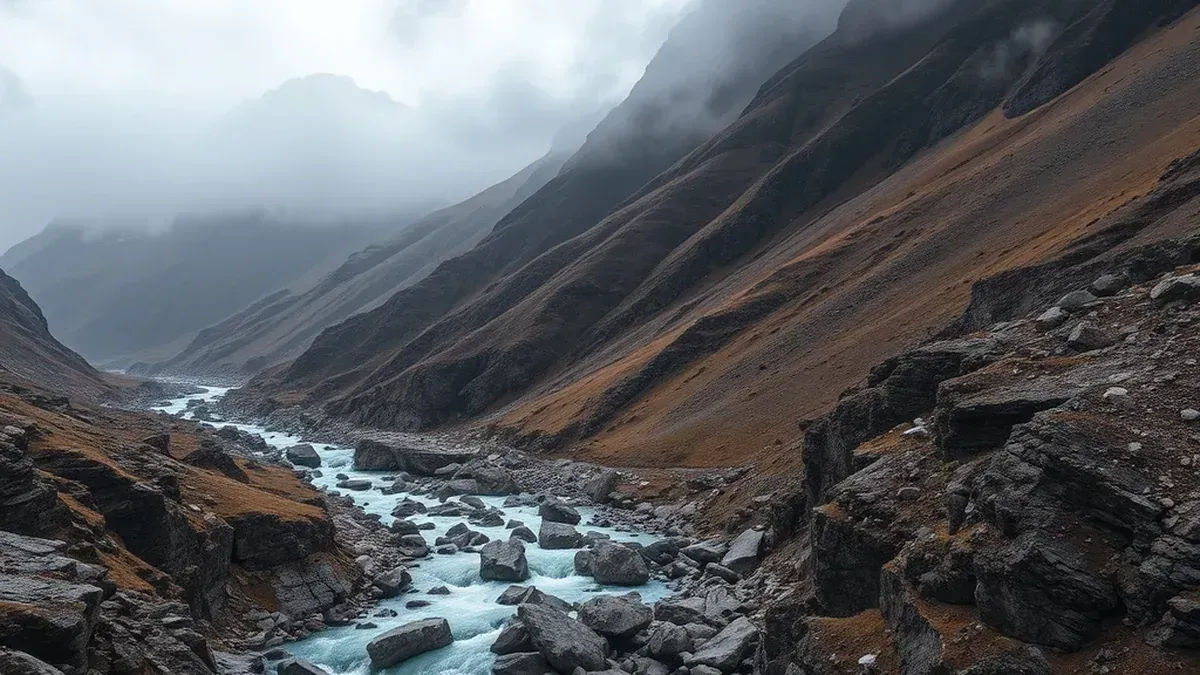
Eight days after a catastrophic glacial collapse triggered massive flash floods along the Nepal-Tibet border, the death toll has climbed to at least 1,200 people. Thousands remain missing as rescue teams struggle to navigate terrain transformed into a landscape of mud, silt, and debris. The disaster, which swept through villages and critical infrastructure, has left authorities in a race against time to locate survivors potentially trapped in tunnels along the Trishuli River.
Nepal, a nation already identified as highly vulnerable to the climate crisis despite its minimal contribution to global greenhouse gas emissions, now faces a monumental recovery challenge. Government officials have indicated that the scale of destruction will require billions of dollars in international funding to rebuild the devastated regions. As the search continues, the focus has shifted toward the grim reality of identifying victims in the worst-hit areas, where the condition of remains has necessitated the use of DNA testing.
Forensic Challenges in the Disaster Zone
In the town of Timure, which bore the brunt of the flooding, the recovery process has become increasingly complex. Forensic teams are currently working to identify victims whose bodies were found dismembered or decomposed after being swept away by the torrents. The severity of the destruction has stripped many victims of clothing and identification, forcing authorities to rely on DNA analysis to provide closure to grieving families.
This forensic effort is taking place amidst a landscape that has been completely altered by the floodwaters. Rescuers are utilizing specialized equipment, including rafts and drones, to search through the thick layers of mud and silt that have buried entire villages. The emotional toll on the rescue workers, who are balancing the need for professional precision with the trauma of the scene, remains a significant challenge as they continue to comb through the wreckage.
The Search for Survivors in Tunnel Networks
One of the most critical aspects of the ongoing rescue operation involves searching tunnels along the Trishuli River. Authorities believe that a number of individuals may still be trapped inside these structures, which were inundated by the sudden surge of water and debris. Rescuers are working in hazardous conditions, with heavy rain frequently turning roads into impassable mud tracks, further complicating the delivery of aid and the movement of heavy machinery.
Despite the overwhelming devastation, there have been isolated reports of survivors being pulled from the debris, including a 97-year-old woman who was rescued by teams operating in the area. These rare successes provide a small glimmer of hope, though the overall situation remains dire. The search efforts are being conducted on both sides of the Nepal-Tibet border, reflecting the cross-border nature of the environmental catastrophe.
Economic and Infrastructure Devastation
Beyond the immediate loss of life, the flash floods have caused catastrophic damage to Nepal’s infrastructure. Roads, bridges, and essential services have been wiped out, leaving many communities isolated and without access to basic supplies. The government’s assessment that billions of dollars will be required for reconstruction highlights the long-term economic impact of this disaster on a country that was already struggling with development challenges.
Reports indicate that relief vehicles have been frequently trapped by the deteriorating road conditions, hindering the distribution of food, water, and medical supplies to survivors. The destruction of the local economy, particularly in areas that relied on tourism and agriculture, has left thousands of people displaced and without livelihoods. The international community is now being looked to for support as Nepal attempts to navigate the early stages of a recovery process that will likely span years.
Climate Vulnerability and Scientific Uncertainty
While scientists are still working to determine the exact cause of the glacial collapse that triggered the floods, the event has underscored Nepal’s extreme vulnerability to climate-related disasters. The rapid melting of Himalayan glaciers and the formation of barrier lakes have been identified as significant risks, with experts warning that such events could become more frequent. The fear of new barrier lakes forming and causing subsequent floods remains a primary concern for those monitoring the region.
This disaster has also brought attention to the flow of information during crises. Reports have emerged suggesting that authorities in neighboring China have censored videos and information regarding the floods on the Nepal-Tibet border, making it difficult for families and international observers to track the full scale of the event. As Nepal grapples with the aftermath, the need for better early warning systems and climate adaptation strategies has become a central point of discussion among policymakers and international aid organizations.