
Kim Jong Un Vows Nuclear Expansion After Ignoring Trump Overture
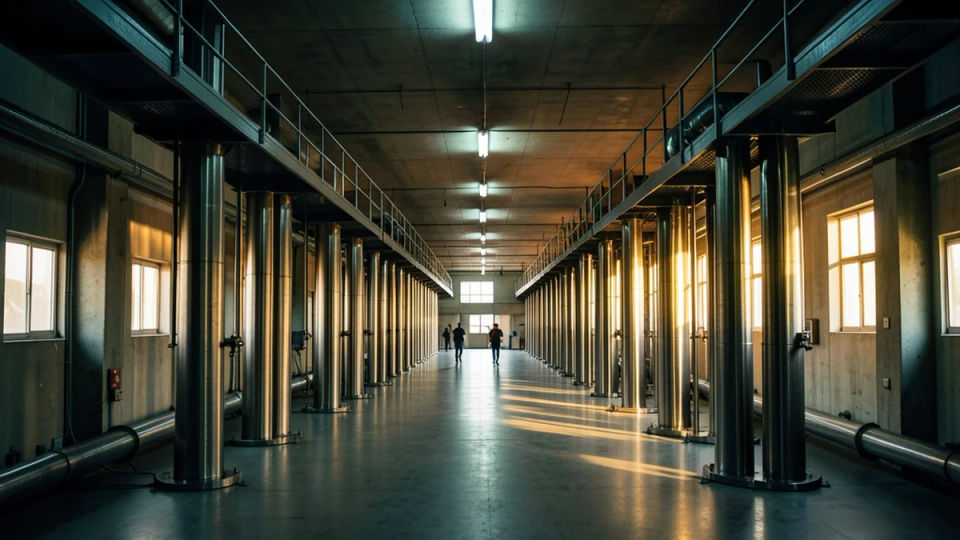
North Korean leader Kim Jong Un inspected two nuclear materials production factories on Wednesday, November 25, and called for expanding the country's nuclear arsenal days after ignoring US President Donald Trump's latest offer to meet, state media reported on Thursday, according to The Hindu, NDTV, and The Times of India. The official Korean Central News Agency said one facility was newly inaugurated and the other was being expanded, releasing blurred images of Kim walking past rows of apparent uranium-enrichment centrifuges and displays of nuclear warheads, alongside visits to a nuclear-powered equipment base and a nuclear research institute.
Warhead Designs and Enrichment Estimates
Pyongyang did not disclose the locations of the inspected facilities, though outside experts previously assessed a uranium enrichment site shown in June was likely an additional plant at Yongbyon, where North Korea can produce both highly enriched uranium and plutonium, The Hindu and TOI reported. Carnegie Endowment for International Peace senior fellow Ankit Panda wrote in an analysis cited by NDTV that the KCNA photographs showed metal casings of five distinct warhead designs, including a "super-large" warhead, calling it the greatest number of warhead types seen in a single North Korean image. Panda assessed that Kim is not interested in denuclearisation and instead appears focused on securing a fundamentally new bargain with Washington. Weapons experts cited by NDTV estimated North Korea can now produce 12 to 15 bombs' worth of fissile material annually, up from roughly six during Trump's first term. Last week, International Atomic Energy Agency Director General Rafael Grossi warned that North Korea was expanding its original uranium enrichment facility at Yongbyon, while South Korean Unification Minister Chung Dong-young said last year that four enrichment plants were operating daily, The Hindu and TOI noted.
Satellite imagery collected on April 2, 2026 showed the new suspected uranium enrichment facility at Yongbyon was essentially complete externally, including a probable standby generator, administration/engineering support, and vehicle shed buildings, according to CSIS Beyond Parallel. During the February 2026 Ninth Party Congress, North Korea declared its intention to boost nuclear material production and increase its total weapons stockpile, according to Institute for the Study of War.
Tactical Weapons, US Overtures, and Seoul's Response
KCNA quoted Kim as saying the buildup responds to "variable nuclear threats approaching the Korean Peninsula moment by moment" and accusing Washington of backing South Korea's push for a nuclear-powered submarine and nuclear sharing. Calling North Korea's nuclear buildup an "irreversible reality," Kim urged wider deployment of low-yield battlefield nuclear weapons against South Korea, which he described as "the most dangerous enemy state," The Hindu and TOI reported. Trump had expressed eagerness to meet Kim during last week's APEC summit in China, but Pyongyang made no public response; Trump later told the New York Post it was "not really the right time" during a busy two-day schedule and said he could restart their letter exchanges, The Hindu and TOI noted. Seoul and Washington are coordinating plans to hold the seventh meeting of their Nuclear Consultative Group in Washington in December 2026 to refine their joint response to North Korea's nuclear threats, according to The Korea Herald. Following an October 2025 summit, the United States and South Korea confirmed their cooperation on a South Korean nuclear-powered submarine program, according to Just Security.