
Japan Envisions Northeast India Value Chain via Matarbari Port
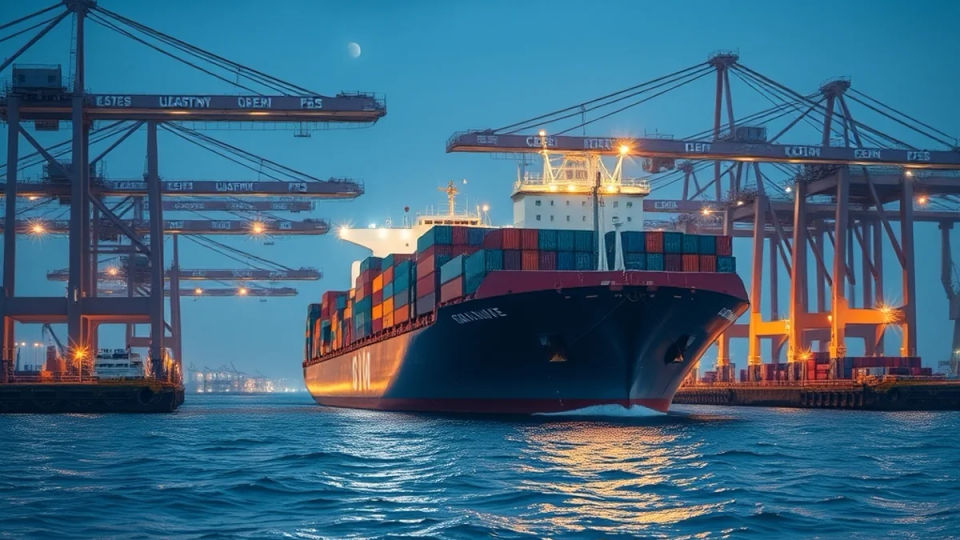
Ahead of Bangladesh Prime Minister Tarique Rahman's scheduled official trip to Tokyo, Japanese policymakers outlined ambitious plans to construct an integrated industrial value chain linking northeast India with maritime routes. Prime Minister Rahman accepted a formal invitation from Japanese Prime Minister Sanae Takaichi to undertake a four-day bilateral visit commencing on October 26. Diplomatic officials in Tokyo envision transforming Chittagong's Matarbari deep-sea terminal into a central multimodal hub connecting landlocked Indian provinces with broader Indo-Pacific trade corridors. The initiative aims to accelerate regional manufacturing growth, maritime logistical security, and cross-border commercial transport throughout the Bay of Bengal basin.
In July 2005, Japanese Prime Minister Junichiro Koizumi and Bangladeshi Prime Minister Begum Khaleda Zia held official bilateral talks in Tokyo.
In May 2023, development reports confirmed that JICA extended loans for the development of the Northeast India industrial value chain, according to National University of Singapore.
Diplomatic Summit and Tokyo Maritime Strategy
Diplomatic planners emphasized that the high-level visit seeks to translate long-standing diplomatic goodwill into durable, legally binding commercial investment frameworks. Japanese diplomats noted that developing commercial maritime infrastructure across Bangladesh provides Japan with reliable manufacturing supply chains and secure sea lanes. Tokyo considers Bangladesh an indispensable geographic bridge connecting South Asian consumer markets with dynamic manufacturing economies across Southeast Asia.
In February 2026, Japan and Bangladesh advanced the Economic Partnership Agreement.
Matarbari Deep-Sea Port and Value Chain Connectivity
The Japanese government has financed extensive dredging and terminal construction at the Matarbari deep-sea port project situated along the southeastern coastline. Japanese foreign ministry sources informed The Hindu that modernizing Matarbari will convert Bangladesh into an export manufacturing hub and optimize regional cargo transit. The specialized port architecture will enable deep-draft container vessels to berth directly, providing northeastern Indian states like Tripura and Assam with viable maritime access. Regional logistics experts highlight that linking Indian land border checkpoints with Matarbari deep-sea terminals will dramatically reduce oceanic shipping durations for inland industrial producers.
In March 2023, reporting confirmed that the channel built for the Matarbari port is 18.5 meters deep, according to Dhaka Tribune.
Bay of Bengal Industrial Growth Belt Framework
The infrastructure corridor operates under the broader Bay of Bengal Industrial Growth Belt initiative, commonly designated as BIG-B. The comprehensive blueprint coordinates energy generation complexes, highway freight arteries, and deep-water terminal docks into a unified regional economic development zone. Bilateral cooperation builds upon the comprehensive partnership signed in 2014 and the elevated strategic partnership established between Dhaka and Tokyo in 2023. Policymakers underscored that maintaining bilateral infrastructure continuity across changing political administrations remains critical for investor confidence.
Dhaka Bilateral Engagements and Historical Precedents
Preparing for the upcoming state summit, a senior Japanese economic delegation arrived in Dhaka to hold preliminary technical consultations across key ministries. Prime Minister's Political Adviser Zahir Uddin Swapon conducted bilateral discussions with the visiting Tokyo delegation at the Prime Minister's Office. Adviser Swapon expressed high optimism that Prime Minister Rahman's state visit will elevate commercial and diplomatic relations to unprecedented historical heights.